
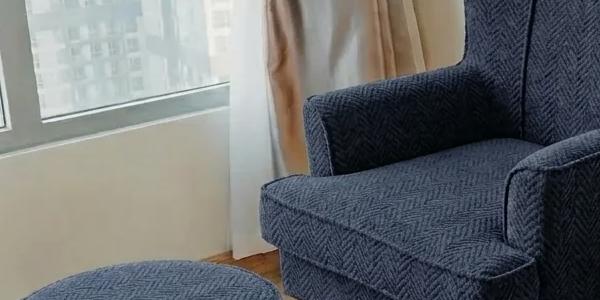
If you've got a bin of upholstery fabric scraps sitting in the sewing room, fall closet season is the perfect excuse to put them to work. Sewing storage bins from upholstery fabric scraps gives you sturdier, better-looking organizers than anything you'll find in the canvas cube aisle, and it costs you nothing but time since you're using leftover yardage. The secret is in the fiber, not the pattern. Fabric rated at 30,000 double rubs or higher on the Wyzenbeek abrasion test holds a boxy shape on its own, no cardboard insert or spray stiffener required, because that kind of dense, tightly woven cloth was engineered to survive years of people sitting on it.
Why Upholstery Fabric Beats Canvas for Storage Bins
Canvas storage cubes are cheap and popular, but most duck cloth canvas only tests around 3,000 to 9,000 double rubs on the same Wyzenbeek scale. That's fine for a tote bag. It's not fine for a bin that's going to get stuffed with winter boots, dog toys, and mudroom mittens for months at a time. Within a season, the walls start to bow inward and the corners round off.
Upholstery-grade fabric, especially anything originally cut for sofas or dining chairs, is built to a different standard entirely. A remnant of heavy chenille or woven jacquard has the body weight and abrasion resistance to stay square, resist claw marks from the family dog, and wipe clean when a muddy boot brushes against it. Honestly, using scraps this way feels like giving your fabric stash a second career instead of letting it collect dust.
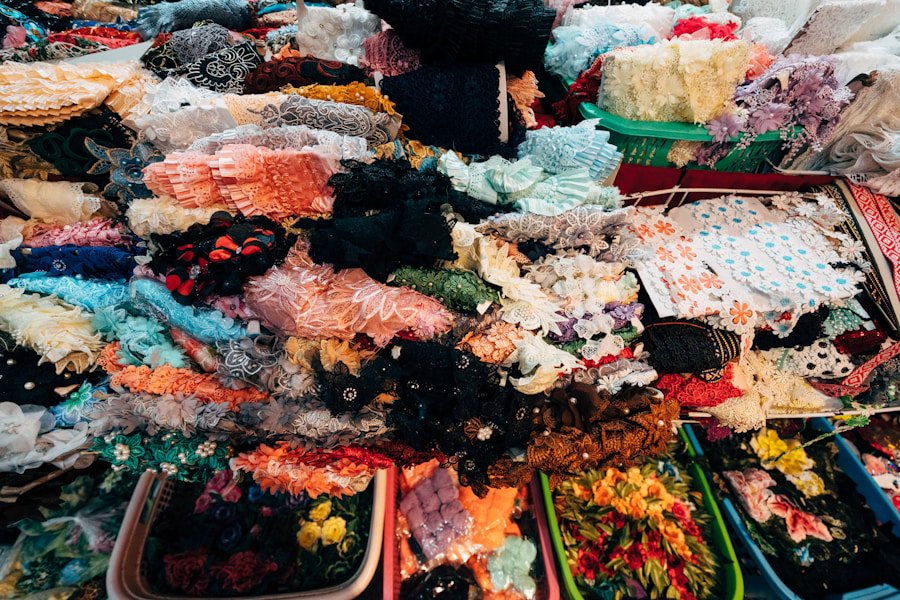
Photo by Markus Winkler on Unsplash
What Fabric Weight Works Best for Rigid vs Collapsible Bins?
Mid-weight upholstery fabric between 12 and 16 ounces per linear yard, like chenille or woven textures, makes the best collapsible bins because it folds flat when empty but firms up once loaded. Heavier vinyl, faux leather, or dense jacquard above 18 ounces is better suited to rigid bins that keep their box shape all the time, empty or full.
Here's the breakdown we'd give any homeowner sorting through a remnant pile:
- Collapsible bins: chenille upholstery fabric or woven textures with a soft hand, easy to fold flat for off-season storage of the bin itself.
- Rigid bins: vinyl, faux leather, or heavy jacquard that's stiff enough to stand at attention without a fabric stiffener spray.
- High-traffic mudroom bins: anything rated above 30,000 double rubs, since it'll face muddy shoes and wet umbrellas daily.
- Closet organizers for linens or off-season clothes: lighter chenille or corduroy remnants work fine since abrasion is minimal.
Solution-dyed acrylic and performance-treated chenille are especially good picks for mudrooms because the color is woven through the fiber, not just printed on top, so scuffs and light stains don't show white fiber underneath.
Step-by-Step Instructions
- Sort your scraps by weight. Separate remnants into "heavy" (upholstery-grade chenille, jacquard, vinyl) and "medium" (lighter cottons or linens). Save the heavy pieces for the bin body and use lighter scraps for lining.
- Cut your base and side panels. Measure your desired bin size, then cut one base rectangle and four side panels, adding a half-inch seam allowance on every edge. A 12x12x12 inch bin uses roughly a half yard of fabric.
- Fuse interfacing to the base. Iron a layer of heavyweight fusible interfacing to the wrong side of the base panel. This is the step that keeps a collapsible bin from sagging at the bottom even with 30,000 double rub fabric.
- Sew the side seams with a double stitch line. Join the four side panels into a loop, then stitch each seam twice, about a quarter inch apart. This bar-tacking approach is what upholsterers use on cushion boxing, and it stops corners from blowing out under weight.
- Attach the base with boxed corners. Pin the base to the bottom of the side loop, matching corners exactly, and sew a boxed corner seam at each of the four points. This is what gives the bin its structure without any wire or cardboard insert.
- Reinforce the top edge with bias binding. Bind the raw top edge in a coordinating remnant or twill tape so it doesn't fray from repeated folding and handling.
- Add handles for easy lifting. Cut two fabric strips, fold and stitch them into straps, then attach to opposite sides with a box-and-X stitch pattern for extra pull strength.
- Line the interior if using a loosely woven fabric. A plain cotton or muslin lining keeps loose fibers from shedding onto stored linens or shoes.
- Steam and shape before first use. A quick pass with a garment steamer helps heavy chenille or jacquard relax into its boxed shape without any spray stiffener.

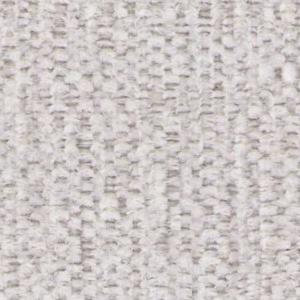
Do You Need Fabric Stiffener for No-Sag Storage Bins?
No, not if you choose fabric rated at 30,000 double rubs or higher, since the dense weave and fiber density that make it resist sofa wear also make it structurally stiff enough to hold a boxed shape on its own. Fabric stiffener is really a workaround for using lightweight decorative fabric for a job it wasn't built for.
That's the whole pitch behind using upholstery remnants instead of quilting cotton or canvas. You're borrowing durability that was engineered for a heavier job. A fabric that can survive a family room sofa for ten years isn't going to blink at holding a stack of folded sweaters.
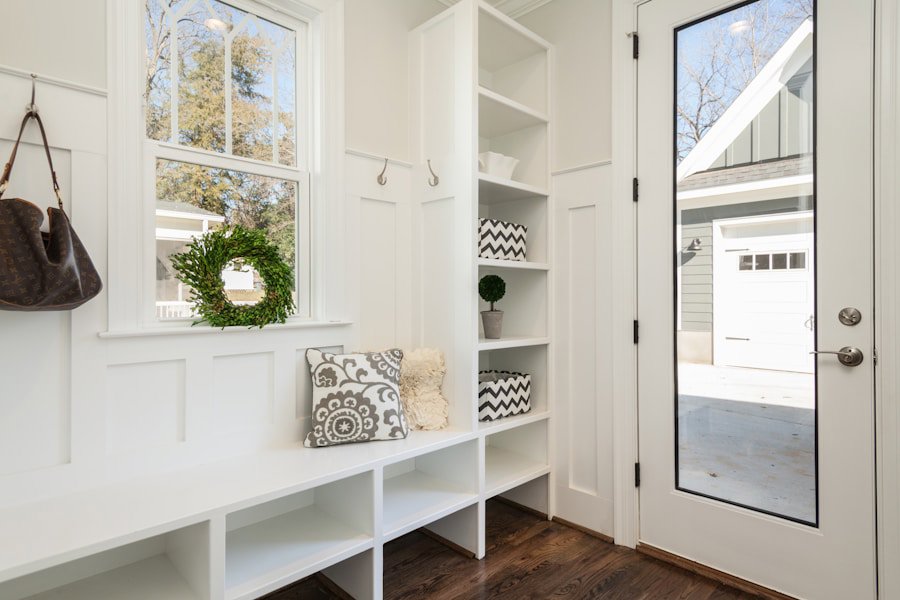
Photo by Douglas Sheppard on Unsplash
Reinforcing Corners and Bases So Bins Don't Sag
Corners are where every DIY storage bin fails first, so don't skip reinforcement even with heavy-duty fabric. Double-stitched boxed corners, a layer of fusible interfacing on the base, and bar-tacked handle attachments are the three details that separate a bin that lasts one season from one that lasts five.
If you're working with a particularly loose weave, like some woven or boucle remnants, add a strip of twill tape along each seam before stitching. It distributes stress across the seam line instead of concentrating it at the stitch holes, which matters a lot once a bin is loaded with heavy winter boots.
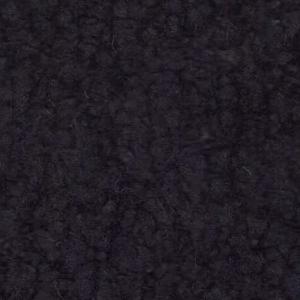
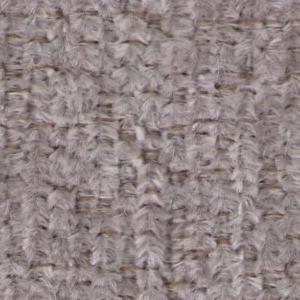
Color and pattern matter for a mudroom too, since these bins live in a high-visibility entry space. A remnant of grey chenille upholstery fabric hides dirt beautifully and pairs with almost any entryway palette, while a brown upholstery fabric remnant leans warm and rustic for a farmhouse-style mudroom. If you want something with a bit more texture interest for a closet shelf, a woven upholstery fabric remnant adds visual depth without sacrificing durability.
Cleaning and Care for Fabric Storage Bins
Most heavy-duty upholstery remnants can be spot cleaned with a damp cloth and mild soap, and vinyl or faux leather scraps wipe clean in seconds, which matters if you've got kids or pets tracking mud through the mudroom every weekend. Chenille and woven fabrics benefit from a quick vacuum with a brush attachment to lift trapped dust before spot cleaning.
Avoid tossing fabric bins in the washing machine unless the remnant was pre-washed before sewing, since upholstery fabric is often finished with a stain-resistant coating that can break down with repeated laundering.
Tips for Getting the Most from Your Remnants
- Measure your remnants before cutting a pattern. Upholstery scraps are often oddly shaped, so plan your panels around what you actually have rather than forcing a standard size.
- Mix weights strategically. Use a heavier scrap for the base and sides, and a lighter matching scrap for the lining, to stretch your yardage further.
- Watch your pattern repeat if you're piecing multiple scraps together on a patterned remnant, so stripes or motifs line up across seams.
- Label bins with a small fabric tag instead of paint or marker, which can crack on flexible fabric surfaces over time.
Frequently Asked Questions
Q: What double rub count should I look for when sewing storage bins from upholstery fabric?
Look for fabric rated at 30,000 double rubs or higher on the Wyzenbeek abrasion test. This heavy-duty, contract-grade rating gives the fabric enough body to hold a boxed shape without stiffener and enough abrasion resistance to handle daily mudroom or closet use.
Q: Can I use upholstery fabric scraps without a sewing machine?
You can assemble a basic bin with fusible hem tape and fabric glue, but seams under load, like boxed corners and handle attachments, hold up far better with machine stitching. If you're going glue-only, stick to lighter-use closet bins rather than heavy mudroom duty.
Q: Why do canvas storage cubes sag but upholstery fabric bins don't?
Canvas duck cloth typically tests between 3,000 and 9,000 double rubs, well below the density needed for structural rigidity. Upholstery-grade fabric rated 30,000 double rubs and up is woven denser and heavier specifically to survive years of seating wear, which is exactly the strength profile a storage bin needs.