
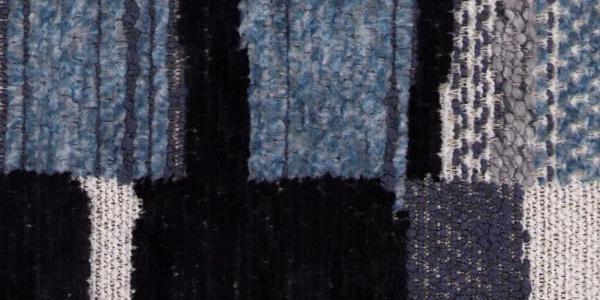
Most pillow sham tutorials assume you're working with thin quilting cotton, and honestly, that's a big reason so many DIY shams look sad after a few months on the couch. Sewing pillow shams with upholstery fabric instead gives you a cover with real body, one that holds its shape, resists sagging, and survives the daily flop-and-fluff routine every decorative pillow deals with. If you've ever wondered why the pillows in a furniture showroom look crisp while your homemade ones go limp by week three, the fabric weight is almost always the answer.
Why Upholstery-Weight Fabric Beats Quilting Cotton for Shams
Upholstery fabric is engineered to survive friction, weight, and constant handling, which is exactly what a sham on a frequently used sofa or bed deals with every day. Quilting cotton was never built for that job.
Quilting cotton has no meaningful abrasion rating because it isn't designed for friction resistance. Upholstery-weight fabric, by contrast, gets tested using the Wyzenbeek or Martindale abrasion method, and most residential-grade options land between 15,000 and 30,000 double rubs. That number tells you roughly how many passes a mechanical arm can make across the fabric before it shows visible wear, and it's a surprisingly good stand-in for "how many times my kid can throw this pillow before it looks trashed."
Heavier fabric also has more inherent body, so it drapes with structure instead of collapsing into a wrinkled lump. A flange edge especially needs some stiffness to lay flat rather than curling up at the corners like a stale cracker.
Photo by TYLER COLEMAN on Unsplash
What Fabric Weight and Fiber Work Best for Pillow Shams?
Chenille, velvet, boucle, and mid-weight jacquard fabrics in roughly the 12 to 16 ounce per linear yard range give you the best balance of structure and sewability for shams. Go heavier and you'll fight your home machine. Go lighter and you're right back to the sagging problem you're trying to fix.
Honestly, chenille is criminally underrated for this project. It has enough weight to hold a flange flat, it camouflages uneven stitching, and it's forgiving for a first attempt. If you want more drama for a fall living room refresh, velvet upholstery fabric looks fantastic, though you'll want a slightly longer stitch length so the pile doesn't pucker into a "railroad track" seam.
Boucle is having a real moment right now, and it happens to fall in the perfect weight range for shams. Browse boucle upholstery fabric if you want texture without worrying about pattern matching. If the pillows will sit somewhere sunny, look for solution-dyed acrylic or solution-dyed polyester, since those fibers resist fading far better than piece-dyed cotton.
Step-by-Step Instructions
- Measure your pillow insert. Most decorative shams use a 20x20 inch or 22x22 inch insert. Measure the actual insert, not the box it came in, since inserts run generously.
- Decide on your flange width. A flange is the flat decorative border stitched around the pillow's edge, usually 2 to 4 inches wide. Add double that width, plus a half-inch seam allowance, to each side of your pillow's dimension.
- Cut your front and back panels. With upholstery fabric, always cut with sharp shears or a rotary blade, since dull tools drag on heavier weaves and distort your lines.
- Mark your flange stitching line. Use a ruler and fabric chalk to draw the line where your flange border ends and the "pillow pocket" begins. This keeps your topstitching straight later.
- Choose your closure and prep the back. For an envelope closure, cut two overlapping back panels. For a zipper, cut one back panel and plan a centered seam for the zipper insertion.
- Sew front and back right sides together. Stitch around all four sides using a half-inch seam allowance, backstitching at corners for reinforcement. Heavy fabric needs that extra security or the corners will blow out under stuffing pressure.
- Clip corners and turn right side out. Trim bulk at a 45 degree angle before turning, then press the seam flat with a pressing cloth to protect any pile or sheen.
- Topstitch the flange border. Stitch along your marked line to create the flat decorative edge, sewing through all layers so the border stays crisp instead of billowing.
- Insert the pillow form and fluff the corners. Push the form fully into each corner before closing your envelope or zipper, so you don't end up with a sad, deflated-looking sham.
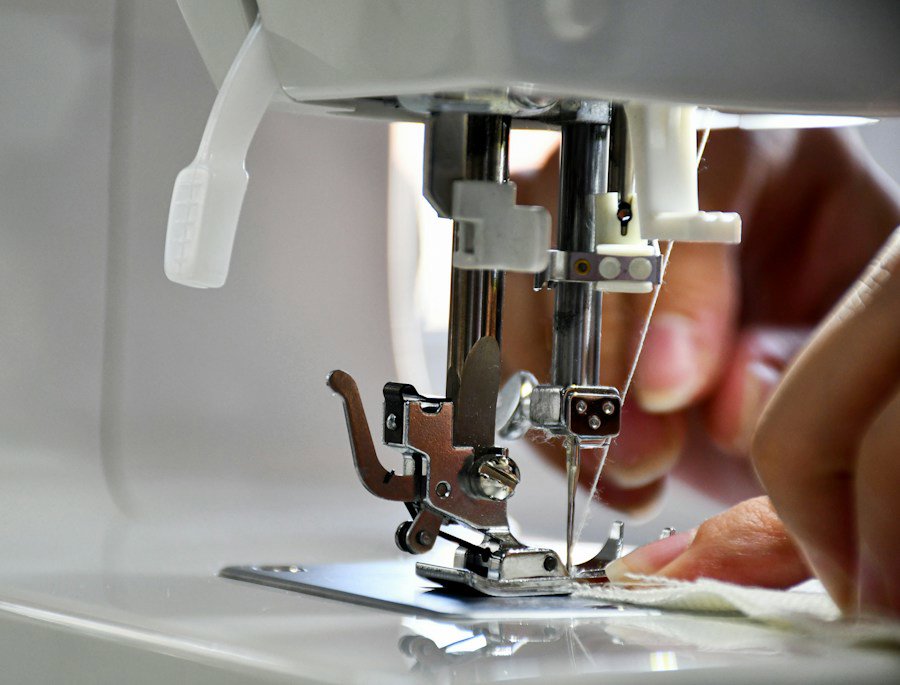
Photo by Omar Alrawi on Unsplash
Envelope Closure vs. Zipper Closure: Which Should You Choose?
Envelope closures are faster to sew and easier for beginners, while zipper closures give a tighter, more tailored look that resists gapping under heavier fabric.
- Envelope closure: No zipper required, uses two overlapping back panels, and makes the cover easy to remove for spot cleaning. Best for fabrics up to medium weight, where the overlap doesn't create too much bulk.
- Zipper closure: Cleaner, more tailored finish with no visible gap, and it holds heavier fabric snug against the insert so there's less shifting. It's trickier to sew through thick chenille or vinyl, and an invisible zipper foot helps a lot.
For a first project with heavier fabric, go envelope. Once you're comfortable, switch to a zipper for anything with pile, like velvet, or anything slick, like faux leather, where a clean seam really shows.
If you're testing colors against a fall palette, grey chenille is one of the best-selling options for shams because it hides pet hair and pairs with nearly any accent color in the room. Take a look at a few grey chenille upholstery fabric options before committing to yardage.
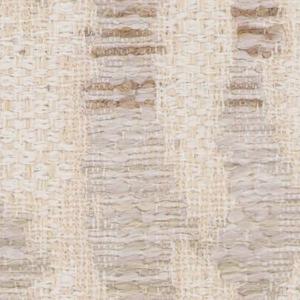
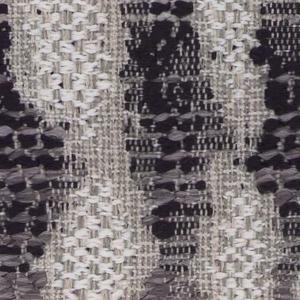
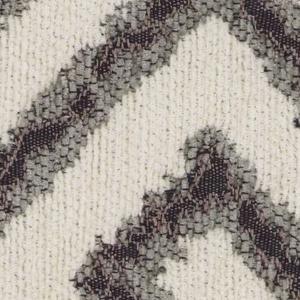
Tips for Sewing With Upholstery-Weight Fabric
- Switch to a denim or upholstery needle, size 90/14 or 100/16, since standard quilting needles bend or skip stitches on heavier weaves.
- Lengthen your stitch to 3.0 to 3.5mm. A tight stitch on thick fabric puckers instead of laying flat.
- Use a walking foot for velvet, boucle, or anything with pile, so the feed dogs don't crush the texture unevenly.
- Skip pre-washing unless the label specifically says washable. Many upholstery fabrics are spot-clean or dry-clean only, and a home wash can shrink the backing or dull a finish.
- Test your flange width on a scrap of paper folded to size before cutting fabric. It's a two-minute step that saves an entire cut panel.
- If you're outfitting a whole room, grab a fabric with a broad color range, like the options in our chenille upholstery fabric collection, so cushions and shams can coordinate without matching exactly.
One more thing: heavier fabric holds a crease better than cotton, which is great for flanges but means you need to press carefully. A pressing cloth and a lower iron setting protect pile and sheen while still giving you that crisp, showroom-quality edge.
Frequently Asked Questions
Q: Can a regular home sewing machine handle upholstery fabric for pillow shams?
Yes, most home machines sew mid-weight upholstery fabric without trouble as long as you use an upholstery or denim needle and a slightly longer stitch length. Very thick vinyl or heavily coated fabric may need a heavy-duty or industrial machine.
Q: How much fabric do I need for one pillow sham with a flange?
For a 20x20 inch pillow with a 3 inch flange and envelope back, plan on roughly three-quarters of a yard of 54 inch wide fabric. Add extra if your fabric has a large pattern repeat that needs matching across panels.
Q: What's the most durable fabric for pillow shams in a home with kids or pets?
Chenille and solution-dyed woven fabrics rated above 20,000 double rubs on the Wyzenbeek test hold up best to daily handling, spills, and pet claws. Darker colors and textured weaves also do a better job hiding everyday wear between cleanings.