
Reusable fabric gift bags sewn from upholstery fabric last for decades, while wrapping paper lasts about ten seconds. Upholstery-weight fabric is built to survive sofas, kids, and dogs, so it shrugs off the tugging, dragging, and stuffing that shreds thin cotton totes. If you've got a pile of remnants or a few quarter-yard cuts, you've got the raw material for a fall holiday-prep project that costs very little and gets better with every gift. Think of it as a present that keeps on sewing.
Why Does Upholstery Fabric Make Better Reusable Gift Bags?
Upholstery fabric makes better gift bags because it's engineered for abrasion and weight. Residential upholstery typically starts around 15,000 double rubs on the Wyzenbeek test, and commercial grades pass 30,000.
A double rub is one back-and-forth pass of an abrasive cloth over the fabric, so that number tells you how much friction the weave can take before it wears through. Quilting cotton isn't built for that kind of abuse. Upholstery fabric also typically weighs 8 ounces or more per square yard, compared with roughly 4 to 6 ounces for quilting cotton. That extra weight gives you a bag that stands up on its own, holds a bottle without sagging, and keeps its shape after the fifteenth gift exchange.
Here's the quotable version: a gift bag is only as durable as its weave density and abrasion rating, and upholstery fabric wins on both. Plus, it's budget-friendly. One quarter yard (about 9 by 54 inches) covers a wine bottle tote with fabric left over.
Which Upholstery Fabrics Look Best for Festive Gift Bags?
Chenille, jacquard, and velvet give you the most festive look with the least effort. Each one has built-in texture or sheen that reads as "gift" the moment someone sees it.
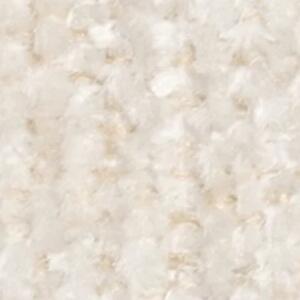
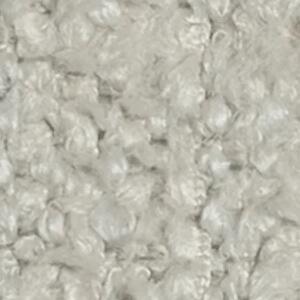
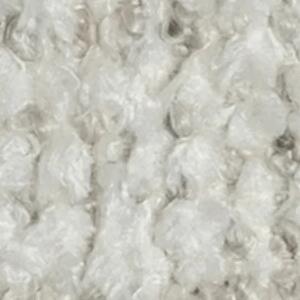
- Chenille: Soft, cozy, and forgiving to sew. Honestly, chenille upholstery fabrics are criminally underrated for gift bags. The dense pile hides stitching and the weight is excellent. Chenille does shed a little at cut edges, so finish them early.
- Jacquard: Woven-in patterns like damask and florals look like heirloom wrapping. A tonal cream jacquard pairs well with a deep red ribbon, and jacquard frays less than you'd expect because the weave is tight.
- Velvet: Velvet gets a bad rap as fussy, but it's perfect for small bags. Choose a performance velvet, and cut every piece with the pile running the same direction so the color doesn't shift from panel to panel.
This fall, jewel tones and earthy shades are showing up everywhere, so deep green fabrics and burgundy tones make natural holiday bags. Neutral textured weaves also keep the bags usable all year, which is the point of a reusable set.
On a budget? Check the upholstery fabric sale for cuts that suit small projects. Since a bag needs so little yardage, a quarter yard is plenty for most designs.
What Supplies Do You Need?
- Upholstery fabric remnants or quarter-yard cuts
- Bonded polyester or nylon thread (regular all-purpose thread can snap under load)
- Size 100/16 or 110/18 denim or upholstery needle
- Serrated shears or a rotary cutter and mat
- Clips instead of pins (pins leave holes in velvet and faux suede)
- Optional: lightweight cotton lining, 1-inch cotton webbing, stiff interfacing or felt for the base
Photo by Marília Castelli on Unsplash
Step-by-Step Instructions
- Cut the body panels. For a wine bottle tote, cut two panels 7 by 15 inches. For a medium gift bag, cut two panels 10 by 13 inches. Cut velvet and chenille with the pile running the same direction on every piece. One quarter yard yields three 7 by 15 inch panels if you turn the cuts sideways across the 54-inch width.
- Cut the handles and base insert. Cut two strips 3 by 22 inches. Also cut a base insert slightly smaller than your finished bottom, from stiff interfacing, felt, or a doubled scrap of the same fabric.
- Finish the raw edges. Zigzag or serge all four sides of each panel and both strap strips before you assemble anything. This one step handles most fraying trouble, especially with chenille and jacquard.
- Make the handles. Fold each long edge of a strap about 3/4 inch toward the center, then fold the strip in half lengthwise and topstitch down both sides. You get a flat strap about 3/4 inch wide. If your fabric is too thick for this, swap in 1-inch cotton webbing.
- Hem the top and attach the handles. Fold the top edge of each panel down 1 inch and press with a pressing cloth. Slip each strap end about 2 inches under the fold, spaced roughly 2 inches in from the side edges, then stitch a box with an X through it. The box-and-X pattern spreads the load across more stitching and is the classic reinforcement for tote handles.
- Sew the sides and bottom. Place the panels right sides together, clip the edges, and sew the two sides and bottom with a 1/2 inch seam, using a 3 mm stitch length. Backstitch at both ends of every seam. Press the seams open and trim the bulk.
- Box the corners. Cut a 2-inch square from each bottom corner, then pull each cut open so the side seam meets the bottom seam. Sew straight across. This gives a flat base so the bag stands up on its own. For the wine tote, you'll end up with a base about 6 by 4 inches.
- Add the base and turn it out. Turn the bag right side out, push the corners out with a blunt tool, and drop in the base insert. A full 750 ml wine bottle weighs roughly 2.5 to 3 pounds, so this stiff base keeps the bottom from bulging under that load.
How Do You Handle Fraying and Bulk at Seams?
Finish raw edges before sewing and trim seams after, and you'll solve both problems. Zigzag or serged edges stop fraying, while trimming and pressing open the seams cuts bulk.
Here's the thing: heavy fabric gets crowded where seams meet. Trim the seam allowance to about 3/8 inch, clip the corners diagonally, and use a hammer to gently tap down the thick spots before sewing across them. For faux suede or velvet, use a dry press cloth and skip the steam.
Want a lined bag? You have three options:
- No lining: Fastest, and fine if your seams are serged or zigzagged.
- Sewn lining: Make a second bag from lightweight cotton, slip it inside, fold its top edge under, and edgestitch it just below the hem. This hides every seam and makes a polished tote.
- Fused lining: Iron on a lightweight fusible, which works best on tightly woven jacquard.
A lining is optional, but it adds a layer that keeps fibers from shedding onto a nice bottle label or a wrapped gift.
Ready to shop for your remnants? These textures are great for small projects like this one:
Shop Chenille Upholstery Fabrics
How Big Should Gift Bags and Wine Totes Be?
Size the bag to the gift, not the other way around. Use this formula: cut width equals gift width plus 1 inch, and cut height equals gift height plus half the depth plus 2 inches for the hem.
- Wine bottle (750 ml): Finished bag 6 wide by 4 deep by 11 tall. Cut two panels 7 by 15 inches. The neck peeks out the top, which looks charming and makes it easy to grab.
- Hardcover book (about 6 by 9 by 1.5 inches): Finished bag 7 wide by 2 deep by 10 tall. Cut two panels 8 by 13 inches, and use a 1-inch corner square.
- Boxed gift (about 8 by 8 by 4 inches): Finished bag 9 wide by 5 deep by 9 tall. Cut two panels 10 by 13.5 inches, and use a 2.5-inch corner square.
Leave a little slack. Upholstery fabric doesn't stretch, so a bag cut too snug fights back. Make three sizes and you'll have a full set for the season, then store them flat or nested together so they're ready next year.
Frequently Asked Questions
Q: What is the best fabric for reusable gift bags?
Upholstery-weight chenille, jacquard, or velvet is the best choice for reusable gift bags. These fabrics are heavy, tightly woven, and typically rated at 15,000 double rubs or more, so they resist tearing, stand up on their own, and look festive.
Q: Can a home sewing machine sew upholstery fabric?
Yes, most home machines can sew upholstery fabric for small projects like gift bags. Use a size 100/16 or 110/18 needle, bonded polyester thread, a longer stitch of about 3 mm, and sew slowly through thick seams.
Q: How much fabric do you need for a wine bottle tote?
One quarter yard of upholstery fabric is enough for a wine bottle tote. The body needs two panels of 7 by 15 inches, and the two handle strips of 3 by 22 inches fit in the leftover fabric.