
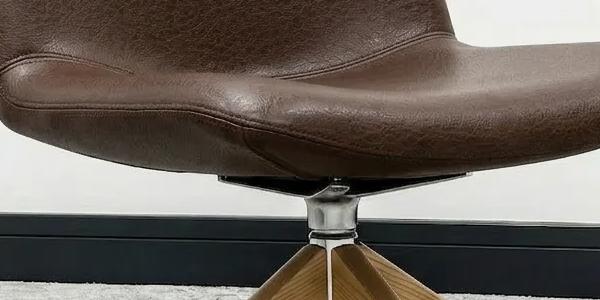
It's Friday, which in fall means one thing: someone in your house is heading to a field with a folding chair and a thermos. Cold aluminum bleachers, damp grass, and a toddler with hot cocoa are rough on any seat pad. Stadium seat cushions sewn from upholstery vinyl or faux leather handle all of it. They wipe clean, they don't soak up moisture, and they keep their shape for years. Here's how to make a set, from picking the fabric to cleaning off the mud.
Why Is Vinyl Better Than Cotton for Stadium Seat Cushions?
Vinyl is better because it's waterproof on the surface, wipes clean in seconds, and is rated for far more abrasion than cotton or thin nylon. A bleacher cushion takes more punishment in one season than a sofa cushion takes in a year.
Start with double rub counts. That's the number from the Wyzenbeek abrasion test, where a machine rubs cotton duck fabric back and forth across the sample until it wears through. One back-and-forth pass equals one double rub. Residential upholstery is generally considered heavy-duty at 15,000 double rubs or more, and many upholstery vinyls are rated at 100,000 or higher. Quilting cotton usually isn't rated for upholstery at all, and lightweight nylon tends to pill, snag, and split at the seams.
Then there's moisture. Cotton acts like a sponge, so a damp bleacher turns into a damp seat and a damp seat turns into mildew in your trunk. Vinyl has a solid, coated surface, so water, mud, and cocoa sit on top until you wipe them off. Here's the short version: if the cushion will touch wet metal, wet grass, or a wet kid, it should be vinyl.
Fun fact: a cushion that never needs washing is a cushion you'll actually keep using. Nobody wants to fight a washing machine over a foam pad.
What Is the Best Fabric for Stadium Seat Cushions?
The best fabric is a marine-grade or commercial-grade upholstery vinyl, or a polyurethane faux leather with a fabric backing. Both resist moisture, tolerate heavy abrasion, and sew into a clean, boxed shape.
Here's how to choose between them:
- Upholstery vinyl. The toughest and most water-resistant option. Browse our upholstery vinyl collection for fabrics with a knit or woven backing, which gives you stitching strength and a little stretch.
- Faux leather. Softer, more flexible, and nicer to sit on in cold weather. Our faux leather upholstery fabrics have a leather-like grain that hides scuffs well.
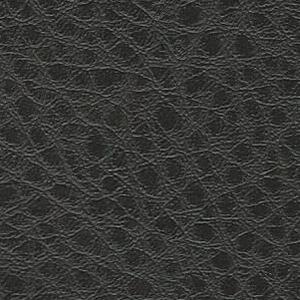
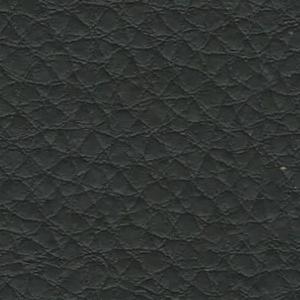
- Dark colors. Mud and cocoa disappear into dark tones. Black vinyl upholstery fabric is a practical pick, though it runs warm if the sun hits it.
- Team colors. Want to match the home side? Check the red upholstery fabrics for a bold school-spirit look.
Honestly, skip anything under about 0.9 mm thick for this project. Heavier vinyl costs a bit more per yard, but it won't crack at the fold line where you sit.
What Kind of Foam Should You Use for Stadium Cushions?
Use 1.5 to 2 inch thick foam, either high-density polyurethane (1.8 lb per cubic foot or more) or closed-cell polyethylene foam. Closed-cell foam doesn't absorb water, so it's the safer choice if a seam ever leaks.
High-density polyurethane feels more comfortable for a long game but can hold moisture if the cover splits. Closed-cell foam is firmer and lighter, and it's easier to cut. For kids' bleacher pads, firm closed-cell foam is great. For adults sitting through four quarters, go polyurethane and keep the cover seams tight.
A standard stadium seat cushion finishes around 14 by 16 inches. A bench pad works well at 14 by 48 inches or whatever your bleacher row allows. Cut foam with an electric carving knife, and it's clean and quick.
Photo by Alexander Andrews on Unsplash
Step-by-Step Instructions
This makes one 14 by 16 inch boxed cushion with a 2 inch foam core and a carry handle. For bench pads, scale the numbers up. You'll need about 1/2 yard of vinyl per cushion, bonded polyester thread, a size 16/100 or 18/110 needle, a walking foot or Teflon foot, and sewing clips.
- Cut your foam. Mark a 14 by 16 inch rectangle on the foam and cut it with an electric knife or a long serrated blade. Round the corners slightly if you like a softer shape.
- Cut the vinyl panels. Cut two panels at 15 by 17 inches for the top and bottom. That adds a 1/2 inch seam allowance on every side. Cut the boxing strip (the side wall) 3 inches wide, which is your 2 inch foam plus seam allowance. Make it 61 inches long, or piece it from two shorter strips. Use a rotary cutter and mark the back side with a chalk pencil or marker.
- Make the handle. Cut a strip 3 by 14 inches. Fold both long edges to the center, then fold in half so it's 3/4 inch wide, and topstitch down both sides. Fold it into a loop and baste the ends to the right side of the top panel, centered on one short edge, within the seam allowance.
- Attach the boxing strip. Skip the pins, because they leave permanent holes in vinyl. Use sewing clips to hold the strip to the top panel, right sides together, and sew with a 3.5 to 4 mm stitch length. Leave the back edge unstitched for now, since this is where the zipper or opening will go. Clip the corners so they turn cleanly.
- Add a zipper or opening. A zipper in the back boxing strip lets you remove the foam later. If you'd rather keep it simple, leave a 10 inch gap on the back edge and close it with a strip of hook-and-loop tape. Stitch it flat before you close the cushion.
- Attach the bottom panel. Clip the second panel to the open edge of the boxing strip, right sides together. Sew all the way around, easing at the corners. Go slowly through the handle, because that's three layers of vinyl plus a thick loop.
- Turn and stuff. Open the zipper, turn the cover right side out, and push the corners out gently with a blunt tool. Fold the foam like a taco and slide it in. Vinyl has a bit of stretch, so a snug fit looks tidy and doesn't wrinkle.
- Topstitch for strength. Run a line of topstitching around the handle base, and consider stitching a small rectangle there, called a box-X, to stop the handle from tearing out when it's loaded with a kid and a blanket.
Working on a budget? Our upholstery fabric sale page is a good place to find heavy-duty fabrics for a set of four or six cushions without paying full price.
How Do You Clean Vinyl Stadium Cushions After a Game?
Wipe them with a damp cloth and a few drops of mild dish soap, then dry them with a towel. For most mud, spills, and cocoa, that's all it takes.
Let mud dry a little before you wipe it, because dry dirt flakes off instead of smearing. For cocoa or sticky drinks, wipe right away with warm soapy water and rinse with a clean damp cloth. Avoid bleach, acetone, and nail polish remover, which can break down the vinyl surface and make it sticky or cracked. A magic eraser works on scuff marks, but go gentle.
Let the cushions air dry before you stack them. Trapped moisture is the main cause of musty smells, even with vinyl.
One more thing: keep them away from open flame. Vinyl melts and can ignite near sparks, so the bonfire seat should sit a safe distance from the fire pit. Fabric pun time: nobody wants a seat that's a little too well-done.
Tips for Cushions That Last Several Seasons
- Use the right needle. A dull or small needle skips stitches and perforates vinyl in a line, which weakens it. Change it after a project or two.
- Don't iron vinyl. Direct heat will melt or warp it. Press seams open with your fingers, or use a wooden clapper.
- Watch the cold. Vinyl stiffens in freezing weather, so keep cushions in the house or car until you leave. Faux leather stays softer in the cold.
- Add a non-slip back. A strip of grippy shelf liner under the bottom panel keeps cushions from sliding on metal bleachers.
- Store flat. Folding a cushion and leaving it that way for months can leave a crease. Stack them flat in a dry place for the off-season.
Frequently Asked Questions
Q: What is the best fabric for stadium seat cushions?
Upholstery vinyl is the best fabric for stadium seat cushions. It's waterproof on the surface, wipes clean, and many vinyls are rated for 100,000 or more double rubs, which is far more than cotton or nylon can handle.
Q: Can you sew vinyl on a regular sewing machine?
Yes, you can sew vinyl on a regular home machine if you use a walking foot or Teflon foot, a size 16 or 18 needle, and a longer stitch length of 3.5 to 4 mm. Use clips instead of pins, since pin holes stay in vinyl permanently.
Q: How thick should the foam be for stadium seat cushions?
The foam should be 1.5 to 2 inches thick. Choose high-density polyurethane foam for comfort or closed-cell polyethylene foam for water resistance, and cut it about the same size as the finished cushion so the cover fits snugly.