
If you've ever sewn a cushion cover out of quilting cotton and watched it sag, pucker, or blow out at the seam within a season, you already know the problem. Making zippered cushion covers with upholstery fabric instead of craft-weight cotton solves that headache for good. Upholstery-weight yardage is built to be sat on, leaned on, and washed repeatedly, which makes it the smarter choice for cushions, bench seats, and pillow shams that actually get used every day.
Why Upholstery Fabric Beats Quilting Cotton for Cushion Covers
Quilting cotton is designed for quilts hanging on walls, not for cushions taking daily pressure from bodies and paws. Upholstery fabric is engineered and tested for abrasion resistance, so it resists stretching, pilling, and seam failure far longer than standard craft fabric.
The difference comes down to how the fabric is tested. Most upholstery yardage carries a Martindale abrasion rating, commonly called a double rub count, that measures how many rubbing cycles the fabric withstands before it shows wear. Quilting cotton isn't rated for double rubs at all because it was never meant for that kind of friction. Residential-grade upholstery fabric typically starts around 3,000 double rubs, while heavy-duty options for family rooms and pet households often hit 15,000 or higher. That gap is the difference between a cover that lasts a summer and one that lasts a decade.
Photo by engin akyurt on Unsplash
What You'll Need Before You Start
- Upholstery-weight fabric (chenille, velvet, or a solid woven work great for cushions)
- A heavy-duty zipper, at least 4 inches shorter than your cushion width
- Polyester or heavy-duty upholstery thread
- A 90/14 or 100/16 sewing machine needle
- A zipper foot and, ideally, a walking foot
- Fabric scissors or a rotary cutter, pins or clips, and an iron
Skip regular quilting thread if you can. It's thinner than upholstery thread and tends to be the first thing to snap when heavier fabric puts stress on a seam.
Step-by-Step Instructions
- Measure your cushion insert. Measure the length, width, and depth of the foam or fiber insert. Add 1 inch to the length and width for seam allowance, and don't round down. Heavyweight fabric needs every bit of that extra room since it doesn't stretch to compensate for a snug cut.
- Cut your front and back panels. Cut one front panel to your finished measurements plus seam allowance. For the back, cut two panels that overlap by about 2 inches where the zipper will sit, adding an extra 1.5 inches to each piece for the zipper seam.
- Prep the zipper opening. Fold and press a 5/8-inch seam allowance along the edge of each back panel where the zipper will go. Pin the zipper face-down along one folded edge with the teeth centered on the fold, then stitch close to the fold using your zipper foot.
- Attach the second back panel. Overlap the second folded edge over the zipper so it covers the teeth by about a half inch, then topstitch it in place. This creates a clean, professional zipper closure that hides the hardware completely when closed.
- Unzip the zipper partway. Always do this before sewing the outer seam. Skip this step and you'll be stuck sewing yourself into a fabric envelope with no way to turn it right side out.
- Pin front and back panels together, right sides facing. With heavier upholstery fabric, pins alone sometimes aren't enough to hold layers still. Wonder clips grip thick fabric better than pins and won't leave holes in delicate weaves like velvet or suede.
- Sew the perimeter with a 5/8-inch seam allowance. Backstitch at the start and end of each seam for reinforcement. Go slowly over the zipper area since you're sewing through extra layers of thick fabric plus the zipper tape itself.
- Trim and clip corners. Cut each corner at a diagonal, close to the stitch line without cutting through it. This reduces bulk so your corners turn out sharp instead of round and lumpy.
- Turn the cover right side out through the zipper opening. Use a blunt tool like a chopstick or point turner to push corners out fully, then press the seams flat with an iron on the appropriate heat setting for your fiber content.
- Insert the cushion form and zip closed. Give it a good shake and pat down the corners so the insert fills the cover evenly. That's it. You've got a cushion cover that's built to outlast a store-bought one.
Shop All Upholstery Fabrics
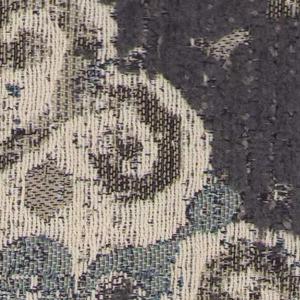
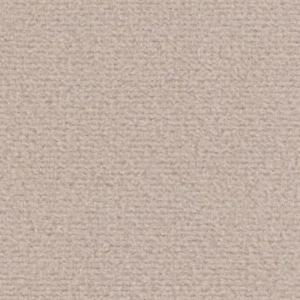
What Seam Allowance Should You Use for Heavyweight Fabric?
Use a 5/8-inch seam allowance for most upholstery-weight cushion covers, rather than the 1/4-inch standard for quilting cotton. Thicker fabric needs more allowance to prevent fraying and to give the seam enough strength to handle repeated stress without pulling apart.
Here's the thing about heavy fabric: it puts more strain on every stitch. A seam that would hold fine on lightweight cotton can slowly work itself loose on chenille or boucle if the allowance is too skinny. Bump up to 3/4 inch on high-wear cushions like dining bench seats or anything a dog considers a personal throne.
Choosing the Right Fabric Weight for Indoor Cushions and Shams
Not all upholstery fabric behaves the same way once it's under a sewing machine needle. Velvet, chenille, boucle, and woven fabrics all have different hand-feel and drape, which affects how they perform in a cushion cover.
- Chenille has a soft, looped texture and holds up beautifully to daily lounging. It hides seams well and resists visible wear lines, which honestly makes it criminally underrated for cushion projects.
- Velvet adds a plush, elevated look but can shed slightly at raw edges, so a serged or pinked seam finish helps it stay tidy over time.
- Boucle brings texture and a cozy, lived-in feel that's having a real moment in summer home decor right now, especially in cream and neutral tones.
- Solid woven fabrics are the workhorse choice. They're easy to sew, forgiving with pattern matching, and often the most budget-friendly of the bunch.
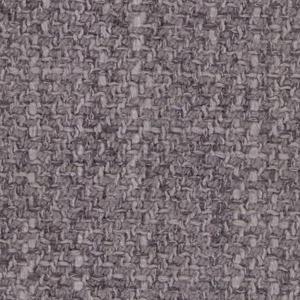
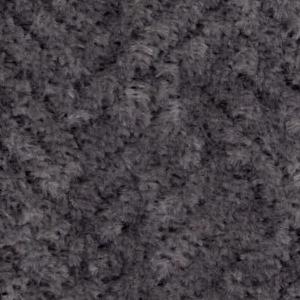
If you're shopping for yardage, browsing chenille upholstery fabrics or velvet upholstery fabrics is a good starting point since both hold color well and resist crushing under regular use. For a simpler look that still performs, solid upholstery fabrics give you consistent color without worrying about pattern repeat.
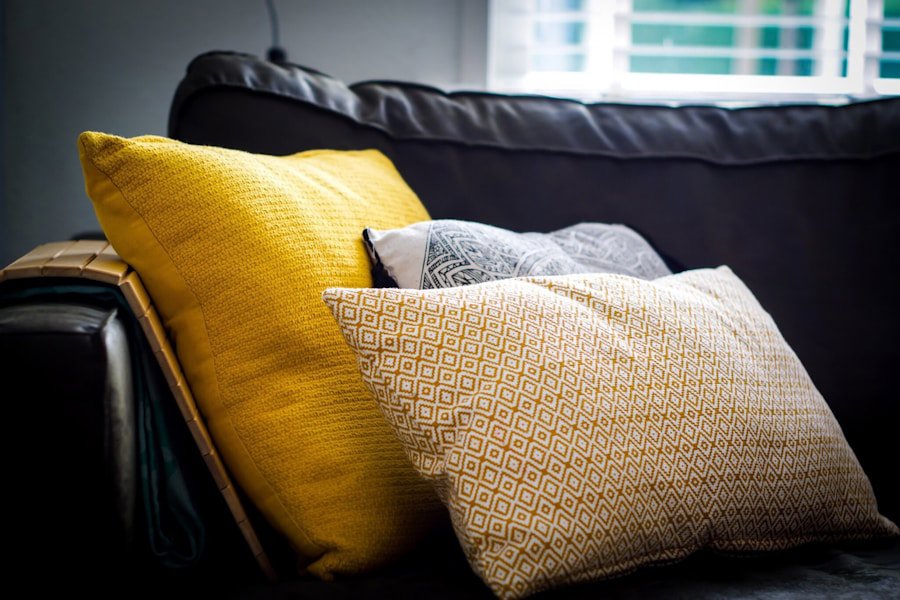
Photo by Sven Brandsma on Unsplash
Tips for Zipper Insertion Success
- Use an upholstery-grade zipper, not a dressmaking zipper. They're built with heavier teeth and tape that won't warp under thicker fabric.
- Lengthen your stitch slightly, around 3.0 to 3.5mm, when sewing through multiple layers of heavy fabric. Tiny stitches on thick material can perforate it like a postage stamp.
- Finish raw edges on fraying fabrics like boucle or velvet with a serger or a zigzag stitch before assembling the cover.
- If you're working with a fabric that has a nap, like velvet or corduroy, cut all panels in the same direction so the color doesn't shift under different light angles.
- For pet households, look for grey chenille upholstery fabric or similar performance weaves that clean up easily with mild soap and water.
Solution-dyed acrylic and performance-treated wovens are worth the small upcharge if cushions see food, wine, or muddy paws on a regular basis. The color is dyed through the fiber itself instead of printed on the surface, so fading and staining are far less noticeable over years of use.
Frequently Asked Questions
Q: Can I use regular cotton fabric for cushion covers?
You can, but it won't hold up nearly as long. Quilting cotton lacks the double rub rating and fiber density of upholstery fabric, so it stretches, thins, and tears at the seams much faster under daily use.
Q: What seam allowance is best for upholstery fabric cushion covers?
A 5/8-inch seam allowance works well for most upholstery-weight cushion covers, with 3/4 inch recommended for high-traffic cushions that see heavy daily use from kids or pets.
Q: How do I know if a fabric is heavy enough for cushion covers?
Check the double rub count on the fabric listing. Anything rated above 15,000 double rubs on the Martindale abrasion test is considered heavy-duty and suitable for high-use indoor cushions and pillow shams.