
If you refreshed your furniture fabrics this spring and you're already wondering whether they'll survive a full summer of sunlight, humidity, and everyday life, you're asking exactly the right question. Transitioning spring upholstery fabrics into summer isn't about swapping everything out. It's about understanding which materials hold up as temperatures rise, which ones breathe, and which ones quietly fade or flatten by August. This guide will walk you through the steps to make smart, lasting fabric choices that carry you comfortably from one season to the next.
Step-by-Step Instructions
- Audit what you already have. Before buying a single yard of new fabric, take stock of what's on your furniture right now. Run your hand across the surface. Does it feel heavy or dense? Hold a small section up to a window and notice how much light passes through. Fabrics like velvet and thick chenille trap heat and hold onto humidity, which can make seating feel stifling in July. If your spring pieces are heavy wovens or plush textures, they may be candidates for a seasonal swap or at least a strategic styling update. Make a quick list: what's staying, what might need to go, and what just needs a refresh.
- Understand fabric breathability before you shop. Breathability in upholstery means how well a fabric allows air to circulate rather than trapping body heat against the surface. Natural fibers like linen and cotton are genuinely breathable because their open weave structures allow airflow. Linen, in particular, has natural moisture-wicking properties that make it a smart warm-weather choice for sofas and chairs in sunny rooms. Tightly woven synthetics, on the other hand, can feel warmer because they don't allow as much airflow. If you're upholstering a piece that gets heavy daily use in a warm room, breathability should be near the top of your checklist.
- Prioritize UV resistance for sun-exposed pieces. This is the one most homeowners overlook until it's too late. UV exposure is the number one cause of fabric fading and fiber degradation in upholstered furniture near windows or in sunrooms. Solution-dyed acrylic fabrics, where color is locked into the fiber itself during manufacturing rather than applied on top, offer significantly better UV resistance than surface-printed or piece-dyed alternatives. In fact, solution-dyed acrylic fibers can retain color and integrity even after thousands of hours of sun exposure, making them a top pick for any furniture that sits near a south- or west-facing window. If you've ever watched a beautiful sofa cushion go from rich navy to washed-out blue over a single summer, you already know why this matters.
- Check the double rub count for durability. A double rub count measures how many times a fabric can be rubbed back and forth before it shows wear. Think of it as a stress test for everyday life. For a household with kids or pets, you want a minimum of 15,000 double rubs for general upholstery, and ideally 25,000 or higher for heavily used pieces like sofas. The Martindale abrasion test, used widely in Europe, measures the same thing slightly differently, but the principle is the same: higher numbers equal longer-lasting fabric. This matters especially in summer when people are in and out more, sitting on furniture in shorts or swimsuits, which creates more direct fabric-to-skin friction than winter clothing does.
- Choose the right fabrics for warm-weather upholstery. Here's where it gets satisfying. A few fabrics genuinely shine in the transition from spring to summer.
Linen is the MVP of warm-weather upholstery. It's breathable, gets softer with washing, and has a relaxed, airy look that fits the season perfectly. Linen-blend upholstery fabrics at Famcor Fabrics balance that natural feel with added durability.
Cotton is another reliable choice. It's soft, generally easy to clean, and works beautifully in printed or solid forms. A cotton canvas upholstery fabric in a pale cream or warm yellow can completely shift the energy of a living room for summer.
Honestly, linen-look woven fabrics are criminally underrated for this exact seasonal shift. They give you the aesthetic of natural linen with better abrasion resistance, which is a real win for a family room.
Vinyl and faux leather are worth mentioning here too, especially for outdoor-adjacent or high-traffic pieces. They don't breathe the way natural fibers do, but they're completely wipeable, UV-stable options are available, and they hold up to summer chaos better than almost anything else.
- Use color strategically for the season. Fabric color affects perceived temperature more than most people realize. Lighter colors like cream, white, beige, and soft blue reflect light rather than absorbing it, which makes a room feel cooler and airier. Deep jewel tones absorb more light and can make a space feel heavier in peak summer. If you're not reupholstering but want to shift the seasonal mood, swapping out throw pillow covers or a single accent chair in a lighter fabric color can do a lot of heavy lifting. Blues, greens, and soft neutrals are strong choices for summer and work with the nature-forward palette that's been dominating home decor trends this year.
- Layer in summer textiles without overwhelming the room. Seasonal layering is about adding and subtracting rather than full replacement. Keep your core upholstered pieces, especially if they're mid-durability fabrics that work year-round, and use lighter textiles to shift the feel. A loosely woven cotton throw over the arm of a heavier sofa adds breathability and texture. Linen slipcovers over dining chairs give a fresh summer look at a fraction of the cost of full reupholstery. Think of your main upholstery as the foundation and your seasonal layers as the easy, swappable part.
- Think about cleaning ease before you commit. Summer means more traffic. It means guests, outdoor-indoor movement, spilled iced coffee, sunscreen, and the occasional muddy dog situation. Before you select a fabric for any piece that gets real use, check the cleaning code on the label. "W" means water-based cleaners are safe. "S" means solvent only, so no water. "WS" means either. "X" means vacuum only. For summer especially, W or WS fabrics are your practical friends. Many performance fabrics, including solution-dyed acrylics and treated linens, now carry easy-clean properties without feeling clinical or stiff.
- Plan for humidity if you live in a warmer climate. High humidity is rough on natural fibers. Cotton and untreated linen can absorb moisture from the air and, over time, develop mildew or a musty smell if the room doesn't have good airflow. If you're in a humid Southern or coastal climate, look for performance blends that combine the look and feel of natural fibers with synthetic content that resists moisture. Acrylic-linen blends, polyester-cotton performance fabrics, and treated wovens give you the aesthetic without the maintenance headache. This is where "performance" fabric earns its name.
- Shop with the next season already in mind. This one sounds simple, but it makes a real difference. When you choose summer fabrics now, think about how they'll transition into fall. A warm-toned linen in camel or sage moves beautifully from summer into early autumn without feeling jarring. A starkly cool white cotton might feel out of place by October. Choosing transitional colors and versatile textures means your fabric investment works harder over more months of the year, which is genuinely more satisfying from a budget standpoint.
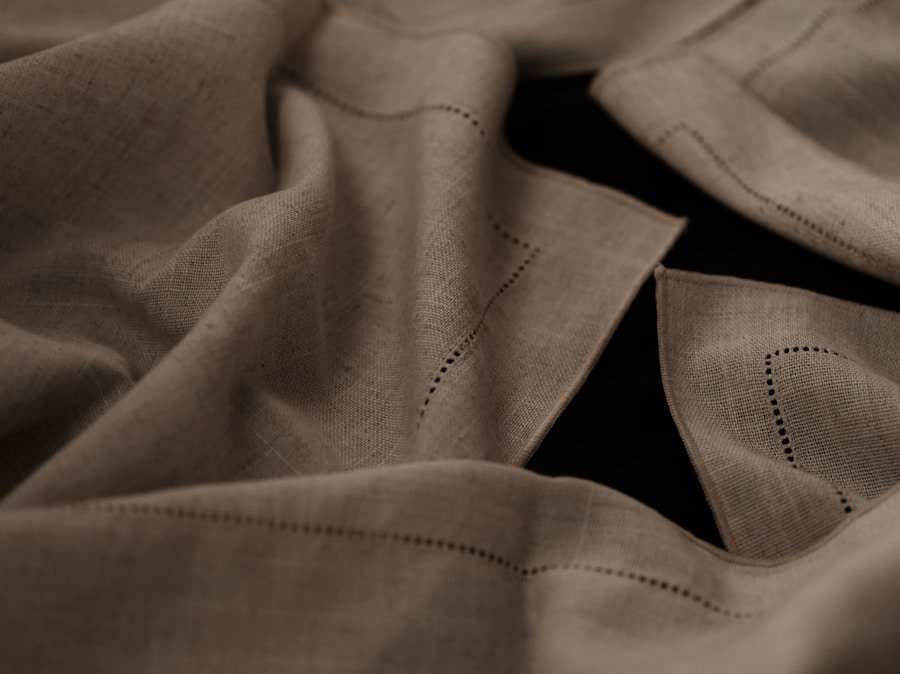
Photo by Kier in Sight Archives on Unsplash
What Are the Best Lightweight Upholstery Fabrics for Summer?
The best lightweight upholstery fabrics for summer are linen, cotton, and performance woven blends that offer breathability without sacrificing durability. These materials allow air to circulate, resist heat retention, and hold up to the increased use that warmer months bring.
Linen remains the gold standard for warm-weather upholstery. Its natural fiber structure allows moisture to move away from the body and the fabric surface, making it one of the most comfortable options for seating in heated or sun-lit rooms. Cotton is close behind, especially in tighter weaves that give it structure while maintaining softness. For households with kids or pets, a performance cotton-polyester blend often hits the sweet spot between breathability and the kind of durability that survives real life. These blends can achieve double rub counts of 30,000 or higher while still feeling soft and natural to the touch.
Woven fabrics in lighter weights, particularly those with an open or semi-open weave structure, also allow for more airflow than solid-faced fabrics like velvet or faux leather. If you love the look of a structured woven but need it to function in a warm room, look for lighter-weight versions rather than heavy upholstery-weight options.
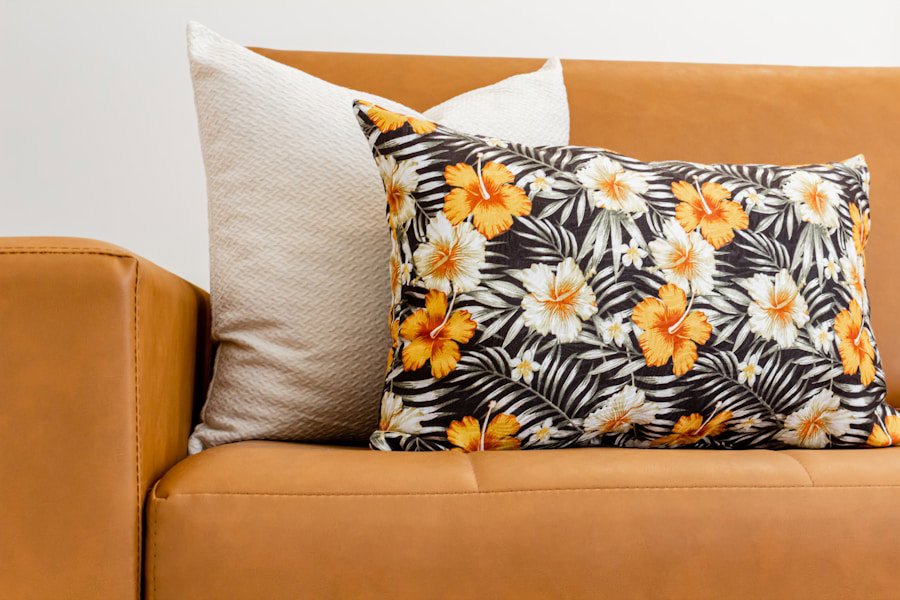
Photo by Lucas de Moura on Unsplash
Which Upholstery Fabrics Have the Best UV Resistance?
Solution-dyed acrylic fabrics have the best UV resistance of any upholstery material, followed by polyester and acrylic blends specifically treated for sun exposure. Natural fibers like untreated cotton and linen fade relatively quickly under direct sunlight.
Solution-dyed acrylic is made by introducing color directly into the molten fiber before it's formed, rather than dyeing the fabric after weaving. The result is that the color literally lives inside the fiber, not on its surface. This process dramatically improves fade resistance and is the reason why many outdoor and high-sun-exposure upholstery fabrics are made from solution-dyed acrylic. If you have a window seat, a sunroom chair, or any piece that catches afternoon sun for several hours a day, solution-dyed acrylic or a performance blend with UV inhibitors is the practical choice.
Polyester also has decent natural UV resistance compared to cotton or linen, which makes polyester-blend upholstery fabrics a reasonable mid-range option for moderately sunny rooms. For rooms that get only indirect light, well-treated cotton or linen will perform fine and won't lose significant color for several seasons with basic care.
Quick Tips and Troubleshooting
- If your fabric feels sticky in heat: It's almost certainly a synthetic with a tight face structure. Swap the accent pieces first and prioritize breathable fibers for any reupholstery.
- If your fabric is fading near the window: Add UV-filtering window film or sheer curtains as an immediate fix, and plan to transition to solution-dyed acrylic for that piece when you're ready to reupholster.
- If you're not ready to reupholster: Slipcovers in linen or a linen blend are a genuinely great seasonal solution. They're washable, affordable, and do a surprising amount to change the feel of a room.
- If you're shopping on a budget: Focus your fabric upgrade on the piece you use most. A refreshed sofa in a breathable linen-look woven makes a bigger difference than spreading the same budget across five smaller pieces.
- If you're unsure about a color for summer: Warm neutrals like cream, warm grey, and sandy beige are the safest transition colors because they work across seasons and reflect light without looking stark.
Frequently Asked Questions
Q: What upholstery fabric is best for hot weather?
Linen is the best upholstery fabric for hot weather because it's naturally breathable, moisture-wicking, and stays cool to the touch. Cotton and performance linen-cotton blends are strong alternatives, especially for high-traffic pieces that need added durability alongside warm-weather comfort.
Q: How do I keep upholstery fabric from fading in summer sunlight?
The most effective way to prevent upholstery fabric from fading in summer sunlight is to choose solution-dyed acrylic fabric, which locks color into the fiber during manufacturing rather than applying it on the surface. For existing pieces, UV-filtering window film or sheer curtain liners will slow fading significantly while you plan a longer-term fabric change.
Q: Can I use spring upholstery fabrics through summer without replacing them?
Yes, many spring upholstery fabrics transition well into summer, especially if they're made from linen, cotton, or lightweight performance blends. The key factors are breathability, UV resistance, and ease of cleaning. If your current fabric is a heavier pile texture like velvet or a dark-colored dense weave, layering lighter slipcovers or adding breathable throw textiles is a practical way to shift the feel without a full reupholstery project.