
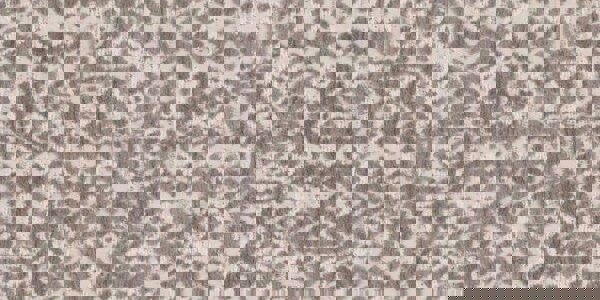
If you want upholstery fabric that genuinely looks expensive without requiring a decorator on speed dial, jacquard upholstery fabric is one of the smartest choices you can make. Unlike printed fabrics where the pattern sits on top of the surface, jacquard is woven with the design built directly into the structure of the cloth. That means what you're looking at is the fabric itself, not a coating or a layer that can chip, crack, or wash out. For homeowners who want furniture that looks considered and intentional, and for designers who need fabric that photographs beautifully and holds up in real life, jacquard consistently delivers both.
What Exactly Is Jacquard Upholstery Fabric?
Jacquard is a method of weaving, not a single fiber type. It refers to fabric produced on a Jacquard loom, a technology invented by Joseph Marie Jacquard in 1804 that uses a system of punched cards to control individual warp threads independently. This allows for incredibly intricate, multi-layered patterns that would be impossible to create on a standard loom. The result is a fabric where the pattern is structurally part of the weave, not applied after the fact.
Because jacquard is a weaving technique rather than a material, you'll find it made from a wide range of fibers including polyester, cotton, silk blends, viscose, and various synthetic mixes. The fiber content affects durability, texture, and care requirements, so it's always worth checking the fabric's specifications rather than assuming all jacquard behaves the same way. A polyester jacquard, for example, is going to perform very differently from a silk-blend jacquard in a high-traffic household.
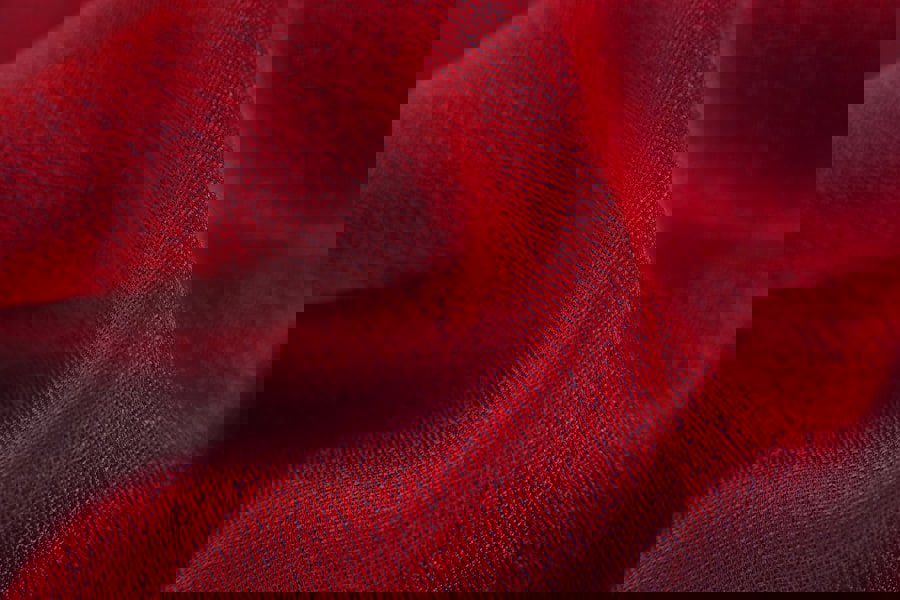
Photo by engin akyurt on Unsplash
How Durable Is Jacquard Fabric for Upholstery?
Jacquard upholstery fabrics typically achieve double rub counts between 30,000 and 100,000 depending on fiber content and construction, with polyester-based jacquards generally sitting at the higher end of that range. A double rub count of 30,000 or more is considered suitable for heavy residential use, while 100,000 and above enters commercial-grade territory. Because jacquard's pattern is woven rather than printed, the design itself doesn't degrade with abrasion the way a surface print would, though the texture and pile can still show wear over time with heavy use.
Here's the thing: the durability of a jacquard fabric really comes down to its fiber blend and weave density. A tightly woven polyester jacquard is going to outperform a loosely woven viscose jacquard every single time, even if they look similar at a glance. If you're upholstering a sofa that gets daily use, look for a double rub count of at least 40,000 and a fiber content that includes a meaningful percentage of polyester or nylon for resilience. For a decorative accent chair or a dining room piece that sees lighter traffic, you have more room to prioritize texture and visual complexity over raw durability numbers.
Why Jacquard Is Particularly Well-Suited for Spring Decorating
Spring is the season when a lot of people look at their living rooms and think, "this needs something." Jacquard fabric is one of the best tools for adding that something without repainting walls or buying entirely new furniture. Floral jacquards, botanical motifs, and soft geometric patterns in cream, sage green, dusty blue, and warm blush are all trending heavily this season, and they work beautifully as upholstery on accent chairs, window seats, ottomans, and sofas.
Also, jacquard's inherent texture means it adds visual depth even in solid or near-solid colorways. A tone-on-tone jacquard in a soft ivory or warm greige reads as elegant and layered rather than flat, which is exactly the kind of quiet sophistication that's showing up everywhere in current interior design. You don't need a bold pattern to benefit from the richness of jacquard weaving. Sometimes a subtle damask in a single color does more for a room than a busy print ever could.
For designers working on spring refresh projects, jacquard is also a reliable way to tie together a room where the client wants pattern but is nervous about committing to something too loud. A classic medallion jacquard in a neutral ground color gives you pattern, texture, and visual interest while remaining genuinely versatile across a range of furniture styles, from traditional to transitional.
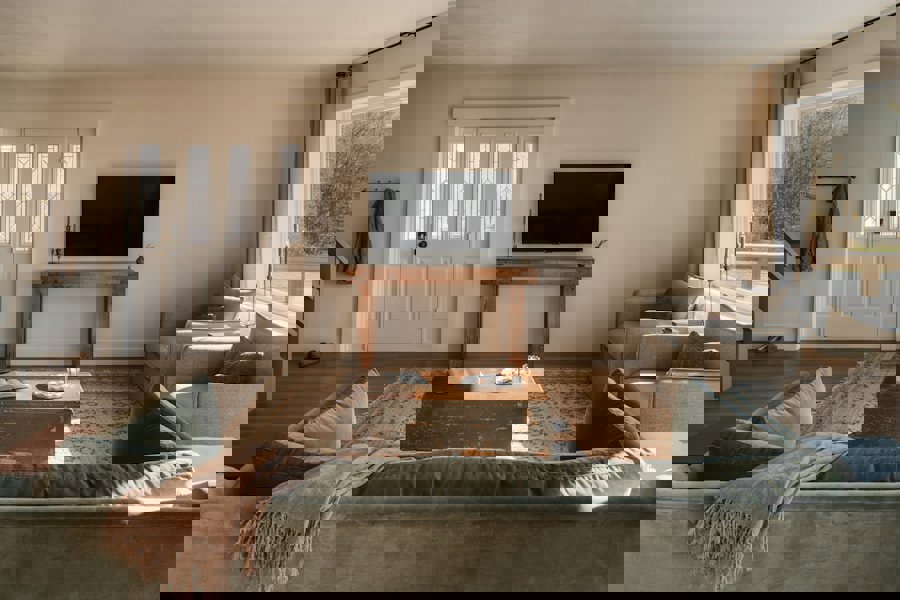
Photo by Clay Banks on Unsplash
What Should You Consider Before Buying Jacquard Upholstery Fabric?
Pattern repeat is one of the most important practical considerations with jacquard, and it's one that catches a lot of buyers off guard. Because the design is woven into the fabric, jacquard often has a pronounced repeat that needs to be matched across seams when upholstering a piece of furniture. Larger pattern repeats require more fabric, sometimes significantly more, to ensure the design aligns correctly on cushions, backs, and arms. Always account for pattern matching when calculating yardage, and if you're unsure, buy a little extra rather than a little short.
Care requirements vary based on fiber content. Most residential jacquard upholstery fabrics are spot-clean or dry-clean recommended, though some polyester blends can handle light water-based cleaning. Checking the fabric's care code before purchase is genuinely important here. W means water-based cleaning is safe, S means solvent-based cleaners only, WS means both can be used, and X means professional cleaning only. A fabric that looks beautiful on a sofa but can't be cleaned practically is going to become a source of frustration quickly, especially in homes with kids or pets.
One more thing worth considering is the difference between single-faced and double-faced jacquard. Single-faced jacquard has a cleaner finished back, while double-faced has an equally polished look on both sides. For most upholstery applications, single-faced is perfectly appropriate and typically more affordable. Double-faced jacquard is more often used in drapery or applications where both sides are visible.
- Check the double rub count: Aim for 30,000 or above for everyday residential furniture use.
- Factor in pattern repeat: Larger repeats require extra yardage for proper matching across seams.
- Know your fiber content: Polyester blends offer the best durability; silk and viscose blends prioritize luxury over longevity.
- Confirm the care code: W, S, WS, or X tells you exactly how the fabric can be cleaned.
- Consider the scale of the pattern: Smaller patterns work better on smaller pieces; large-scale designs shine on full sofas or statement chairs.
- Think about the room's existing palette: Tone-on-tone jacquards are more versatile; multi-color jacquards make a stronger statement.
Frequently Asked Questions
Q: Is jacquard fabric good for upholstery?
Yes, jacquard is an excellent choice for upholstery. Because the pattern is woven into the structure of the fabric rather than printed on the surface, it resists fading and surface wear much better than printed alternatives. Polyester-blend jacquards with double rub counts above 30,000 are well-suited for everyday residential use on sofas, chairs, and ottomans.
Q: How do I calculate how much jacquard fabric I need for a sofa?
Start with a standard yardage estimate for your furniture piece, which is typically 12 to 18 yards for a full sofa depending on size and style. Then add extra to account for pattern matching. As a general rule, add one full pattern repeat in yardage for every major fabric section that needs to match. When in doubt, ordering an extra yard or two is always the safer approach with patterned fabric.
Q: Can jacquard upholstery fabric work in a modern or contemporary home?
Absolutely. While jacquard is often associated with traditional or formal interiors, geometric jacquard patterns, abstract weaves, and tone-on-tone designs translate beautifully into modern and contemporary spaces. The key is choosing the right pattern scale and colorway. A clean-lined sofa in a simple geometric jacquard in charcoal or warm white feels completely current and works well alongside modern furniture and minimal decor.