
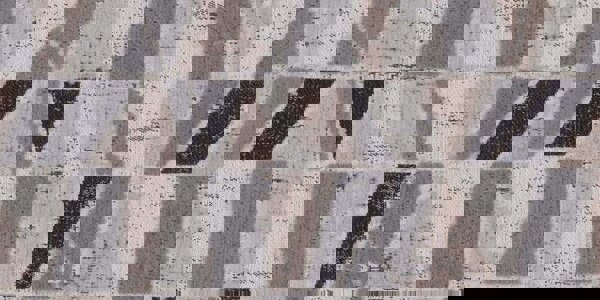
Jacquard upholstery fabric is one of those materials that stops people mid-scroll. The patterns are intricate, the texture has real depth, and the finished piece always looks like someone spent a lot of money on it, even when they didn't. But jacquard is more than just a pretty face. It's a structurally complex, genuinely durable fabric that holds up to real-life use far better than most people expect. If you've been curious about it, or you're actively shopping for something that balances beauty with function, this is the guide you've been waiting for.
What Is Jacquard Fabric, Exactly?
Jacquard is a method of weaving, not a single fiber. The pattern in a jacquard fabric is woven directly into the structure of the textile using a specialized loom, originally invented by Joseph Marie Jacquard in 1804. That means the design isn't printed on top or applied as a surface treatment. It's built into the fabric itself, which is a big deal for durability and longevity.
Because the pattern is structural rather than surface-level, jacquard fabrics don't fade or peel the way printed fabrics can over time. The design stays sharp wash after wash, year after year. That's a meaningful advantage for upholstery, where fabric takes a beating from daily use, UV exposure, and the occasional spilled coffee.
Jacquard can be woven from almost any fiber: polyester, cotton, wool, silk, viscose, or blends. The fiber content affects the fabric's feel, care requirements, and durability, so it's worth paying attention to what's in the weave, not just how it looks.
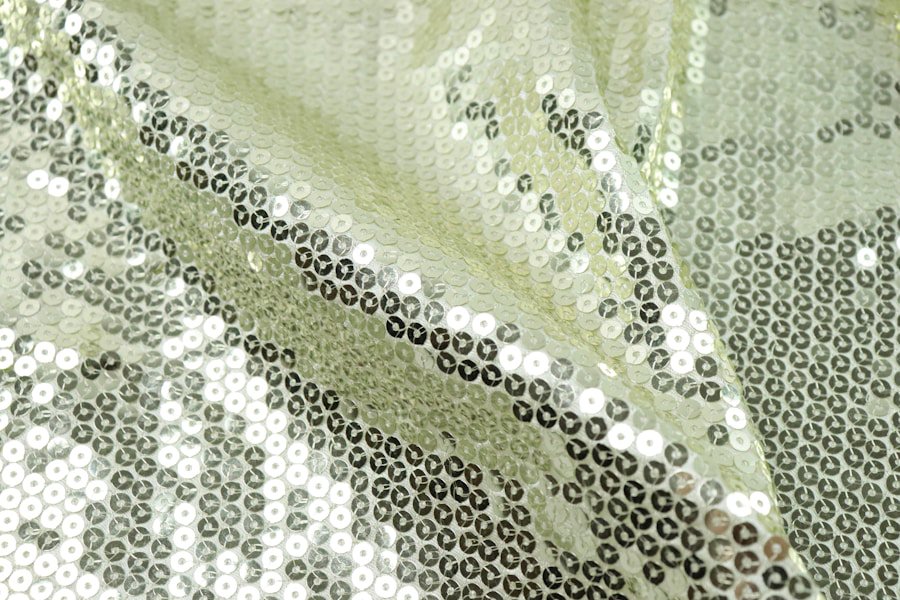
Photo by Divazus Fabric Store on Unsplash
Is Jacquard Fabric Durable Enough for Everyday Furniture?
Yes, jacquard upholstery fabric is genuinely durable, especially in polyester or poly-blend constructions that achieve double rub counts of 30,000 or higher, which meets the standard for heavy residential use. The woven structure itself adds strength, since the interlocking threads create a tighter, more stable surface than many single-weave fabrics.
Double rub count is the standard measurement used in the upholstery industry to rate fabric durability. One double rub simulates one back-and-forth motion of a person sitting on furniture. For context, most fabric used in residential settings should hit at least 15,000 double rubs for light use, and 30,000 or more for heavy-use pieces like sofas and dining chairs. Quality jacquard upholstery fabrics frequently land in the 30,000 to 100,000 range, depending on fiber content and construction.
Wool and wool-blend jacquards tend to score well on the Martindale abrasion test, which is another industry-standard durability measure commonly used in European and commercial specifications. A Martindale rating of 20,000 cycles is considered suitable for general contract use. For home use, anything above 15,000 is solid. Wool jacquards often exceed this comfortably, making them a smart pick for heirloom furniture you actually want to last.
Here's the thing: the weave density matters as much as the fiber. A tightly woven jacquard in a mid-grade polyester will outperform a loosely woven jacquard in a premium fiber. Always ask about thread count and weave density when you're comparing options.
What Furniture Pieces Work Best With Jacquard Upholstery?
Jacquard fabric shines on pieces where the fabric gets to be the focal point. Accent chairs, headboards, ottomans, and tufted sofas are natural fits because the structured pattern complements the form of the furniture. A classic wingback chair in a deep floral or geometric jacquard is genuinely one of the most satisfying combinations in residential design.
That said, jacquard works beautifully on dining chairs too, particularly in tighter, more geometric patterns that don't overwhelm a smaller surface area. Spring is actually a great time to experiment with this because the season invites color and pattern back into home interiors after a long stretch of winter neutrals.
- Accent chairs: Jacquard's intricate pattern becomes a design statement on a single statement chair.
- Sofas and loveseats: Look for high double rub counts (50,000 or above) for heavily used pieces.
- Headboards: Fabric isn't under constant friction here, so you have more flexibility with delicate weaves.
- Ottomans: Geometric jacquards hold up especially well to the varied contact points of ottoman use.
- Dining chairs: Tighter jacquard patterns in durable poly blends are a practical, elegant choice.
- Drapery panels: Many jacquard fabrics cross over beautifully into drapery applications for a cohesive room look.
How Do You Care for Jacquard Upholstery Fabric?
Care requirements for jacquard upholstery depend almost entirely on fiber content. Polyester-based jacquards are the most forgiving: they resist moisture, clean up easily with a damp cloth, and don't require professional treatment for most everyday spills. Cotton and linen jacquards need a bit more attention since natural fibers are more absorbent and can shrink with improper cleaning.
For most jacquard upholstery, the safest approach is spot cleaning with a mild, water-based upholstery cleaner and a soft cloth. Avoid scrubbing, which can distort the raised texture of the weave. Always blot, never rub. For wool and silk-blend jacquards, dry cleaning or professional upholstery cleaning is usually the better call.
Vacuuming regularly with a soft brush attachment keeps dust and debris from working their way into the weave structure, which matters more with jacquard than with smoother fabrics because the textured surface has more places for particles to settle. It's a small habit that genuinely extends the life of the fabric.
Choosing the Right Jacquard for Your Space This Spring
Spring home refreshes are one of the best times to commit to a patterned fabric because the season's energy lends itself to bolder choices. Jacquard in botanical prints, soft geometrics, or tone-on-tone damask patterns all feel fresh right now without looking trend-dependent. These aren't fast-fashion choices. They're patterns that have existed for centuries and will still look intentional a decade from now.
If you're new to jacquard and feeling cautious, tone-on-tone jacquard (where the pattern and background are the same or similar color) is the easiest entry point. You get the texture and depth of the weave without a bold color commitment. Neutral beige, cream, or grey tone-on-tone jacquards are endlessly versatile and work across traditional, transitional, and even contemporary interiors.
For designers sourcing for clients, jacquard checks a lot of boxes: it photographs beautifully, it communicates quality without requiring a luxury price tag, and clients respond well to the visible craftsmanship of a woven pattern. It's also genuinely impressive to explain that the pattern is built into the fabric structure rather than printed on. People always find that interesting.
Frequently Asked Questions
Q: What is jacquard upholstery fabric?Jacquard upholstery fabric is a textile where the pattern is woven directly into the fabric structure using a specialized loom, rather than printed on the surface. This gives it exceptional durability and a rich, dimensional appearance that holds up well over time.
Q: How many double rubs should jacquard upholstery fabric have for a sofa?For a sofa that sees daily use, look for jacquard upholstery fabric with a double rub count of at least 30,000. Higher-traffic households or commercial applications should aim for 50,000 or above to ensure the fabric holds up without showing wear.
Q: Can jacquard fabric be used for both upholstery and drapery?Yes, many jacquard fabrics are suitable for both upholstery and drapery applications. When using jacquard for drapery, the structural weight of the weave adds excellent drape and body. Just confirm the fabric's weight and care instructions are appropriate for the specific application before purchasing.