
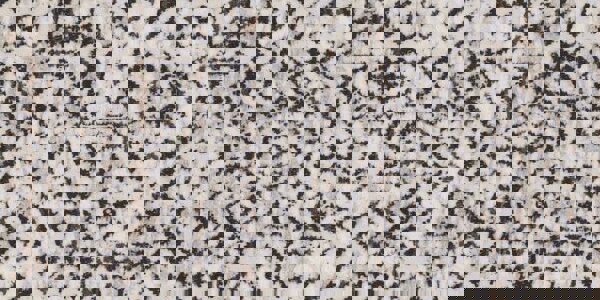
If you've ever run your hand across a piece of furniture and thought, "this fabric feels like it costs a fortune," there's a reasonable chance you were touching jacquard upholstery fabric. It has that quality. The pattern isn't printed on top of the surface. It's woven directly into the structure of the fabric itself, thread by thread, during manufacturing. That distinction matters more than most people realize when they're choosing upholstery fabric for a sofa, chair, or ottoman they actually want to last.
Spring is genuinely one of the best times to think about updating your furniture, and jacquard fits the season better than you'd expect. The range of patterns available runs from soft botanicals and damasks to clean geometric repeats that feel very current right now in 2025 home decor. Whether you're refreshing a single accent chair or tackling a full reupholstery project, jacquard gives you a lot to work with.
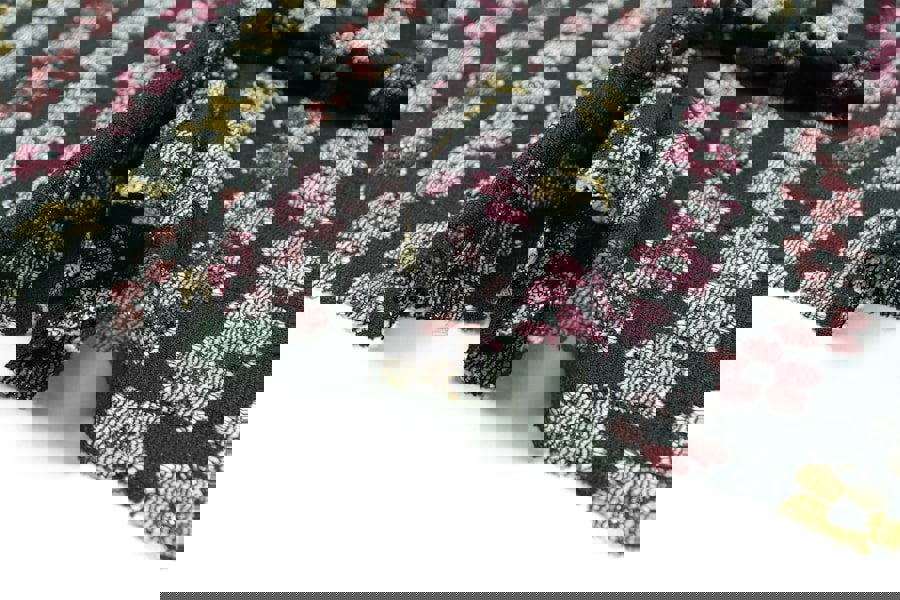
Photo by Divazus Fabric Store on Unsplash
What Exactly Is Jacquard Upholstery Fabric?
Jacquard fabric is any fabric woven on a Jacquard loom, a loom invented by Joseph Marie Jacquard in 1804 that uses a system of punch cards to control individual warp threads independently. This is what allows complex, multi-layered patterns to be woven directly into the fabric rather than printed or embroidered on afterward. The result is a fabric with pattern depth, dimensional texture, and exceptional structural integrity.
Because the pattern is structural rather than surface-applied, it won't crack, peel, or wash away over time the way printed fabrics can. This is a significant practical advantage for upholstery, where fabric takes daily friction and use. Jacquard is produced in a wide range of fiber compositions including polyester, cotton, viscose blends, and wool blends, so the performance characteristics vary depending on what the base fibers are. Always check the fiber content alongside the weave type when you're evaluating jacquard for a specific piece of furniture.
How Durable Is Jacquard Fabric for Upholstery?
Jacquard upholstery fabric typically achieves a double rub count between 30,000 and 100,000 depending on fiber content and weave density, with quality contract-grade jacquards frequently exceeding 50,000 double rubs on the Wyzenbeek abrasion test. For context, a fabric rated at 15,000 double rubs is generally considered suitable for light residential use, while anything above 30,000 is appropriate for heavy residential or light commercial applications.
Honestly, this is where jacquard earns its reputation. A well-constructed polyester or poly-blend jacquard is not a delicate choice. It's a workhorse dressed up in beautiful clothing. The tight weave structure that creates the pattern also adds physical density to the fabric, which resists pilling, sagging, and surface wear better than many single-layer wovens. For families with kids or pets, a high-pile velvet might be the more obvious go-to, but a dense jacquard can absolutely hold its own in an active household.
If you're comparing testing standards, the Wyzenbeek test is standard in North America, while the Martindale abrasion test is more common in Europe. Both measure resistance to surface wear, but they use different motions and scales, so the numbers aren't directly comparable. When a fabric spec sheet gives you a Martindale rating, a score of 20,000 cycles is roughly equivalent to moderate residential use.
What Furniture Works Best With Jacquard Upholstery?
Jacquard fabric performs especially well on pieces that are meant to be seen. Accent chairs, dining chairs, window benches, and ottomans are natural fits because the pattern gets displayed well on flat or gently curved surfaces. Sofas work beautifully too, though keep in mind that large repeat patterns need more fabric to match correctly at seams, so budget a little extra yardage if you're working with a bold design.
Here's the thing: jacquard has a formal reputation that it doesn't always deserve. Traditional damask jacquards do read as classic and a little dressed-up. But geometric jacquards in modern colorways, textured tone-on-tone weaves, and abstract woven patterns can look completely at home in a contemporary or transitional space. The fabric type isn't the deciding factor in how formal a room feels. The pattern and colorway are. A charcoal geometric jacquard on a mid-century chair is a very different look from an ivory floral damask on a wingback, even though both are technically jacquard.
For spring decorating specifically, jacquards in sage green, dusty blue, warm cream, and soft terracotta are performing well right now. These tones layer easily with the natural linens and light woods that are trending across American interiors heading into the warmer months.
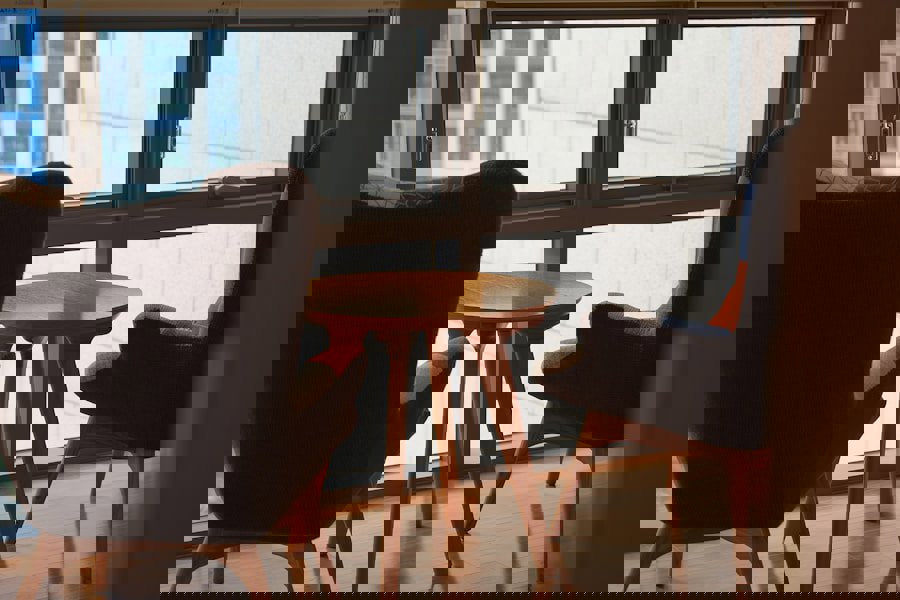
Photo by lee seunghyub on Unsplash
What Should You Look for When Buying Jacquard Upholstery Fabric?
Fiber content is your first checkpoint. Polyester jacquards are the most fade-resistant and easiest to clean, making them practical for everyday furniture. Cotton-blend jacquards offer a softer hand feel and a slightly more organic drape, which suits traditional and transitional styles well. Viscose or rayon blends add luster and a slight sheen to the surface, which photographs beautifully but can be more prone to crushing in high-traffic areas.
Also, check the pattern repeat before ordering. A pattern repeat is the measurement of one complete design cycle, both vertically and horizontally. Large-repeat jacquards (anything above 13 to 14 inches) can add 20 to 30 percent to your total yardage requirement. Your upholsterer will need to plan cuts carefully to align the pattern at seams and across cushions. It's not a reason to avoid large-pattern jacquards, but it is something to account for in your budget and yardage calculation.
Plus, ask about the backing. Many quality jacquard upholstery fabrics come with a woven or knit backing that stabilizes the fabric and prevents stretching during the upholstery process. A backed jacquard is generally easier to work with and holds its shape better over time on padded furniture forms.
- Double rub count: Look for 30,000 or higher for everyday residential upholstery use
- Fiber content: Polyester blends for durability; cotton blends for softer hand feel
- Pattern repeat size: Factor large repeats into your yardage estimate before ordering
- Backing: A stabilizing backing makes installation cleaner and extends the life of the piece
- Colorway: Tone-on-tone jacquards are versatile; multi-color designs make a stronger statement
Jacquard vs. Other Patterned Upholstery Fabrics: What's the Difference?
Printed fabrics get the pattern applied to the surface after weaving, which is faster and less expensive to produce but comes with trade-offs. The print can fade with UV exposure, and in high-friction areas like seat cushions and armrests, it can wear away over time. Jacquard's woven pattern doesn't have this vulnerability because the design lives within the fabric structure itself, not on top of it.
Compared to embroidered fabrics, jacquard is more durable for upholstery applications. Embroidery adds raised thread on top of a base fabric, which can snag or pill with regular contact. A woven jacquard pattern is flush with the fabric surface, making it more snag-resistant and easier to maintain.
Among patterned upholstery options, jacquard offers the best combination of visual complexity, structural durability, and long-term pattern retention. That's why it's been a staple of quality furniture manufacturing for over two centuries and shows no signs of going anywhere.
Frequently Asked Questions
Q: Is jacquard fabric good for upholstery?Yes, jacquard is an excellent upholstery fabric. Because the pattern is woven into the fabric structure rather than printed on the surface, it resists fading, cracking, and wear better than many printed alternatives. Quality jacquard upholstery fabric typically achieves 30,000 or more double rubs on the Wyzenbeek abrasion test, making it suitable for everyday residential furniture use.
Q: How do you clean jacquard upholstery fabric?Most jacquard upholstery fabrics can be spot-cleaned with a mild upholstery cleaner and a soft cloth. Always check the care code on the fabric specification: "W" means water-based cleaner is safe, "S" means solvent-based cleaner only, and "WS" means either is acceptable. Avoid saturating the fabric and allow it to air dry fully to prevent mildew or warping of the backing.
Q: What is the difference between jacquard and brocade fabric?Both jacquard and brocade are woven on a Jacquard loom, but brocade is a specific type of jacquard distinguished by its supplementary weft threads that create a raised, embossed pattern, often with a slightly metallic or shinier surface. All brocade is jacquard, but not all jacquard is brocade. For upholstery, standard jacquard is generally more practical than brocade because the raised threads in brocade can snag more easily with regular use.