
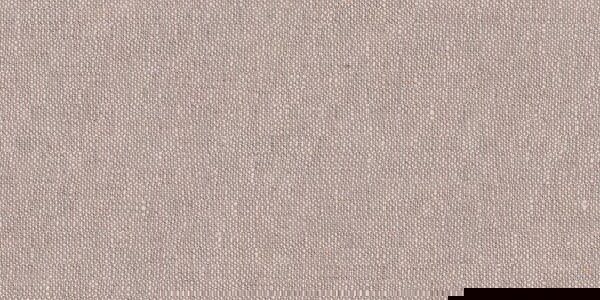
Linen upholstery fabric is having a serious moment right now, and honestly, it's not hard to see why. That natural, slightly textured weave has a relaxed elegance that works in almost any room, from a coastal living room to a modern farmhouse sitting area. But if you've been eyeing a linen sofa or thinking about reupholstering a favorite chair, you've probably also wondered: is linen actually durable enough for daily life, or is it one of those fabrics that looks stunning in a showroom and falls apart the second a kid sits on it? The answer is more interesting than a simple yes or no.
What Makes Linen Upholstery Fabric Different From Other Natural Fibers?
Linen is made from the fibers of the flax plant, and that origin matters more than most people realize. Flax fibers are naturally stronger than cotton, which means pure linen fabric has a surprisingly good baseline durability for a natural textile. Linen upholstery fabric typically achieves between 20,000 and 40,000 double rubs on the Martindale abrasion test when tightly woven, putting it in a respectable mid-range category for residential use. That's genuinely usable for everyday furniture in most households.
Here's the thing: not all linen fabrics are the same. The weave density, thread count, and whether the fabric is a pure linen or a linen blend all affect how it performs in real life. A loosely woven linen might pill and snag quickly, while a tightly woven or linen-cotton blend can hold up to years of regular use. When you're shopping, always ask about the double rub count. Anything under 15,000 is better suited to accent pieces or low-traffic chairs. For a main sofa, aim higher.
Linen is also naturally anti-static, which means it doesn't attract pet hair the way synthetic fabrics sometimes do. That's a quiet win most people don't find out until they already own a linen piece. Plus, it's a naturally breathable fiber, so linen upholstered furniture tends to feel cooler in warm weather, which makes it a genuinely smart choice heading into spring and summer.
Photo by 3d illustrations on Unsplash
Is Linen Upholstery Fabric Hard to Care For?
Linen does require a little more attention than synthetic upholstery fabrics, but it's not nearly as delicate as its reputation suggests. The biggest care consideration with linen is moisture. Pure linen can shrink when exposed to water, so spot cleaning with a damp cloth needs to be done carefully, blotting rather than rubbing and allowing the fabric to air dry completely. Professional cleaning is generally recommended for deep cleaning linen upholstery.
Linen also wrinkles. That's just part of the deal. For some people, a slightly lived-in, relaxed look is exactly the aesthetic they're after, and the natural creasing actually adds to the casual, organic feel that makes linen so popular right now. If you need a fabric that stays crisp and smooth no matter what, linen might test your patience.
Blended linen fabrics, particularly linen-polyester or linen-acrylic blends, solve a lot of these problems. The synthetic component reduces shrinkage, improves wrinkle resistance, and often brings the double rub count up significantly. For households with kids or pets, a quality linen blend is almost always the smarter call than a 100% linen fabric. You get the visual warmth and texture of linen with noticeably better practical performance. It's a trade-off worth knowing about before you buy.
Which Furniture Pieces Work Best With Linen Fabric?
Linen upholstery fabric is particularly well suited to pieces that sit in medium-traffic areas of the home. Think accent chairs, window seats, dining chairs, and bedroom benches. These are spots where the fabric's natural beauty gets to shine without taking the kind of punishment a living room sofa endures every single day.
That said, plenty of people successfully use linen on sofas, and it can absolutely work. The key is choosing the right weight and weave. A heavyweight linen or a tightly woven linen blend will handle sofa life much better than a lightweight decorative linen. If you're reupholstering a statement sofa that doesn't get sat on constantly, pure linen is a genuinely beautiful option. If it's the sofa that your whole family piles onto every evening, a linen blend with a double rub count of 30,000 or higher is a much wiser investment.
In terms of style, linen works incredibly well with spring 2025 interior trends. Natural textures, earthy neutrals, and that quiet, unforced elegance are exactly what's dominating interior design right now. Linen pairs beautifully with warm wood tones, rattan accents, and soft botanical prints. It also plays well with bolder colors if you want to make more of a statement.
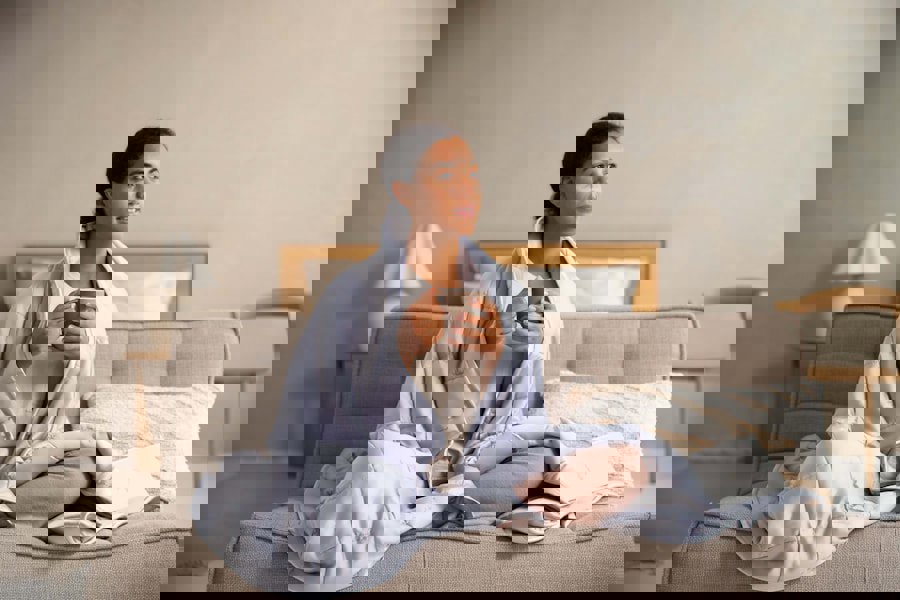
Photo by Slaapwijsheid.nl on Unsplash
What Colors and Styles Are Most Popular in Linen Upholstery Right Now?
Natural undyed linen, often called "raw linen" or greige linen, is probably the most searched and purchased shade right now, and it fits seamlessly into the quiet luxury aesthetic that's been taking over home interiors for the past couple of years. Beyond the naturals, soft sage greens, warm creams, dusty blues, and earthy terracottas are all performing strongly in linen upholstery this spring.
Linen also takes dye beautifully because of the open, absorbent nature of the flax fiber. Colors tend to have a soft, slightly muted quality that looks intentional rather than flat, which is a huge part of the appeal. You get depth and character in the color, not just a flat wash of pigment.
For those who want pattern in their linen upholstery, striped linens and subtle textural weaves are having a strong moment. Simple ticking stripes in neutral tones look incredibly fresh on accent chairs and benches right now, and they're the kind of pattern that won't feel dated in two years. That's always a good sign when you're investing in upholstery fabric.
Frequently Asked Questions
Q: Is linen a good upholstery fabric for a sofa?Linen can work well on a sofa, especially in tightly woven weights or linen blends with a double rub count of 30,000 or higher. For heavy daily use, a linen-polyester blend will outperform pure linen in durability and wrinkle resistance while keeping the same natural look and texture.
Q: How do you clean linen upholstery fabric?For linen upholstery, spot clean with a lightly damp cloth, blotting rather than rubbing, and allow it to air dry fully. Avoid soaking the fabric, as pure linen can shrink when wet. For deeper cleaning, professional upholstery cleaning is the safest method.
Q: What is a good double rub count for linen upholstery?A double rub count of 15,000 or more is considered suitable for light residential upholstery use. For frequently used furniture like sofas and dining chairs, look for linen or linen blend fabrics with 25,000 to 40,000 double rubs to ensure long-lasting wear under everyday conditions.