
Linen upholstery fabric has been quietly having a moment for a while now, and this spring it's basically everywhere. Neutral living rooms, sun-filled dining spaces, coastal-inspired bedroom benches. If you've been scrolling through home decor content lately, you've almost certainly spotted that soft, slightly textured weave doing heavy lifting in some seriously beautiful interiors. But here's what most people don't know: linen isn't just pretty. It's genuinely tough, naturally sustainable, and one of the few fabrics that actually looks better as it ages. Not bad for something made from a plant.
What Makes Linen Upholstery Fabric Different From Other Natural Fibers?
Linen is made from the flax plant, and that origin story matters. Flax fibers are naturally longer and stronger than cotton fibers, which gives linen a higher tensile strength right out of the gate. Pure linen upholstery typically rates between 20,000 and 30,000 double rubs on the Martindale abrasion test, and quality linen blends can push even higher depending on what they're woven with. That puts it firmly in the "suitable for everyday use" category, not the "save it for guests" category.
Beyond durability, linen has a few properties that set it apart. It's naturally moisture-wicking, which means it doesn't trap heat the way synthetic fabrics can. It's also naturally lint-resistant and hypoallergenic, which makes it a solid choice for homes with pets or allergy-prone family members. The texture has a subtle, organic variation that you just can't fake with polyester, no matter how hard manufacturers try.
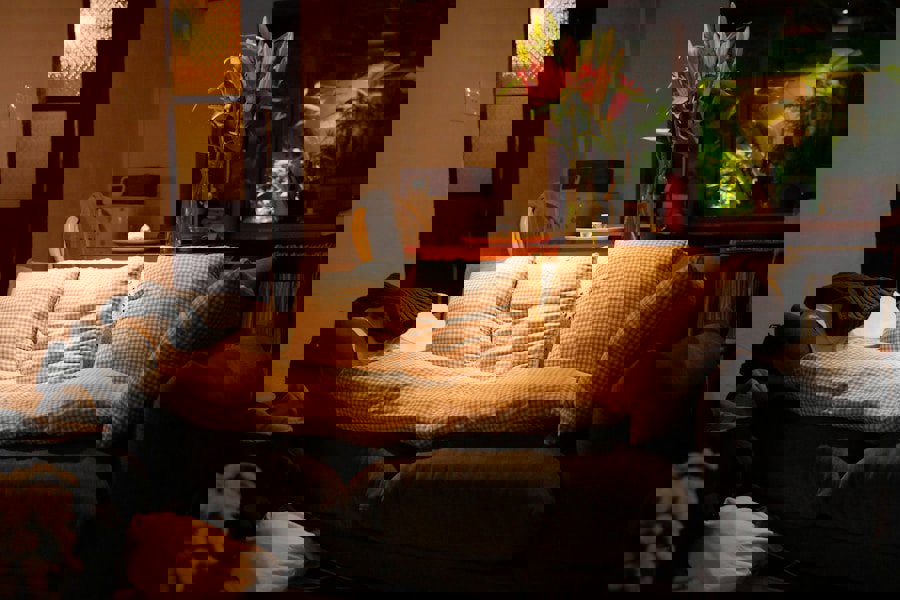
Photo by Howz Nguyen on Unsplash
Is Linen Upholstery Fabric Actually Durable Enough for Everyday Furniture?
Yes, especially when it's a linen blend. Pure linen is strong, but it can be prone to wrinkling and, over time, some fiber breakdown if it's used heavily without any reinforcement. A linen-polyester or linen-cotton blend typically solves both problems, giving you the look and feel of natural linen with added resistance to wear and wrinkling. For a sofa that sees daily use, look for a blend with at least 30 percent synthetic content and a double rub count of 25,000 or higher.
One thing worth being upfront about: linen does wrinkle. It's just part of the deal. But on upholstered furniture, those soft natural creases tend to read as "relaxed and lived-in" rather than "needs ironing." It's one of the reasons linen suits casual, comfortable spaces so well. A little imperfection is kind of the whole aesthetic.
Linen also responds well to upholstery applications because of how it drapes. It conforms naturally to furniture shapes without looking stiff or oversized, which is especially useful on curved pieces or tufted cushions where other fabrics can pull or bunch awkwardly.
The Best Ways to Use Linen Fabric in Your Home This Spring
Spring is honestly the perfect season to introduce linen upholstery. The natural, earthy tones that linen comes in, creams, warm beiges, soft greiges, dusty blues, earthy greens, align perfectly with the color palettes trending right now. And because linen is so breathable, it doesn't feel heavy or oppressive the way some heavier upholstery fabrics can during warmer months.
- Sofas and sectionals: Linen in neutral tones creates a relaxed, editorial look that works in both modern and traditional spaces. Cream and warm beige linen sofas are particularly popular right now.
- Accent chairs: This is a great low-commitment way to try linen. A single linen accent chair in a solid sage green or dusty blue can completely refresh a room for spring without a full redesign.
- Dining chairs: Linen holds up surprisingly well to dining room use, especially in blended form. It's easy to spot clean and the casual texture works beautifully with wood or rattan dining tables.
- Ottomans and benches: Low-impact upholstery pieces like ottomans and bedroom benches are ideal candidates for linen because they don't get the same friction wear as seating.
- Window seats and cushions: Linen's breathability makes it especially well-suited for window seat cushions where sunlight and airflow are constant factors.
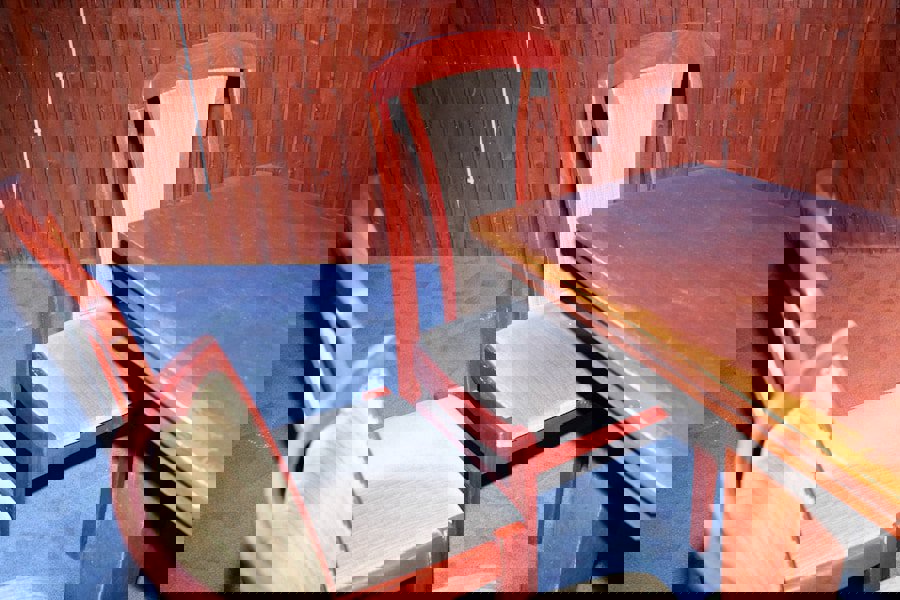
Photo by lukas waldmann on Unsplash
What Colors and Styles Work Best With Linen Upholstery?
The natural color range of undyed or lightly processed linen, those warm oatmeal and wheat tones, is part of what makes it so versatile. But linen takes dye beautifully, which is why you'll find it in everything from bright terracotta to deep navy. The texture of the weave adds depth to solid colors that a flat synthetic just can't replicate.
For spring 2025 specifically, the standout linen color trends lean into nature-inspired palettes. Soft greens, warm whites, sandy neutrals, and muted blues are all performing strongly in upholstery. These shades work well because they feel fresh and seasonal without being so trend-specific that they'll look dated in two years. Honestly, a warm cream linen sofa is one of the more timeless investments you can make in a living room.
Style-wise, linen is genuinely adaptable. It reads as relaxed and coastal in a bright, airy beach house. It looks quiet and sophisticated in a minimalist or Japandi-inspired space. It can even work in a more traditional room if the furniture silhouette is classic enough. The key is pairing it correctly: clean lines and natural materials tend to make linen shine.
How to Care for Linen Upholstery Fabric Without Ruining It
Linen care is simpler than most people expect. For routine maintenance, vacuuming with a soft brush attachment is enough to keep it looking fresh. For spills, the move is always to blot, not rub, using a clean cloth. Rubbing pushes the stain deeper into the fiber structure and can distort the weave.
Most linen upholstery fabrics are not designed for machine washing once they're on furniture, but many can be spot cleaned with a mild detergent solution and cold water. Always test any cleaning product on a hidden area first. Linen can be sensitive to harsh chemicals and some cleaners can affect the color or texture permanently.
Sun exposure is something to consider too. Natural linen can fade with prolonged direct sunlight, so if your furniture sits in a very sunny spot, look for solution-dyed linen or a linen blend that includes UV-resistant fibers. That one detail can significantly extend the life of the fabric in high-light environments.
Frequently Asked Questions
Q: Is linen a good fabric for upholstery?
Yes, linen is a good upholstery fabric, especially in blended form. It's naturally strong, breathable, and hypoallergenic. Linen blends with a double rub count of 25,000 or more are durable enough for everyday furniture use.
Q: Does linen upholstery wrinkle easily?
Linen does wrinkle more than synthetic fabrics, but on upholstered furniture this usually reads as a soft, natural texture rather than a flaw. Linen-polyester blends wrinkle significantly less than pure linen and are a practical choice for high-use pieces.
Q: What is the best way to clean linen upholstery fabric?
For everyday cleaning, vacuum linen upholstery with a soft brush attachment. For spills, blot immediately with a clean cloth and use a mild detergent solution with cold water for deeper stains. Always spot test any cleaner on a hidden area first, and avoid rubbing, which can damage the weave.