
Linen upholstery fabric doesn't try too hard. That's honestly one of the best things about it. While other fabrics are busy announcing themselves, linen just sits there looking effortlessly put-together, aging beautifully, and somehow making every piece of furniture underneath it look more expensive than it is. It's one of the oldest textile fibers in the world, and right now, in spring 2025, it's having a serious moment in American homes and design studios alike. If you're shopping for upholstery fabric and you haven't given linen a real look yet, this is your sign.
What Is Linen Upholstery Fabric, Exactly?
Linen is a natural fiber fabric made from the flax plant, and it's one of the strongest natural fibers available for upholstery use. Flax fibers are two to three times stronger than cotton fibers, which gives linen impressive durability for a fabric that looks and feels this light. It's breathable, temperature-regulating, and it gets softer with every wash and use cycle rather than wearing down and pilling the way some synthetic fabrics do.
For upholstery applications, linen is often blended with other fibers like cotton, polyester, or rayon to improve its abrasion resistance and reduce wrinkling. A quality linen-blend upholstery fabric can achieve a double rub count in the range of 15,000 to 30,000 double rubs, which is solid for light to medium everyday use. Pure linen tends to sit at the lower end of that range, so if you've got pets or kids who treat the sofa like a gymnastics mat, a linen blend is usually the smarter call.
Here's the thing: the slight texture and natural variation in linen weaves isn't a flaw. It's the whole point. Those subtle slubs and irregularities are what give linen its character, and they're what make a linen-upholstered chair look like something a designer sourced rather than something ordered in a rush.
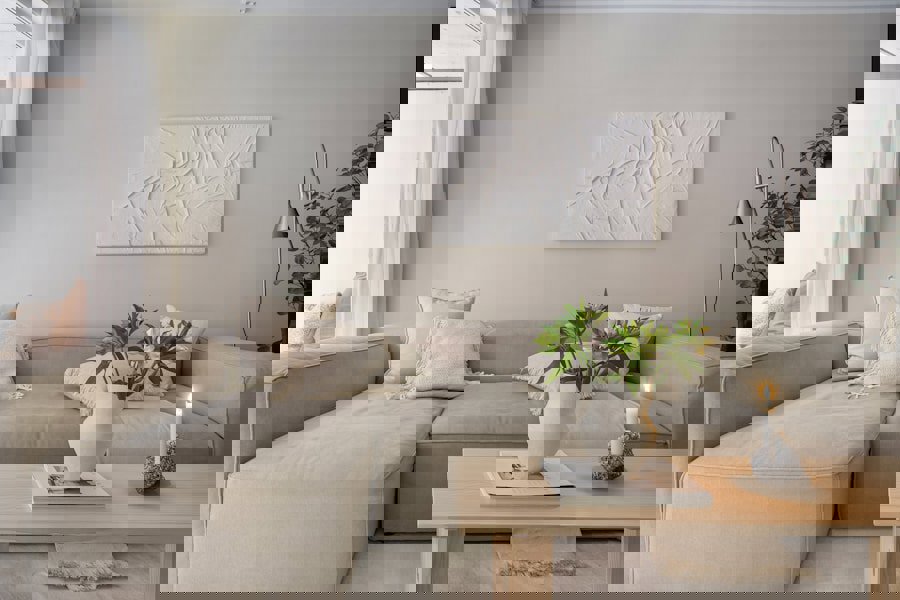
Photo by Alex Tyson on Unsplash
Why Linen Is Having Such a Big Spring Moment Right Now
Spring is the season when homeowners start pulling heavy drapes, swapping out dark throws, and rethinking furniture that felt cozy in January but now just feels heavy. Linen is the natural answer to that shift. Its neutral palette, which runs from warm oat and sand tones to soft greys and cool whites, works with the lighter, airier aesthetic that most people gravitate toward when the weather turns.
Interior designers are also leaning heavily into what's being called "quiet luxury" and "organic modern" right now, two overlapping aesthetics that linen fits into almost perfectly. The fabric has an inherent understated quality that pairs beautifully with natural wood furniture, rattan accents, and the earthy, warm-toned color stories that are dominating home decor in 2025. It doesn't clash. It doesn't compete. It just works.
Also, there's a sustainability angle worth mentioning. Flax is one of the least resource-intensive crops to grow, requiring significantly less water than cotton and very few pesticides. For homeowners who are making more conscious purchasing decisions, linen checks that box without asking you to compromise on style or feel.
What Is Linen Upholstery Fabric Best Used For?
Linen upholstery fabric is best suited for accent chairs, dining chairs, sofas in lower-traffic areas, headboards, and decorative cushion covers. It performs well in formal living rooms, guest bedrooms, and home offices where the look matters a lot and the abuse level is moderate rather than intense.
Accent chairs are probably linen's happiest place. A single linen-upholstered armchair in a neutral or natural tone can anchor an entire room without taking it over. Dining chairs are another excellent application, especially in a linen-cotton blend that can handle the occasional spill and regular chair-scraping without degrading too quickly.
Where linen needs a little backup is in high-traffic households. A linen-only sofa in a home with large dogs and three kids is probably going to show wear faster than you'd like. In those situations, look for a linen blend with at least 30 percent polyester content, which meaningfully improves the abrasion resistance and brings the double rub count up into more durable territory. Performance linen blends treated with a stain-resistant finish can push durability well past 30,000 double rubs while keeping that authentic linen look and texture intact.
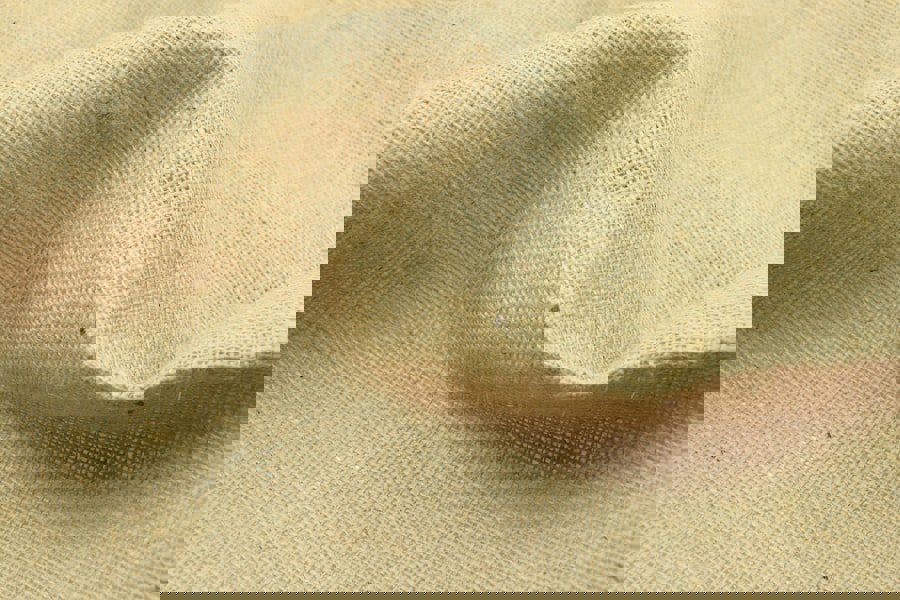
Photo by Divazus Fabric Store on Unsplash
How Do You Care for Linen Upholstery Fabric?
Linen upholstery fabric should be spot-cleaned with a mild detergent and cold water for most everyday spills and stains. Blot, don't rub. Rubbing spreads the stain and can damage the fiber structure of the weave. For deeper cleaning, many linen upholstery pieces can be vacuumed regularly with a soft brush attachment to remove dust and prevent fiber breakdown over time.
One thing linen doesn't love is prolonged direct sunlight. Natural linen fibers can fade and weaken with extended UV exposure, so if you're placing a linen-upholstered piece near a south-facing window, it's worth treating the fabric with a UV-protective spray or rotating the piece periodically. Linen blended with solution-dyed fibers will hold color significantly better under sun exposure than untreated natural linen.
Wrinkling is linen's most common complaint, and honestly, it's a fair one. Linen wrinkles. That's just its nature. The good news is that most people find the slightly lived-in look of a linen chair perfectly charming rather than sloppy, especially in casual or relaxed interior styles. If wrinkles genuinely bother you, a linen-polyester blend will resist them much better than pure linen.
Tips for Buying Linen Upholstery Fabric Online
- Always check the fiber content. "Linen-look" or "linen-style" fabrics are often polyester weaves that mimic linen's texture without the breathability or natural aging quality. If you want actual linen, the product listing should say flax or linen fiber content clearly.
- Look for the double rub count before you buy. For a sofa or dining chair, aim for at least 15,000 double rubs. For a decorative accent chair or headboard that won't see heavy use, you have more flexibility.
- Order a sample before committing to yardage. Linen's color and texture can look very different on a screen than in real life, especially in natural versus artificial light. Most reputable upholstery fabric retailers will offer sample swatches.
- Check the width of the fabric. Upholstery linen typically comes in 54-inch widths, which is standard. Narrower widths mean more seams if you're covering a large piece.
- Ask about or look for any applied finishes. Stain-resistant treatments and soil-repellent coatings can make linen significantly more practical without compromising its look.
Plus, if you're buying for a reupholstery project, factor in about 15 to 20 percent extra yardage for pattern matching, cutting errors, and directional weaves. Linen's slub texture usually doesn't require pattern matching the way a printed fabric does, but the extra yardage is still good insurance.
Frequently Asked Questions
Q: Is linen a good fabric for upholstery?Yes, linen is a good upholstery fabric for moderate-use furniture like accent chairs, dining chairs, and decorative cushions. It's durable, breathable, and gets softer over time. For high-traffic pieces, a linen blend with polyester offers better abrasion resistance, with quality blends reaching 25,000 to 30,000 double rubs or more.
Q: Does linen upholstery wrinkle easily?Pure linen does wrinkle fairly easily because of its natural fiber structure. A linen-polyester blend wrinkles significantly less while still delivering linen's characteristic look and breathability. Many homeowners find that linen's relaxed, slightly rumpled quality is part of its charm rather than a drawback.
Q: How do you clean linen upholstery fabric?For most spills, blot linen upholstery fabric immediately with a clean cloth, then spot-clean with mild detergent and cold water. Avoid rubbing, which can damage the weave. Regular vacuuming with a soft brush attachment helps maintain the fabric over time. Always check the care label on your specific fabric before applying any cleaning solution.