
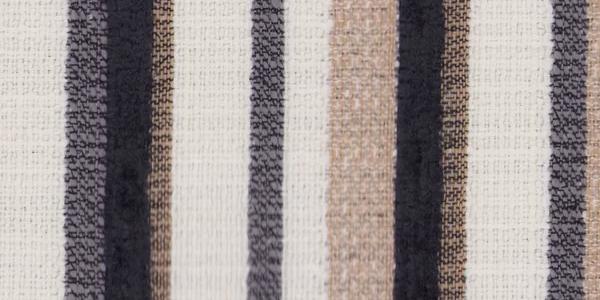
If you've ever ordered gorgeous striped or floral upholstery fabric and watched the pattern land sideways on your cushions, you've met the two trickiest concepts in fabric shopping: pattern repeat and railroading. A pattern repeat is the distance a design travels before it starts over, and getting it wrong means wasted yardage, mismatched cushions, and an upholsterer who sighs a lot. Get it right, and your jacquard motifs line up like they were tailor made for that sofa, because honestly, they kind of were.
What Is a Pattern Repeat in Upholstery Fabric?
A pattern repeat is the measurement, in inches or centimeters, of how far a design has to travel before the same motif appears again. Fabric mills print or weave patterns onto a continuous roll, so a floral, stripe, or jacquard medallion repeats over and over down the length of the bolt, and sometimes across its width too.
You'll usually see two numbers listed on a fabric spec sheet: the vertical repeat (how far down the roll before the pattern starts over) and the horizontal repeat (how far across the width). A large-scale floral might have a 27-inch vertical repeat, while a subtle stripe could repeat every 3 inches. Bigger repeats generally mean you need more fabric, because you can't just cut pieces wherever you want. You have to cut them so the pattern lines up from piece to piece.
Fun fact: solid fabrics and true random textures like boucle have no repeat at all, which is one reason solids remain the budget-friendly default for big furniture projects.
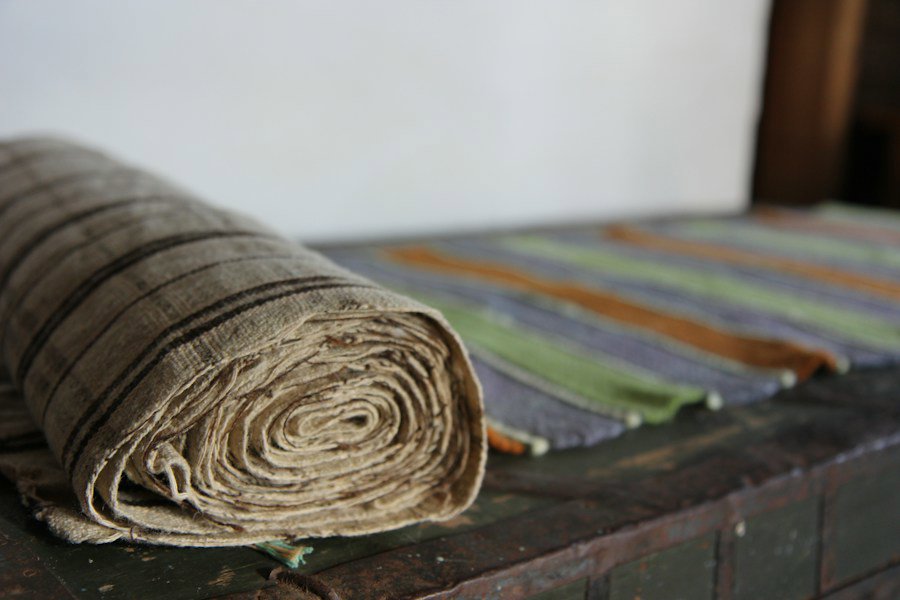
Photo by Pavel Neznanov on Unsplash
Railroaded vs. Non-Railroaded Fabric: What's the Difference?
Railroading refers to the direction a fabric's pattern runs relative to the fabric roll. A railroaded fabric has its pattern running horizontally along the length of the bolt, which lets an upholsterer cut a wide sofa back or long cushion in one continuous horizontal piece without seams.
Non-railroaded fabric, the more traditional setup, has the pattern running vertically up the roll, the same direction the fiber or weave typically runs. This is standard for most jacquards, florals, and classic stripes. Non-railroaded goods are usually cut "railroad style" by turning the fabric sideways on big pieces, but that only works cleanly if the pattern itself can tolerate being rotated 90 degrees, which stripes and geometrics generally can't without looking odd.
Here's the practical difference for your project: railroaded fabric is a dream for wide, seamless sofa backs because you avoid piecing narrow widths together. Non-railroaded fabric, especially directional florals or jacquards with an obvious "up" direction, requires more careful cutting and usually more yardage because every panel has to run the same way for the pattern to stay consistent.
A good upholsterer will always check whether a fabric is railroaded before quoting yardage, because mixing this up is one of the most common and expensive mistakes in custom upholstery work.
How Do You Calculate Extra Yardage for Pattern Matching?
The quick answer: take your base yardage estimate and add one extra pattern repeat for every cushion, cut, or seam where the design needs to continue unbroken, then round up to the nearest half yard.
Here's the formula in more detail. Say your sofa needs eight cut pieces (two arms, one back, three cushions, two inside panels) and your fabric has an 18-inch vertical repeat. For each piece after the first, you may need to "waste" fabric to get the pattern to start at the right point, so professionals typically add:
- One full repeat per cut piece for fabrics with repeats under 12 inches
- 1.5 repeats per cut piece for mid-size repeats between 12 and 24 inches
- Up to 2 full repeats per cut piece for large-scale florals or jacquards over 24 inches
As a real-world rule of thumb that most workrooms use: add 10 to 20 percent extra yardage to your base calculation for a patterned fabric with a repeat under 18 inches, and 20 to 35 percent extra for anything with a repeat over 24 inches. A standard 7-foot sofa that needs roughly 14 yards of solid fabric might realistically need 17 to 19 yards of a large-scale jacquard to keep everything matched.
This is also where railroading pays for itself. Because a railroaded fabric lets you cut wide pieces without piecing narrow widths together, you often avoid the repeat-matching waste entirely on long horizontal cuts like sofa backs, which can shave several yards off a large order.
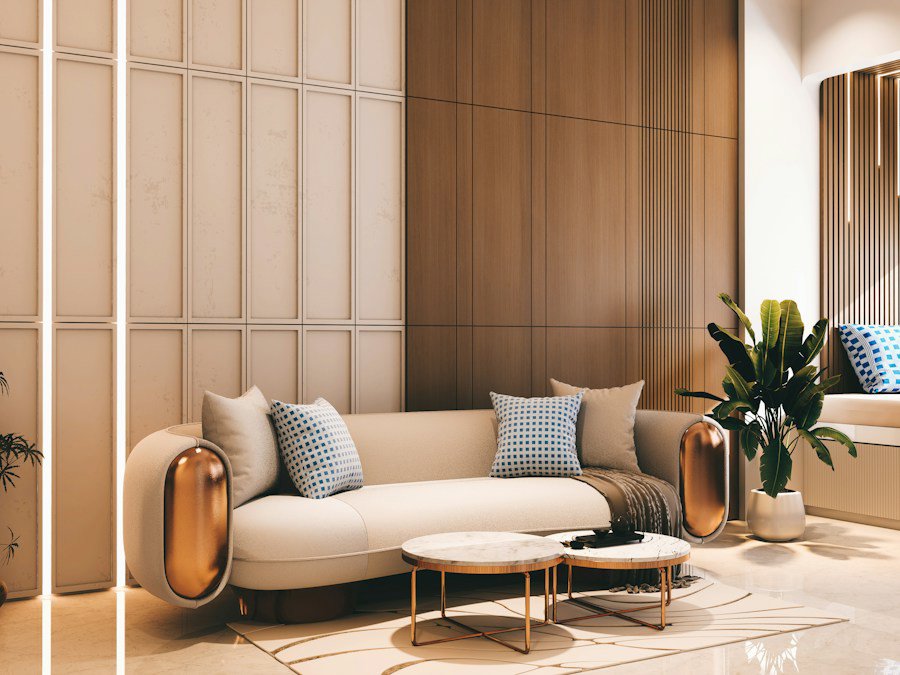
Photo by POOJAN THANEKAR on Unsplash
Why Pattern Matching Matters on Cushions, Backs, and Arms
A sofa is not one flat canvas, it's a collection of separate cut pieces sewn together, and each seam is a chance for a pattern to go sideways. If the stripe on your seat cushion doesn't align with the stripe on the deck beneath it, your eye catches it instantly, even if you can't explain why the piece looks "off."
Designers call this matching the pattern "railroad to railroad" or matching it at the seams, and it's especially critical on:
- Loose seat cushions, where a mismatched pattern against the deck fabric is the first thing guests notice
- T-cushion arms, where curved cuts can distort a repeat if yardage wasn't planned for it
- Back cushions against the frame, where a jacquard medallion needs to sit centered, not half-cut at the seam
If you're working with a bold jacquard upholstery fabric, this matters even more because the eye is drawn to the motif's symmetry. A crooked medallion on an otherwise beautiful grey jacquard fabric will bug you every single time you sit down, trust me.
Which Fabric Types Need the Most Careful Pattern Planning?
Large-scale florals, directional stripes, and intricate jacquards need the most planning, while textured solids and boucle need almost none. Here's how the common categories stack up.
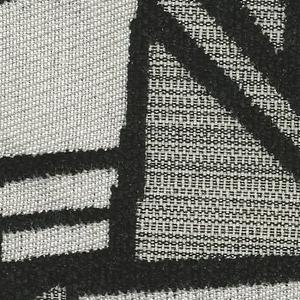
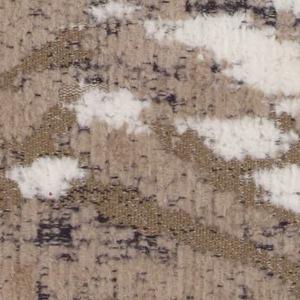
- Jacquard: Often has the largest repeats and the most intricate motifs, so it needs the most generous yardage buffer. A cream jacquard upholstery fabric with a damask-style medallion might have a repeat as large as 25 to 27 inches.
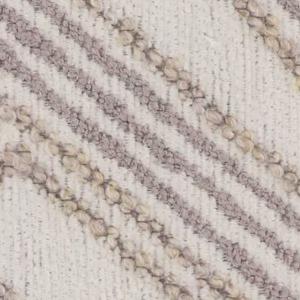
- Stripes: Simple to match in theory, but directional stripes can look crooked fast if the fabric isn't properly railroaded for the piece you're covering.
- Florals: Need careful centering on cushions and backs, especially asymmetrical designs that have an obvious top and bottom.
- Velvet and chenille solids: No repeat to worry about at all, which is part of why velvet upholstery fabrics stay so popular for budget-conscious reupholstery projects.
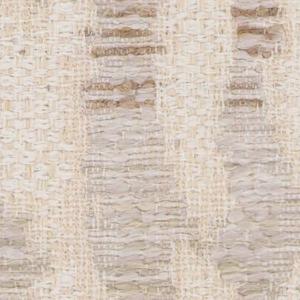
- Woven textures: Generally forgiving, though a strong woven plaid in woven upholstery fabric still benefits from a repeat check before you order.
Pattern repeat is a spec, not a guess, and a reputable fabric house will always list it on the product page or sample card. If it's not listed, ask before you order, because that one number changes your yardage math significantly.
Buying Tips for Fall Reupholstery Projects
Fall is prime reupholstery season, when families start fabric-proofing their homes before holiday guests, pets, and extra indoor time wear on the furniture. A few practical tips if you're pattern matching this time of year:
- Order 10 percent more fabric than your calculated total as insurance against dye lot variation and cutting mistakes
- Ask your upholsterer for a cutting layout before fabric is cut, especially on large repeats
- If durability matters as much as looks, check the double rub count. Fabric rated above 15,000 double rubs on the Martindale or Wyzenbeek abrasion test is considered suitable for heavy family and pet use
- Solution-dyed fabrics resist fading better near sunny fall windows, which matters if your pattern fabric sits in direct light
A patterned sofa with properly matched motifs reads as custom and intentional. A patterned sofa with mismatched stripes reads as a mistake, even if the fabric itself was expensive. The math is the difference.
Frequently Asked Questions
Q: What does "pattern repeat" mean on a fabric label?
Pattern repeat is the distance, usually listed in inches, that a design travels before the same motif appears again on the fabric. It's measured vertically and sometimes horizontally, and it directly affects how much yardage you need for a project with multiple cut pieces.
Q: Does railroaded fabric need less yardage?
Often yes. Railroaded fabric runs its pattern horizontally along the roll, which lets upholsterers cut wide pieces like sofa backs in one continuous seamless cut, reducing the extra yardage normally needed for pattern matching on large furniture.
Q: How much extra fabric should I order for a large pattern repeat?
As a general rule, add 10 to 20 percent extra yardage for repeats under 18 inches and 20 to 35 percent extra for repeats over 24 inches. Large-scale jacquards and florals typically need the higher end of that range to keep motifs aligned across cushions and seams.