
Why Pool Chemicals Destroy Most Upholstery Fabrics
If you've ever pulled your poolside cushions out of storage in June and found them faded, stiff, or streaked with bleach-like discoloration, you already know the problem. Standard upholstery fabrics are dyed after the fibers are woven, which means the color sits on the surface of the fabric. Chlorine from pool water, splash-back from hot tubs, and even the residue left by wet swimsuits can break down those surface dyes surprisingly fast. UV exposure speeds up the damage even further. The result is furniture that looks worn and washed out after just a season or two, even if the frame and cushion foam underneath are perfectly fine.
Choosing the right upholstery fabric for poolside chairs, sunroom sofas, or any space that sees regular chlorine contact isn't just about picking something waterproof. You need fabric engineered to resist chemical degradation at the fiber level, handle direct sun without fading, and still look good enough that you'd want to use it indoors too. That last part matters more than people realize. A lot of homeowners want furniture that transitions between a covered patio and an interior sunroom without looking like it belongs in a commercial gym locker room.
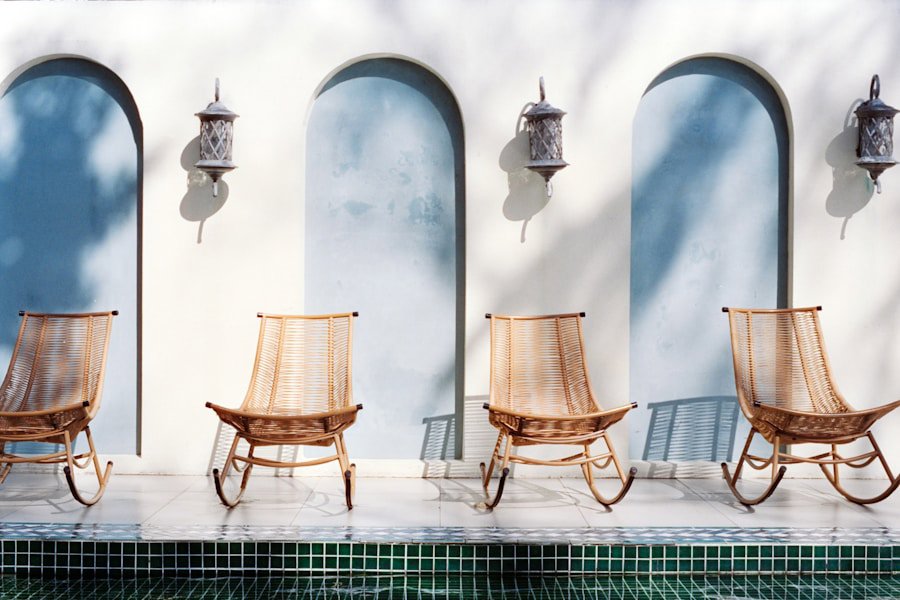
What Is the Best Upholstery Fabric for Chlorine and Chemical Resistance?
Solution-dyed acrylic is widely considered the most chlorine-resistant upholstery fabric available for residential use. Unlike standard fabrics where dye is applied after weaving, solution-dyed fibers are colored during the fiber-creation process itself, meaning the pigment is locked inside each individual strand rather than coating the outside. This makes the color chemically bonded to the fiber, not just sitting on top of it.
The practical result is significant. Solution-dyed acrylic fabrics can retain their color after repeated exposure to chlorinated water, direct sunlight, and general outdoor conditions that would strip the color from conventional upholstery within a single season. Many solution-dyed acrylics are tested to withstand hundreds of hours of UV exposure without noticeable fading, and they hold up well when cleaned with diluted bleach solutions, which is something almost no standard fabric can claim. If you're furnishing a covered pool deck, a hot tub surround, or a sunroom with significant sun exposure, solution-dyed acrylic is genuinely the top performer.
Vinyl and Faux Leather: The Waterproof Option With Trade-Offs
Vinyl upholstery fabric is completely non-porous, which makes it inherently resistant to pool water, chlorine, and chemical splashes. Water beads on the surface, chemicals can't penetrate the material, and cleanup is as simple as wiping it down. For hot tub surrounds, pool bar stools, or any seating that gets genuinely soaked rather than just splashed, vinyl is a practical, budget-friendly choice.
The trade-off is comfort in direct heat. Vinyl absorbs and holds heat from the sun, which means a vinyl-covered seat left in full sun on a July afternoon can get uncomfortably hot to sit on. If your poolside furniture sits under a pergola or shade sail, this is less of a concern. In a sunroom with significant solar gain, it's worth thinking through. Also, while vinyl is tough against moisture and chemicals, it can crack over time when exposed to prolonged UV radiation, so look for products specifically rated for UV resistance rather than assuming all vinyl performs the same way outdoors.
Faux leather behaves similarly to vinyl in terms of moisture resistance but is generally softer and more comfortable to the touch. Like vinyl, quality matters a lot here. A higher-grade faux leather with UV stabilizers built into the material will outlast a budget option by years in a sun-exposed setting.
Which Common Upholstery Fabrics Should You Avoid Near Pools?
Natural fibers like linen and cotton are genuinely beautiful fabrics, and both have a place in well-designed interiors. Near a pool or hot tub, though, they're the wrong tool for the job. Cotton absorbs moisture readily, holds it against the cushion foam, and creates conditions that lead to mildew, odor, and structural breakdown of both the fabric and the fill material underneath. Chlorine exposure accelerates fiber degradation in cotton, and even light bleach contact can cause visible discoloration within a single season.
Linen has similar moisture-retention issues and is even more susceptible to color loss when exposed to chemicals. It's also prone to wrinkling when wet, which compounds the problem. Save these fabrics for interior rooms that aren't in the splash zone.
Standard chenille and jacquard weaves, while durable for indoor upholstery, are typically dyed with surface-applied colorants and woven from blended fibers that aren't engineered for chemical exposure. They can be excellent choices for living rooms and bedrooms, but poolside use will shorten their lifespan significantly. The same goes for standard velvet. If a fabric isn't specifically marketed for outdoor or performance use, assume it isn't built for chlorine contact.
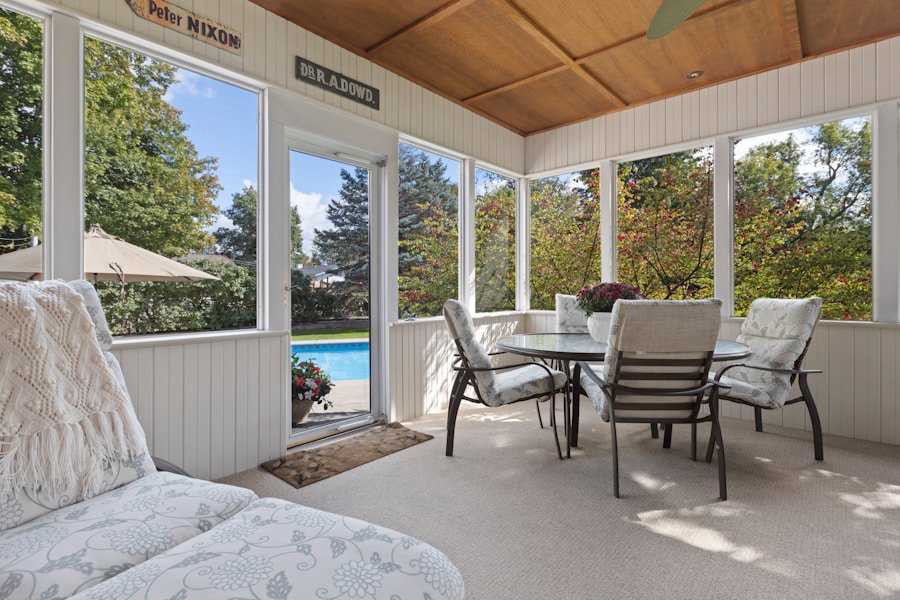
Photo by Point3D Commercial Imaging Ltd. on Unsplash
UV Fading and Sunroom Fabrics: What the Numbers Actually Mean
The double rub count is a standard measure of how well a fabric holds up to physical abrasion. One "double rub" simulates the friction of a person sitting down and standing up once. A fabric rated at 15,000 double rubs is considered suitable for light residential use; 30,000 or above is recommended for heavily used furniture. For poolside seating that gets constant, active use, aim for at least 30,000 double rubs.
UV resistance is measured separately, and this is where the difference between performance fabrics and standard upholstery becomes most visible. The Martindale abrasion test, commonly used in Europe, measures wear resistance in circular motions rather than back-and-forth, giving a slightly different picture of durability. For UV specifically, look for fabrics with a listed UV rating, often expressed as hours of direct UV exposure before measurable color change occurs. Solution-dyed acrylics typically carry ratings of 500 to 2,000 hours or more of UV resistance. Most standard decorative upholstery fabrics carry no UV rating at all, because they simply aren't designed for it.
For sunroom applications, even when a room is enclosed and dry, UV-rated fabrics matter because glass transmits significant UV radiation. A fabric that looks great in a north-facing living room can fade noticeably within a year in a south-facing sunroom. Performance fabrics designed for outdoor and high-UV environments are the smarter choice for any sun-heavy interior space, not just outdoor furniture.
How to Get Poolside Style Without Sacrificing Your Living Space Aesthetic
Here's the thing: performance fabrics have come a very long way in the past decade. The idea that chlorine-resistant or UV-stable fabrics have to look clinical or utilitarian isn't accurate anymore. Woven performance fabrics now come in sophisticated patterns, rich textures, and a wide range of colors, including the soft neutrals and earthy tones that are dominating home interiors this summer. Warm creams, earthy greens, and sandy beiges are all available in solution-dyed and performance-grade options that genuinely look at home in a well-styled sunroom or covered outdoor living space.
When shopping for upholstery fabric with chemical and UV resistance, look for these specific terms in product descriptions:
- Solution-dyed: Color is embedded in the fiber during manufacturing, not applied after weaving. This is the most reliable indicator of chlorine and fade resistance.
- UV stabilized or UV rated: The fabric or its finish has been tested for resistance to solar radiation.
- Performance fabric or outdoor-rated: Broad terms that usually indicate enhanced moisture and abrasion resistance. Always check what specific tests or ratings back up the claim.
- Mold and mildew resistant: Critical for any fabric used near water. Look for this alongside moisture resistance.
- Bleach cleanable: If a fabric is labeled bleach cleanable, it's almost certainly built with chemical resistance in mind, making it a strong candidate for poolside use.
Also, don't overlook color choice as a practical decision. Darker colors tend to show bleach streaking more dramatically if exposure does occur. Mid-tones and patterns are more forgiving if a splash goes unnoticed. Stripes and multi-colored woven patterns are a particularly smart choice for pool areas because pattern breaks up the visual evidence of any uneven wear over time.
Frequently Asked Questions
Q: Can regular upholstery fabric be used near a pool if I protect it with a spray-on fabric protector?Spray-on fabric protectors add a surface barrier against moisture and light staining, but they don't protect against the chemical degradation that chlorine causes at the fiber level. A protector will buy you a little time, but it won't make a standard decorative fabric genuinely chlorine-resistant. For any seating that regularly contacts pool water, chemical splashes, or wet swimsuits, a performance fabric with built-in resistance is the reliable choice.
Q: What is solution-dyed acrylic and why does it resist chlorine better than other fabrics?Solution-dyed acrylic is a synthetic fabric where the color pigment is added to the liquid acrylic fiber before it's formed into a strand, locking the dye inside the fiber rather than coating the outside. Because chlorine attacks surface dyes rather than fiber-integrated pigment, solution-dyed fabrics maintain their color even after repeated chlorine exposure. This is why solution-dyed acrylic is the standard choice for marine upholstery, outdoor cushions, and high-exposure seating environments.
Q: Is vinyl upholstery fabric a good choice for hot tub surrounds?Vinyl is one of the most practical choices for hot tub surrounds because it's completely non-porous, easy to wipe down, and unaffected by chemical splashes or moisture. The key is choosing a vinyl rated for UV resistance if the area receives direct sun, since cheaper vinyl can crack and degrade under prolonged UV exposure. For shaded or covered hot tub areas, standard commercial-grade vinyl upholstery fabric works very well and is easy to maintain long-term.