
Spring Upholstery Fabrics: Why the Blend Matters More Than You Think
If you've ever sat on a sofa in late May and felt the back of your legs stick to the cushion, you already understand the problem. Pure synthetics can trap heat. Pure natural fibers breathe beautifully but tend to wear out faster, stain more easily, and show every pilling incident your cat decided to sponsor. Spring upholstery fabric blends sit right in the middle of that tension, and when they're done well, they genuinely solve both problems at once.
The sweet spot most fabric manufacturers are hitting right now is a cotton-linen base blended with a percentage of polyester or acrylic. You get the open weave and breathability of natural fibers doing the heavy lifting, while the synthetics quietly handle durability, shape retention, and stain resistance in the background. It's a pretty elegant arrangement, honestly.
This guide walks you through exactly what those blends are made of, which ones hold up to real family life, and how to shop for them with confidence. No trade school required.
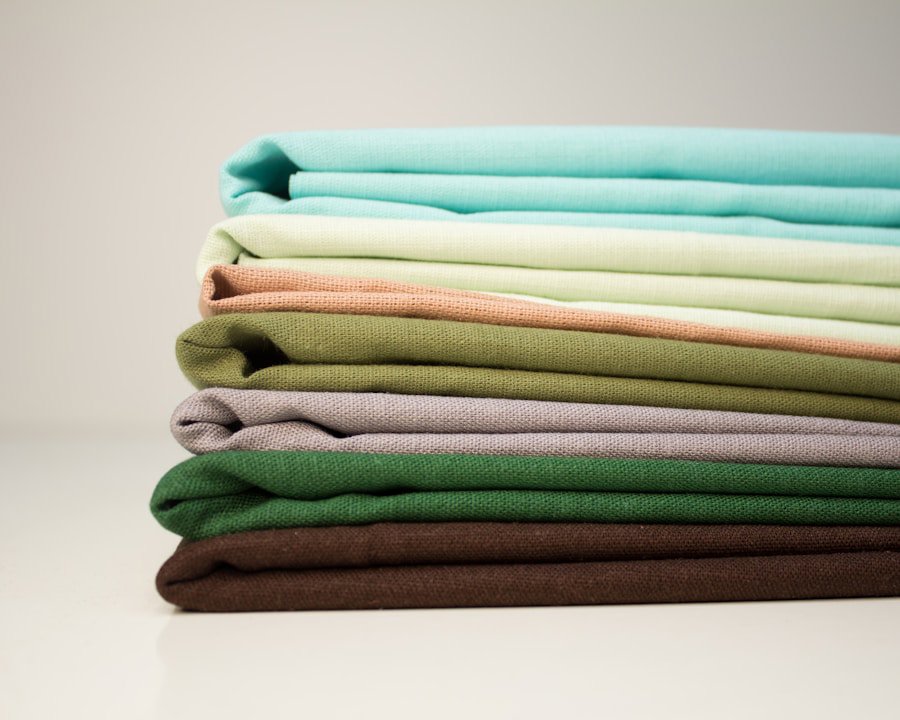
Photo by Ekaterina Grosheva on Unsplash
What Makes Cotton and Linen Good Choices for Spring Upholstery?
Cotton and linen are breathable because of how their fibers are structured at a microscopic level. Both are cellulose-based natural fibers with a hollow core that allows air to circulate and moisture to wick away from the surface. That's why a cotton or linen-covered chair feels noticeably cooler to sit on compared to a polyester-heavy fabric on a warm afternoon.
Linen, specifically, is one of the most breathable upholstery fibers available. It absorbs moisture without feeling damp, dries quickly, and has a naturally textured, casual look that fits right in with current spring decor trends, think light neutrals, earthy tones, and that relaxed organic aesthetic that's been all over interior design feeds lately. Cotton brings a softer hand feel and takes dye really well, which is why you'll find it in so many printed and woven upholstery designs.
Here's the thing, though: both fibers have real limitations on their own.
- Cotton can pill, fade in direct sunlight, and absorb stains quickly without a protective finish.
- Linen wrinkles easily, can feel scratchy in lower-quality weaves, and tends to wear at stress points like seat edges faster than synthetics do.
- Neither fiber alone is going to shrug off a juice spill or survive a dog who thinks the armrest is a chew toy.
That's exactly where the blend comes in.
How Synthetic Fibers Make Natural Blends Actually Work for Families
Polyester and acrylic don't get a lot of love in the fabric conversation, but they deserve some credit. When blended with cotton or linen, they add durability and performance without replacing the qualities that make natural fibers worth using in the first place.
A cotton-polyester blend with roughly 55% cotton and 45% polyester is a common, well-tested combination for upholstery. The cotton keeps the hand feel soft and the surface breathable, while the polyester adds abrasion resistance and helps the fabric hold its color longer. In terms of durability, a good quality cotton-poly upholstery blend typically achieves 30,000 to 50,000 double rubs. A double rub count measures how many back-and-forth abrasion cycles a fabric can handle before it starts to break down, and anything above 15,000 is considered suitable for residential use with regular daily activity.
Acrylic blends, particularly those using solution-dyed acrylic fibers, are worth knowing about if you have a sunlit room. Solution-dyed acrylic means the color is locked into the fiber during manufacturing rather than applied to the surface afterward. The result is a fabric that resists fading significantly better than surface-dyed alternatives, and it also tends to resist mildew, which is a bonus if you live somewhere humid. Some solution-dyed acrylic blends with linen or cotton backing hold up to outdoor or high-traffic indoor use with double rub counts exceeding 50,000.
A few practical things blended fabrics do better than pure naturals:
- Resist pilling and surface wear over time
- Maintain shape in seat cushions and arm panels without sagging
- Accept performance finishes, like stain repellents, more effectively
- Dry faster if they get wet, which matters with kids in the picture
What Is the Best Upholstery Fabric Blend for Homes with Kids and Pets?
For most families, a linen-polyester or cotton-polyester blend with a stain-resistant finish is the most practical spring upholstery choice. It gives you breathability where you need it and a fighting chance against the chaos that comes with daily family life.
Look for blends that advertise a double rub count of at least 25,000 for a sofa or main seating piece. Chairs with lighter use can go a bit lower, but your main couch takes a beating and needs the extra durability. If the product listing doesn't mention a double rub count at all, that's worth noticing.
Woven upholstery fabrics, including many cotton-linen-poly blends in a tight weave, tend to outperform loosely woven fabrics in pet-heavy homes. Loose weaves give claws more to catch on. A tighter construction resists snagging better and is easier to clean with a lint roller or damp cloth.
Chenille blends are honestly underrated for this exact situation. A chenille fabric with a cotton or linen face and a synthetic backing gives you a soft, inviting texture that also cleans up surprisingly well. The pile construction means pet hair doesn't embed the way it does in some flatweaves. It's a tactile win and a practical one.
What to prioritize when shopping blended upholstery for families:
- Double rub count of 25,000 or higher for sofas and high-traffic seating
- Tight weave construction to resist snagging and pet claws
- A stain-resistant finish or solution-dyed fiber content for easy cleanup
- Medium to darker tones or patterns if you're practical about hiding everyday marks, at least until the kids are older
- Machine-washable covers if the construction allows it, worth checking the product details
Spring Color and Pattern Trends in Blended Upholstery Fabrics
One of the quiet benefits of cotton and linen blends is that they take color and pattern particularly well. Cotton especially has a natural affinity for dye, which is why you'll find the best printed upholstery fabrics in cotton-poly or cotton-linen-poly blends.
This spring, the palette leaning into natural-fiber upholstery is full of soft greens, warm creams, sandy beiges, and earthy browns, colors that feel calming and grounded without being boring. Floral prints are back in a big way, but in a more stylized, graphic form rather than the fussy traditional florals of earlier decades. Multi-color woven patterns in warm neutrals are also having a strong moment, particularly in striped and textured designs that give a sofa visual interest without committing to a bold color you might want to change in two years.
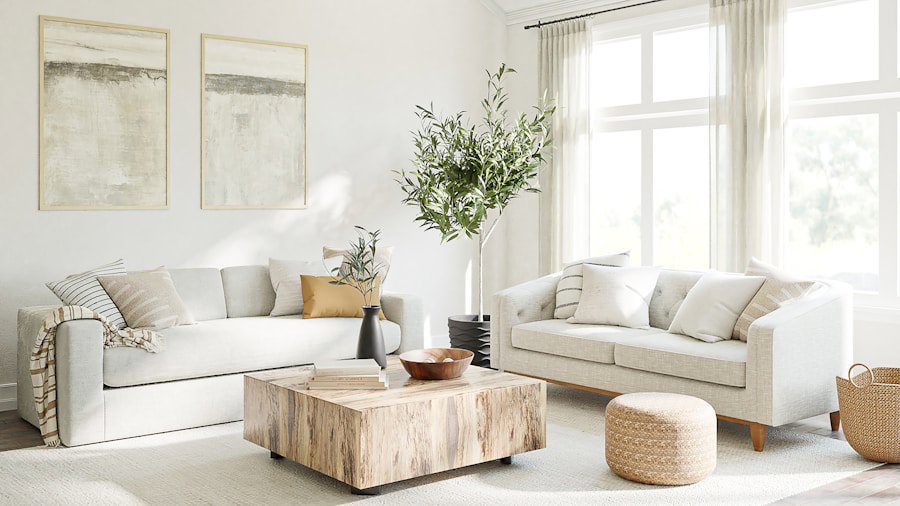
If you're updating a living room this spring, a cream or natural linen-blend fabric on a sofa pairs well with accent pillows or throws in green, blue, or soft terracotta. It's a current look that also photographs well, which shouldn't matter but somehow always does.
How to Read a Fabric Label Before You Buy
Fabric content labels can feel like a foreign language, but a few basics go a long way. The fiber content percentage tells you what you're actually getting. A label reading "55% linen, 45% polyester" is a genuinely good blend for spring upholstery. A label reading "95% polyester, 5% linen" is mostly polyester with a marketing headline.
Check for these details when shopping upholstery fabric online:
- Fiber content percentage, natural fiber should be at least 40% or higher for the breathability benefit to be real
- Double rub count, aim for 25,000 or above for residential upholstery
- Cleaning code, W means water-based cleaners, S means solvent only, WS means both work, X means vacuum only. W and WS are the most family-friendly.
- Width of the fabric, 54 inches is standard for upholstery. Narrower fabric means more seams or more yardage needed.
- Repeat size for patterned fabric, larger pattern repeats require more yardage to match at seams, which affects your total cost.
Shopping at a dedicated upholstery fabric retailer like Famcor Fabrics means these details are listed clearly, so you're not guessing what you're buying before it ships.
Frequently Asked Questions
Q: What is the most breathable upholstery fabric for spring and summer?Linen and cotton are the most breathable upholstery fabrics for warm weather because their natural fiber structure allows air to circulate and moisture to move away from the surface. A linen-polyester or cotton-linen blend gives you that breathability while adding enough synthetic content to improve durability and stain resistance for everyday use.
Q: How do I know if a blended upholstery fabric is durable enough for kids and pets?Look for a double rub count of at least 25,000, which measures how many abrasion cycles the fabric withstands before breaking down. For families with kids and pets, a tightly woven cotton-polyester or linen-polyester blend with a stain-resistant finish offers the best combination of durability and easy cleanup.
Q: Can I use a cotton-linen blend fabric on a sofa if I have pets?Yes, as long as the blend includes a synthetic component like polyester and has a tight weave construction. Pure cotton or pure linen alone tends to snag and wear faster in pet-heavy homes. A cotton-linen-polyester blend with a double rub count above 25,000 and a stain-resistant finish is a practical and comfortable choice for homes with pets.