

Why Spring Is the Best Time to Think About Upholstery Fabrics
Choosing the right spring upholstery fabrics isn't a small decision. The fabric covering your sofa, armchair, or dining bench affects how cool you feel sitting on it in July, how well it holds up to a spilled lemonade, and whether it still looks good three years from now. And spring is honestly the perfect moment to think about this, because you're about to spend a lot more time with your furniture. Windows open, more daylight, more people in the house. Your upholstery is going to work hard.
Natural fibers, specifically cotton, linen, and wool blends, have been the go-to for warm-weather upholstery for centuries. There's a reason for that. These fibers breathe. They allow air to circulate between the fabric and your skin, which makes a real difference on a warm afternoon compared to sitting on polyester or vinyl. But breathability is just one part of the story. Durability, cleanability, and how a fabric handles humidity all matter too, and each natural fiber handles those things differently.
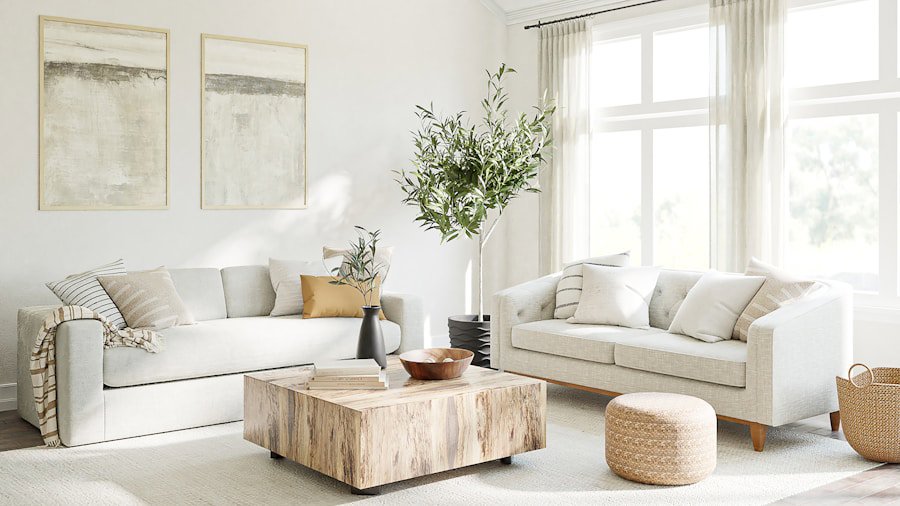
What Makes a Fabric "Breathable" and Why It Matters for Comfort
Breathability in upholstery fabric means the fiber structure allows air and moisture to pass through rather than trapping heat against your body. Natural fibers have an open, porous cell structure that synthetic fabrics generally can't replicate. Cotton and linen, in particular, absorb moisture and release it into the air, which keeps the surface of the fabric from feeling clammy or sticky in warm weather.
For a practical comparison: a tightly woven polyester fabric can raise the surface temperature at the point of contact noticeably on a warm day. Natural fiber fabrics like linen tend to stay closer to room temperature. That's not a minor comfort detail when you're sitting on a sofa for a few hours on a Sunday afternoon in May.
Breathability also impacts durability over time. Fabrics that trap moisture create conditions where mildew, odor, and fiber breakdown are more likely, especially in humid climates. Choosing a breathable natural fiber helps your upholstery stay fresher for longer, which means less cleaning and a longer lifespan.
Cotton Upholstery: The Reliable All-Rounder for Spring
Cotton is probably the most familiar natural fiber, and it earns its reputation. It's soft, breathable, easy to dye in a wide range of colors, and generally easy to clean. For spring upholstery, cotton works especially well in living rooms, family rooms, and anywhere kids or pets are part of the picture.
One thing to understand about cotton upholstery is the double rub count. This is a measurement of abrasion resistance: a "rub" counts each back-and-forth pass of a testing machine over the fabric surface. The higher the count, the more durable the fabric. A double rub count of 15,000 is generally considered the minimum for residential use, while anything above 30,000 is a solid choice for high-traffic seating. Quality cotton upholstery fabrics typically fall between 15,000 and 40,000 double rubs, depending on the weave construction.
Cotton does have one honest weakness: it can fade with prolonged sun exposure. If your living room gets strong afternoon sun through south- or west-facing windows, look for solution-dyed cotton or a cotton blend with UV-resistant properties. Solution-dyed means the color was added to the fiber itself during production rather than printed on the surface, which makes the color far more resistant to fading.
- Best rooms for cotton upholstery: Living rooms, family rooms, home offices, kids' playrooms
- Best climates: Works well in most climates; especially good in dry to moderate humidity environments
- Care tip: Many cotton upholstery fabrics are spot-cleanable with mild soap and water. Check the cleaning code on the fabric label: "W" means water-safe, "S" means solvent only, "WS" means either.
What Is the Best Natural Fiber for Hot, Humid Climates?
Linen is the single best natural fiber for warm, humid conditions. It absorbs up to 20% of its weight in moisture before it even starts to feel damp, and it releases that moisture quickly, which keeps it feeling dry and comfortable even in sticky summer weather.
Linen comes from the flax plant and has a naturally textured, slightly slubby appearance that makes it look effortlessly casual and current. It fits beautifully into the airy, relaxed interiors that are everywhere in spring home decor right now: think soft neutrals, natural wood tones, lots of texture, not a lot of fuss. Linen upholstery in cream, beige, or soft grey reads as clean and modern without trying too hard.
The honest trade-off with linen is that it wrinkles. Not in a terrible way, but if you want a fabric that stays perfectly pressed, linen isn't it. Most people find the relaxed texture adds to the look rather than detracts from it, but it's worth knowing upfront. Linen also softens beautifully with use, which means it actually gets more comfortable over time.
For durability, linen is surprisingly strong. The Martindale abrasion test, which measures fabric wear resistance by rubbing a standard material across the fabric surface in a circular pattern, rates quality linen upholstery fabrics at 25,000 to 50,000 cycles for residential use, making it a genuinely practical choice beyond its good looks.
- Best rooms for linen upholstery: Sunrooms, bedrooms, reading nooks, living rooms with good ventilation
- Best climates: Excellent for humid climates, coastal environments, and anywhere summers are long and warm
- Care tip: Many linen upholstery fabrics are spot-cleanable. Avoid soaking, which can cause shrinkage or water marks. A linen-cotton blend adds easier care without losing much of the breathability benefit.
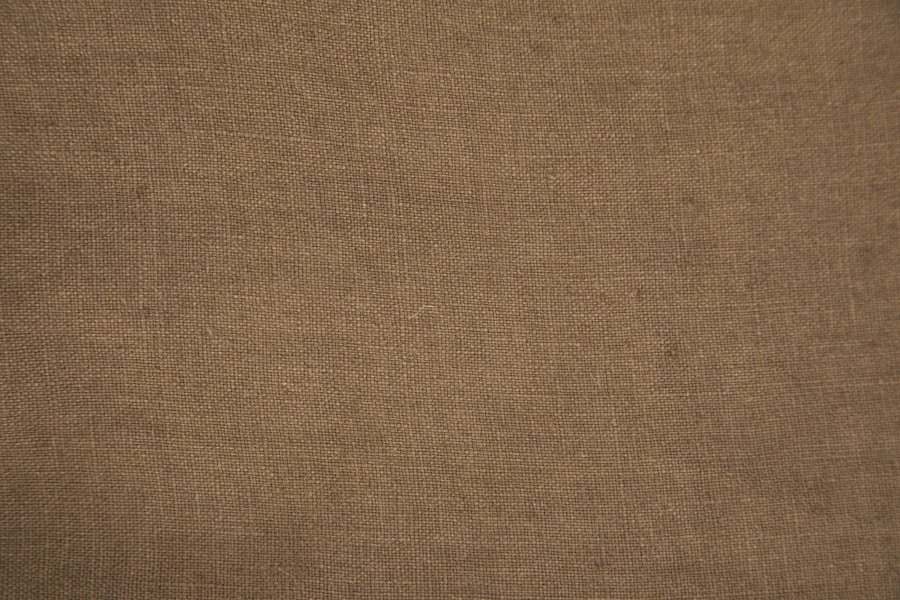
Photo by engin akyurt on Unsplash
Wool Blends: The Underrated Spring Option You Might Be Overlooking
Wool upholstery sounds like a winter idea, but honestly that's a misconception worth correcting. Wool is a temperature-regulating fiber. It keeps you warm when it's cold and cool when it's warm, because the fiber structure responds to body heat and moisture. A quality wool blend upholstery fabric can be genuinely comfortable year-round, including spring and early summer.
Wool blends, meaning wool combined with synthetic or other natural fibers, are especially practical for upholstery because pure wool can be expensive and can pill with heavy use. A wool-nylon or wool-polyester blend typically performs better in high-traffic seating while keeping the thermal regulation and texture benefits of wool. These blends commonly achieve double rub counts of 30,000 to 100,000, depending on construction, making them among the most durable options in the natural fiber category.
Wool also has natural stain resistance due to the lanolin content in the fiber, which creates a slight moisture-repelling effect. It's not waterproof, but spills tend to bead briefly rather than absorbing instantly, which gives you a bit more time to blot and clean. For households with kids or pets, that matters.
- Best rooms for wool blend upholstery: Living rooms, studies, formal sitting rooms, anywhere you want texture and warmth in the look without heaviness
- Best climates: Ideal for temperate climates with variable spring weather; also works well in air-conditioned homes year-round
- Care tip: Vacuum regularly to prevent pilling. Most wool blends are dry-clean or professional-clean only, so factor that into your decision.
Matching Natural Fiber Fabrics to the Right Room
Picking the right fiber is half the job. Matching it to how a room is actually used is the other half. Here's a practical breakdown:
- High-traffic living rooms with kids and pets: Go with a tightly woven cotton or a cotton-linen blend. Look for a double rub count above 25,000. Darker colors or patterns hide everyday wear better than pale solids.
- Sunrooms and screened porches: Linen or a linen blend is ideal. If the space gets direct sun, look for a solution-dyed or UV-treated option. A floral or stripe in linen looks especially good in a spring sunroom.
- Bedrooms and reading chairs: This is where you can prioritize feel over durability. Softly textured linen or a light wool blend in a neutral or muted color creates a calm, restful environment without overcomplicating things.
- Dining chairs: Cotton or a cotton-linen blend works well here. You want something that cleans easily and doesn't trap food odors. A tight weave helps with both.
- Home offices: Wool blend or cotton with a mid-to-high double rub count. You're sitting on this for hours at a time, so comfort and durability both matter. A solid or simple woven texture tends to stay looking professional.
Quick Tips for Buying Natural Fiber Upholstery This Spring
Before you order, a few things worth checking:
- Always order a fabric sample before committing. Colors read differently on a screen versus in your actual room with your specific lighting.
- Check the cleaning code. It's usually stamped on the selvage edge or listed in the product details. W, S, WS, or X (dry clean only or professional only) tells you exactly how to care for it.
- Ask about or look for the double rub count in the product specs. For a sofa in a busy household, don't go below 25,000.
- If you're in a humid climate, lean toward linen or a linen blend and avoid very thick, dense weaves that take longer to dry after cleaning.
- Natural fibers often come in beautiful seasonal colors right now. Soft greens, warm creams, dusty blues, and blush tones are all having a moment in spring interiors, and they translate beautifully into cotton and linen upholstery weights.
Frequently Asked Questions
Q: What is the most breathable upholstery fabric for warm weather?
Linen is the most breathable natural upholstery fabric for warm weather. It absorbs moisture and releases it quickly, which keeps the fabric surface cool and dry even in humid conditions. Cotton is a close second and is generally easier to find in upholstery-grade weights at a range of price points.
Q: How durable is linen upholstery fabric for everyday use?
Quality linen upholstery fabric is quite durable for everyday residential use, typically rated at 25,000 to 50,000 cycles on the Martindale abrasion test. Linen also strengthens slightly when wet, which is unusual for a natural fiber and makes it a practical choice for active households.
Q: Is cotton or linen better for upholstery if I have pets?
A tightly woven cotton or cotton-linen blend is generally the better choice for pet households. Cotton is easier to spot-clean, tends to be more widely available in stain-treated versions, and a tight weave makes it harder for pet hair to embed in the fabric. Look for a double rub count above 25,000 for the best wear resistance in a home with pets.
