
Spring Upholstery Fabrics with Stain Resistance: What You Actually Need to Know
Spring is one of the best times to reupholster a sofa or refresh a worn-out chair, and right now the color palette couldn't be more inspiring. Soft sage greens, warm creams, dusty blues, and earthy terracottas are everywhere in home decor. The tricky part isn't finding something beautiful. It's finding something beautiful that won't look defeated six months after the kids and pets get involved. That's where spring upholstery fabrics with stain resistance and performance finishes come in, and honestly, the technology has come a long way.
The good news is you don't have to choose between a fabric that looks like it belongs in a design magazine and one that can handle a spilled glass of juice. The two can absolutely coexist. You just need to know what to look for and what the labels actually mean.
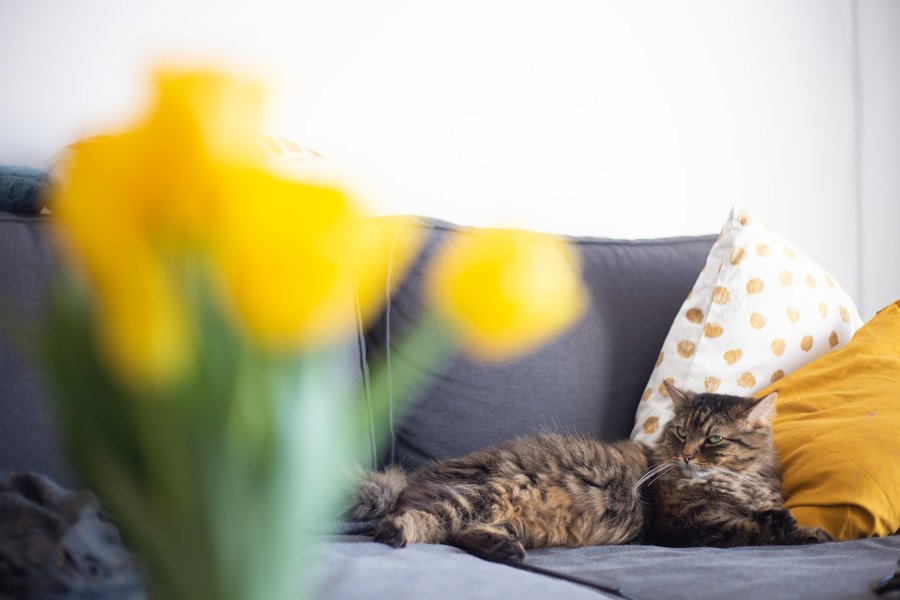
Photo by Alicja Gancarz on Unsplash
What Are Performance Fabric Finishes and How Do They Work?
Performance finishes are protective treatments applied to upholstery fabrics to resist stains, moisture, wear, and sometimes even bacteria. They work either as a topical coating added after the fabric is woven, or they're engineered directly into the fiber itself during manufacturing. That distinction matters more than most people realize.
Here's a quick rundown of the main technologies you'll see referenced:
- Scotchgard: One of the most recognized names in fabric protection. Scotchgard is a topical fluoropolymer-based treatment that creates a barrier on the surface of the fabric, causing liquids to bead up rather than absorb. It works well on a wide variety of fabrics and can be reapplied after cleaning. The catch is that it does wear off over time, especially with heavy use or frequent washing.
- Crypton: A step up from a surface coating. Crypton is a performance fabric system where moisture, stain, and odor resistance are built directly into the fiber structure. It also contains an antimicrobial agent, which makes it popular for households with pets. Crypton-treated fabrics resist staining at the fiber level, so the protection doesn't wash away the same way a topical finish can.
- Teflon Fabric Protector (now called Teflon EcoElite): Similar to Scotchgard in concept, this is a topical repellent treatment that helps liquids and oil-based stains bead off the surface. It's often used on microfiber and woven upholstery fabrics.
- Solution-dyed acrylic: This is a fiber-level technology rather than a finish. In solution-dyed fabrics, the color is added to the liquid fiber before it's spun into yarn, meaning the dye goes all the way through. Solution-dyed acrylic fabrics are highly resistant to fading, moisture, mildew, and staining. They're commonly found in outdoor upholstery but are increasingly used indoors because of their durability.
- Nanotechnology coatings: Some newer performance fabrics use nano-scale coatings that bond to individual fibers and repel both water and oil at a microscopic level. These tend to be highly durable and breathable.
The honest takeaway: if you have a high-traffic household, look for fabrics where protection is built into the fiber rather than just applied to the surface. A topical finish is better than nothing, but fiber-level performance lasts longer.
What Is the Most Durable Upholstery Fabric for Stain Resistance?
For most households balancing durability with visual appeal, Crypton-treated fabrics and solution-dyed acrylics consistently outperform surface-coated alternatives in long-term stain and wear resistance. That said, "durable" depends partly on what kind of wear you're dealing with.
When fabric people talk about durability, one of the most important numbers is the double rub count. This is simply the number of times a fabric can be rubbed back and forth before it starts to show wear. For a frame of reference:
- Light residential use: 15,000 double rubs is generally acceptable
- Heavy residential use (think kids, pets, daily sofa traffic): 25,000 to 30,000 double rubs is a safer target
- Commercial-grade durability: 100,000+ double rubs
You may also see the Martindale abrasion test referenced, which is a European standard that measures similar wear resistance using a circular rubbing motion. A Martindale rating of 20,000 cycles is a solid benchmark for residential upholstery.
In terms of specific fabric types, here's how some popular spring options stack up:
- Velvet: Velvet gets a bad rap for being high-maintenance, but performance velvet treated with Crypton or Teflon EcoElite is genuinely practical. It's also having a major spring moment in sage green and dusty rose. Look for velvet with a double rub count above 25,000.
- Chenille: Honestly, chenille is criminally underrated in this conversation. It's naturally soft, has a high double rub count when woven tightly, and takes performance finishes well. Spring-toned chenille in warm cream or earthy brown is a really good call right now.
- Linen blends: Pure linen wrinkles and stains easily, but linen-blend fabrics with polyester or nylon content hold up much better. A Scotchgard-treated linen blend gives you that relaxed spring aesthetic without the fragility.
- Faux leather and vinyl: These are naturally resistant to liquids since they don't absorb moisture. They clean up fast and wear well. Modern faux leathers now come in soft, matte finishes that look genuinely elegant rather than plasticky.
- Boucle: Big in spring decor trends right now, and it pairs surprisingly well with topical stain treatments. The loopy texture can trap debris, so a strong stain-resistant finish helps. Opt for tighter boucle weaves with a higher double rub count.
Spring Color Trends That Work with Performance Fabrics
One concern people often have is whether performance-treated fabrics come in the colors and textures they actually want. The short answer is yes, and the selection has expanded significantly. You're not limited to beige and taupe anymore.
This spring, the standout color directions in upholstery are:
- Sage and eucalyptus greens: These earthy, muted greens are appearing everywhere and translate beautifully into velvet and woven fabrics with stain-resistant finishes.
- Warm neutrals: Cream, linen-white, and warm beige are perennial spring choices that also happen to be where stain resistance matters most. A Crypton-treated cream chenille is a genuinely smart move for a family living room.
- Dusty blue and slate: Soft blue tones in performance velvet or jacquard weaves strike a good balance between trend-forward and timeless.
- Terracotta and burnt orange: These warmer tones feel fresh in spring when paired with natural textures. Solution-dyed options in this range hold their color exceptionally well under UV exposure.
- Soft blush and mauve pink: These are having a real moment, especially in boucle and chenille textures. A performance finish on a pink fabric might seem overly cautious, but it's the detail that turns a pretty sofa into a practical one.
The key with any performance fabric is to check whether the finish was applied before or after dyeing. Post-dye finishes can sometimes dull or slightly alter the color. Fiber-integrated performance treatments preserve color depth and vibrancy better over time.
How to Shop for Stain-Resistant Upholstery Fabric Without Getting Overwhelmed
Shopping for performance upholstery fabric comes down to a few practical checkpoints. Run through these before you commit to a yard count:
- Check the double rub count. Look for at least 25,000 for sofas and chairs with daily use. The product listing should include this information.
- Identify the protection type. Is it a topical finish like Scotchgard, or is it built into the fiber like Crypton? For high-use areas, fiber-integrated is the better long-term investment.
- Look at the fiber content. Fabrics with polyester, nylon, or acrylic content alongside natural fibers tend to hold up better to cleaning and wear than 100% natural options.
- Consider the cleaning code. Upholstery fabrics are typically labeled W (water-based cleaner), S (solvent cleaner), W/S (both), or X (vacuum only). For stain resistance in a family home, you want W or W/S.
- Order a sample first. This is non-negotiable. Colors look different on screen and in person, and you want to feel the texture before ordering multiple yards.
Also, don't overlook the backing. A fabric with a tight woven backing or a foam-backed construction will hold its shape better over time and add a layer of protection against moisture seeping through to the cushion or frame.
Frequently Asked Questions
Q: What's the difference between Scotchgard and Crypton upholstery fabric?Scotchgard is a topical coating applied to the surface of the fabric that repels liquids and stains. It wears off over time and can be reapplied. Crypton is a performance fabric system where stain, moisture, and odor resistance are engineered into the fiber itself during manufacturing, making the protection more permanent and more effective for high-traffic household use.
Q: Can stain-resistant upholstery fabric still look stylish for spring?Absolutely. Performance fabrics are available in the full range of spring color trends, including sage green, dusty blue, warm cream, and blush pink, across textures like velvet, chenille, boucle, and woven jacquard. The days of performance fabric meaning dull and utilitarian are long gone.
Q: What double rub count should I look for in upholstery fabric for a family home?For a sofa or chair that gets daily use from kids or pets, aim for a minimum of 25,000 double rubs. The double rub count measures how many back-and-forth abrasion cycles a fabric can withstand before showing wear. Higher numbers mean longer-lasting fabric in real-world conditions.
