
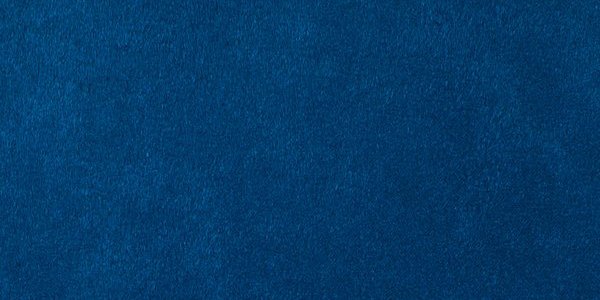
Suede upholstery fabric is one of those materials that gets unfairly written off. People hear the word "suede" and immediately picture a cream-colored sofa slowly losing its battle against a glass of red wine. Totally understandable. But here's the thing: modern suede and suede-alternative fabrics have come a long way, and for spring furniture refreshes especially, that soft, velvety texture is having a serious moment. If you've been curious about suede but scared off by the maintenance myths, this one's for you.
What Exactly Is Suede Upholstery Fabric?
Suede upholstery fabric refers to any textile with a soft, napped surface finish that mimics the texture of genuine animal suede leather. Genuine suede is made from the underside of animal hides, typically lamb, pig, or calf, and is known for its buttery softness and fine, short-pile texture. It's beautiful, no question. But it's also porous, sensitive to moisture, and not exactly forgiving in high-traffic homes.
That's why most of the suede upholstery fabric you'll find in the market today is microsuede or faux suede, both of which are synthetic alternatives engineered to deliver the same luxurious look and feel without the care headaches. Microsuede is typically made from ultra-fine polyester microfibers, woven so tightly that the surface becomes nearly liquid-repellent. That's not an exaggeration. The microfiber weave creates a fabric that resists stains, dries quickly, and holds up to everyday use far better than its genuine counterpart.
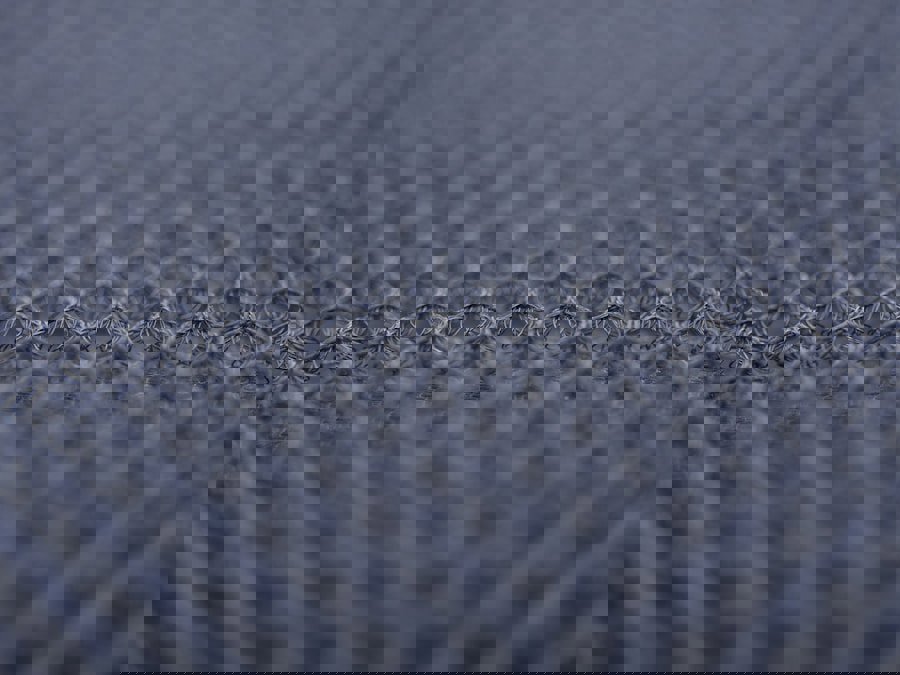
Photo by engin akyurt on Unsplash
Is Suede Upholstery Fabric Durable Enough for Everyday Use?
Yes, microsuede and faux suede upholstery fabrics are highly durable and well-suited for everyday household use, often rating between 30,000 and 50,000 double rubs on the Martindale abrasion test. To put that in context, a fabric is generally considered suitable for heavy residential use at 15,000 double rubs or more. Quality microsuede clears that bar by a significant margin.
Genuine suede, on the other hand, scores considerably lower on practical durability metrics and is best reserved for accent pieces in lower-traffic areas, think a reading chair in a quiet home office rather than the main family sofa. If you have kids, pets, or you just use your furniture the way furniture is meant to be used, microsuede or faux suede is the smarter call. Honestly, the gap in real-world performance between genuine suede and a high-quality microsuede is bigger than most people realize, and microsuede wins on almost every practical front.
Faux suede options often incorporate solution-dyed polyester fibers, which means the color is locked into the fiber itself during manufacturing rather than applied on top. This results in significantly better fade resistance, which is especially relevant in spring and summer when your furniture sees more natural light. Solution-dyed fabrics resist UV degradation far better than surface-dyed alternatives, making them a smart choice for sunlit living rooms.
What Colors and Styles Work Best for Spring Suede Upholstery?
Spring is practically made for the tactile warmth of suede. The soft, matte finish of suede upholstery pairs naturally with the season's palette of warm neutrals, dusty botanicals, and earthy terracottas. If you're refreshing a sofa or armchair for spring, consider suede in warm tones like camel, sage green, dusty blush, or a soft cream. These shades feel fresh without screaming "I redecorated."
For a more modern look, deeper suede tones like slate grey or cognac brown anchor a room beautifully when balanced with lighter spring accents in your pillows, throws, or drapery. Suede's napped texture also plays well with layered interiors because it adds visual softness without competing with bolder pattern fabrics nearby. It's a team player, which is rare in the furniture fabric world.
Interior designers have long used suede-finish fabrics on accent chairs and ottomans to add tactile contrast in rooms where smoother fabrics dominate. The juxtaposition of a suede occasional chair next to a tightly woven sofa creates that collected, layered look that's all over editorial spaces right now.
How Do You Care for Suede Upholstery Fabric?
Microsuede and faux suede upholstery fabrics are typically cleanable with a water-based cleaner or a small amount of rubbing alcohol on a soft cloth, making them among the easiest upholstery fabrics to maintain at home. Most microsuede is labeled with a "W" or "W/S" cleaning code, which means you can use water-based solutions without worrying about water marks or shrinkage.
For genuine suede, the care routine is considerably more involved. You'll want to keep it away from moisture, treat it with a suede protector spray before use, and have it professionally cleaned if anything significant spills. A suede brush helps restore the nap after wear. It's not impossible to maintain, but it does require real commitment. If your household runs at full speed, genuine suede will stress you out. Microsuede will not.
Also, one practical tip: if you're buying suede-look fabric by the yard for a DIY reupholstery project, always test your cleaning method on a hidden area first. Even within the microsuede category, finishes vary by manufacturer and fiber density, so what works perfectly on one fabric might leave a slightly different sheen on another.
What Should You Look for When Buying Suede Upholstery Fabric?
When shopping for suede upholstery fabric, the most important specs to check are the double rub count, fiber content, and cleaning code. A reputable upholstery fabric should list all three clearly. For heavy residential use, aim for a minimum of 30,000 double rubs. For lighter use pieces like accent chairs or headboards, 15,000 to 25,000 is generally acceptable.
Fiber content tells you a lot about how the fabric will perform long-term. Polyester-based microsuedes tend to be the most durable and stain-resistant. Blends with nylon add additional abrasion resistance. Fabrics marketed as "faux suede" without a specific fiber content listed are worth approaching with some caution, since quality can vary significantly.
Plus, pay attention to the fabric weight. Heavier suede fabrics, typically above 300 grams per square meter, are better suited for seating surfaces where friction is constant. Lighter weights work beautifully for decorative pillows, headboards, or wall panels, but may wear prematurely if used on a seat cushion that gets daily use.
At Famcor Fabrics, the suede category includes a range of options across weights, colors, and price points, so whether you're a homeowner tackling a single chair or a designer sourcing for multiple pieces, you can find a fabric that fits both the project and the budget.
Frequently Asked Questions
Q: Is suede upholstery fabric good for homes with pets?
Microsuede upholstery fabric is a solid choice for pet-friendly homes because its tightly woven microfiber surface resists pet hair embedding and cleans up easily with a damp cloth or lint roller. Genuine suede is not recommended for homes with pets, as claws can snag the nap and moisture from pet accidents can permanently stain and warp the material.
Q: What is the difference between microsuede and faux suede upholstery fabric?
Microsuede is a specific type of faux suede made from ultra-fine polyester microfibers, known for its tight weave, softness, and stain resistance. Faux suede is a broader term that can describe any synthetic fabric engineered to look and feel like genuine suede, including microsuede, but not all faux suedes share the same fiber density or durability level.
Q: How many double rubs should suede upholstery fabric have for a sofa?
For a sofa that sees daily household use, look for a suede upholstery fabric with a minimum double rub count of 30,000, measured by the Martindale abrasion test or the Wyzenbeek method. High-quality microsuede fabrics frequently rate between 30,000 and 50,000 double rubs, making them suitable for heavy residential use and even light commercial applications.