
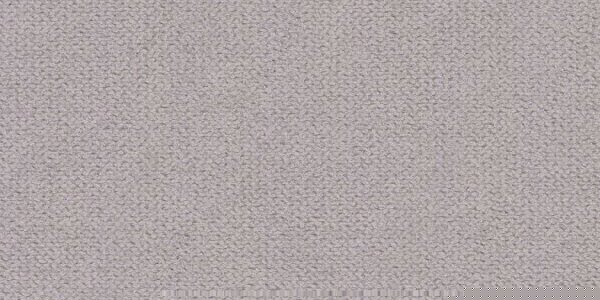
Suede upholstery fabric doesn't always get the credit it deserves. People hear "suede" and immediately picture a light-colored couch that shows every fingerprint and panics at the sight of a water glass. But here's the thing: modern suede upholstery fabric, especially microsuede and faux suede options, is one of the most practical, good-looking choices you can put on a piece of furniture. Soft to the touch, visually warm, and available in a range of colors that work beautifully with spring's fresh palette, suede is having a quiet moment right now, and honestly, it's well-deserved.
What Exactly Is Suede Upholstery Fabric?
Suede upholstery fabric is any textile that replicates the soft, napped surface of traditional suede leather. True suede comes from the underside of animal hide, typically lamb, deer, or pig, and has a velvety texture that's been prized for centuries. For upholstery purposes, though, most of what you'll find today is microsuede or faux suede, which is made from ultra-fine polyester microfibers woven so tightly they mimic that same soft, brushed finish without any of the animal-derived material.
Microsuede fabrics typically have a fiber density that makes them highly resistant to pilling and abrasion. Quality microsuede upholstery fabric can achieve double rub counts of 30,000 to over 100,000, putting it firmly in the heavy-duty category by industry standards. For context, fabric rated above 15,000 double rubs is generally considered suitable for heavy residential use. Suede clears that bar without breaking a sweat.
Is Suede a Good Choice for Everyday Furniture?
Yes, suede upholstery fabric, particularly microsuede, is well-suited for everyday furniture use, including sofas, chairs, and ottomans in active households. The tightly woven microfiber construction naturally resists spills by causing liquids to bead on the surface rather than immediately soaking in, which gives you time to blot and clean before a stain sets.
This is one of the things that genuinely surprises people about modern suede upholstery. The same napped texture that looks so soft and delicate actually makes it harder for dirt and debris to penetrate the fabric structure. Crumbs and dust tend to sit on top of the pile rather than work their way in, so routine maintenance is usually just a quick pass with a soft brush or vacuum attachment. If you have kids, pets, or just a busy household, microsuede is a smarter pick than its fancy appearance might suggest.
That said, not all suede fabrics are created equal. If you're shopping for upholstery suede, always check the double rub count and confirm it's rated for upholstery use specifically. Decorative suede panels or fashion fabric might look identical but won't hold up the same way under daily friction and pressure. When in doubt, look for fabrics explicitly labeled for upholstery or furniture use.
What Colors and Styles Work Best With Suede Upholstery This Spring?
Spring 2025 is leaning into warm, grounded neutrals alongside muted earthy tones, and suede upholstery fabric lands right in the middle of that trend in the best possible way. The napped surface of suede adds visual depth to colors that might look flat in a plain weave, which means even a simple taupe or warm grey reads as noticeably richer and more interesting on suede than on a standard woven fabric.
Right now, the color stories that are resonating most in home interiors include dusty rose, sage green, warm camel, terracotta, and a soft slate blue. All of these translate exceptionally well into suede because the texture picks up light differently depending on the angle, giving the fabric a slightly tone-on-tone quality without any pattern at all. If you're working on a spring room refresh and want something that feels current without being trendy-in-a-bad-way, a sage or warm camel suede on a vintage chair or reading nook bench is genuinely hard to beat.
For interior designers sourcing for clients, suede also pairs very naturally with other spring-appropriate materials: natural wood finishes, linen drapery, jute rugs, and ceramic or rattan accessories. It bridges that gap between casual and refined without trying too hard.
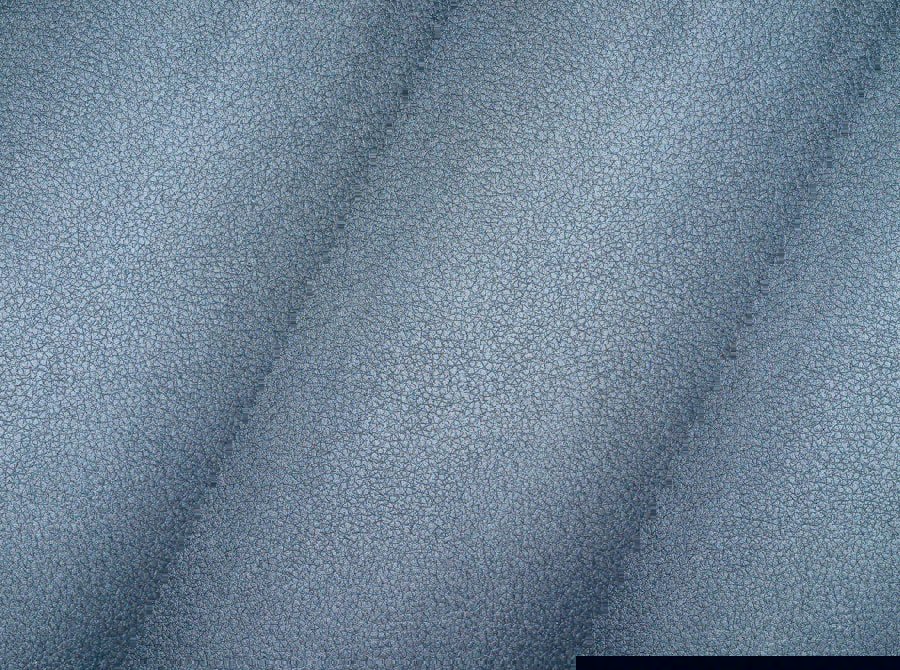
Photo by Jason Dent on Unsplash
How Do You Clean and Care for Suede Upholstery Fabric?
Microsuede upholstery fabric is most commonly coded "W" or "S/W," meaning it can be cleaned with water-based cleaners or dry-cleaning solvents. Always check the care tag on your specific fabric before applying any cleaning solution, because care codes can vary between manufacturers even within the same fabric category.
For routine cleaning, a soft-bristled brush or upholstery vacuum attachment keeps the nap looking fresh and prevents matting. For spot cleaning, blot the area immediately with a clean, dry cloth to absorb as much of the spill as possible, then use a small amount of mild dish soap mixed with water and a gentle dabbing motion. Avoid rubbing, which can damage the nap and cause a visible worn patch. Once dry, a quick brush in one direction restores the soft, even texture.
Genuine suede leather upholstery requires more specialized care, including suede-specific conditioners and protectants, and is more vulnerable to water damage than microsuede. If you're working with real leather suede, a professional upholstery cleaning service for annual maintenance is worth the investment. For most residential applications, though, microsuede gives you 90 percent of the look with significantly less fuss.
Suede Upholstery Fabric: What to Look For When You Buy
Shopping for suede upholstery fabric is simpler when you know what to prioritize. Here's a quick list of what actually matters:
- Double rub count: Look for a minimum of 15,000 double rubs for residential use, and 30,000 or more if the piece will see heavy daily traffic.
- Fiber content: Most microsuede upholstery fabrics are 100% polyester or a polyester-nylon blend. Polyester microsuede tends to be more stain-resistant, while nylon blends can offer slightly better abrasion resistance.
- Care code: Confirm the fabric is rated W, S, or S/W for practical cleanability. Avoid upholstery fabrics coded X (vacuum only) for any high-use furniture.
- Pile direction: Suede has a directional nap, so when ordering yardage for a project, always account for pattern direction to ensure a consistent appearance across cushions and panels.
- Weight: Heavier suede fabrics generally perform better on seat cushions and high-contact areas. Lighter weights work well for chair backs, pillows, and decorative applications.
- Colorfastness: For pieces that sit near windows, look for fabrics with a minimum lightfastness rating of 4 on the Blue Wool Scale to prevent fading over time.
Ordering samples before committing to yardage is always a smart move, especially with suede, since the color and texture can look noticeably different on a screen versus in person under your actual lighting conditions.
Frequently Asked Questions
Q: Is suede upholstery fabric good for pet owners?
Microsuede upholstery fabric is one of the better choices for pet owners because its tightly woven microfiber surface resists pet hair embedding and makes spot cleaning easier than many woven fabrics. Pet hair tends to sit on the surface rather than weave into the fibers, so a lint roller or soft brush cleans it up quickly. For households with dogs or cats that share furniture regularly, look for microsuede with a double rub count of at least 30,000 for added durability.
Q: What is the difference between microsuede and faux suede upholstery fabric?
Microsuede and faux suede are often used interchangeably, and in most upholstery contexts they refer to the same type of fabric: a synthetic textile made from ultra-fine polyester microfibers that mimic the soft, napped texture of genuine suede leather. Some manufacturers use "faux suede" as a broader marketing term that can include slightly different fiber constructions, so when shopping, always check the actual fiber content and double rub count rather than relying on the product name alone.
Q: How much suede upholstery fabric do I need for a sofa?
A standard three-seat sofa typically requires between 12 and 18 yards of upholstery fabric, depending on the sofa's dimensions, cushion count, and whether the fabric has a directional nap that needs to be matched. Because suede fabric has a directional pile, plan for the higher end of that range to allow for proper nap alignment across all panels. If you're working with a professional upholsterer, they can give you a precise yardage estimate based on your specific piece before you order.