
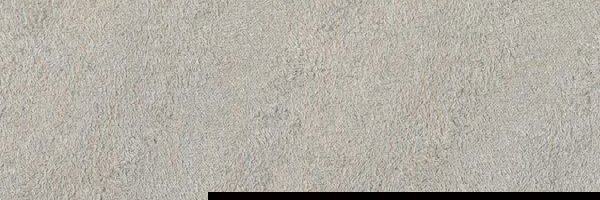
As winter settles in and we spend more time on our favorite furniture pieces, choosing the right upholstery fabric becomes essential. Two premium options that dominate luxury interiors are suede and leather—but which one truly deserves a spot on your sofa?
While both materials exude sophistication and warmth (literally and aesthetically), they offer distinctly different benefits and challenges. This guide will help you make an informed decision based on your lifestyle, budget, and design goals.
The Warmth Factor: Why These Materials Win in Winter
During the colder months, homeowners naturally gravitate toward fabrics that feel inviting and cozy. Suede and leather both deliver that tactile luxury that makes you want to curl up under a blanket with a warm beverage.
Suede's velvety texture creates an instantly inviting surface, while genuine leather develops a rich patina over time that many consider the ultimate sign of quality furniture. Both materials also retain heat better than lighter synthetic fabrics, making them ideal choices for winter lounging.
Durability Comparison: Real-World Performance
This is where the materials diverge significantly:
- Leather is naturally more durable and resistant to wear. It resists staining better than suede and actually improves with age. Minor scratches can be buffed out, and the surface hardens over time to resist future damage.
- Suede requires more careful maintenance. Its delicate nap (the fine fibers on its surface) can flatten with regular use and is vulnerable to water damage, oils, and dirt. However, this vulnerability is why many designers love it—the fabric develops character and unique wear patterns that add personality to vintage pieces.
Maintenance Reality Check
Be honest with yourself about maintenance commitment before choosing between these materials.
Leather upholstery needs regular conditioning (typically every 6-12 months) to prevent cracking, but weekly care is as simple as a soft cloth wipe-down. Most spills can be cleaned with mild soap and water.
Suede upholstery demands investment in specialized brushes and erasers. Winter mud, salt residue from boots, and accidental wine spills become genuine concerns. Many homeowners opt for professional suede protection treatments, which add to the overall cost.
Budget Considerations
Price differences vary based on quality, but generally:
- High-quality leather typically costs $20-50+ per yard
- Premium suede ranges from $25-60+ per yard
- Faux versions of both are significantly cheaper but sacrifice authenticity
Consider the total cost of ownership—a slightly cheaper suede sofa might require expensive professional cleaning and treatment, while genuine leather becomes a long-term investment that holds value.
Design Versatility
Both materials work across design styles, but they make different statements:
- Leather suits modern, industrial, transitional, and classic traditional design. It ranges from polished and sleek to distressed and rustic.
- Suede delivers a softer, more contemporary aesthetic. It works beautifully in mid-century modern, eclectic, and luxury minimalist interiors.
Think about your home's existing palette and style. Will this furniture piece anchor your design or blend into it?
The Pet and Family Factor
If you have young children or pets, leather wins decisively. It's easily wipeable and can withstand claws and spills. Suede, unfortunately, is not pet-friendly—claws damage the nap, and accidents can permanently stain the delicate fibers.
Making Your Decision
Choose leather upholstery if you want:
- Maximum durability and longevity
- Low maintenance and easy cleaning
- A home with pets or active children
- An investment piece that improves with age
Choose suede upholstery if you want:
- Ultimate luxury texture and softness
- A contemporary design statement
- A furniture piece in a low-traffic space (reading chair, bedroom chaise)
- Don't mind regular maintenance and professional care
Winter Shopping Strategy
Request fabric swatches from your upholstery fabric supplier and test them in your actual home lighting during the winter months. Feel the texture, test stain resistance, and visualize how they coordinate with your existing décor. Many high-quality retailers offer samples that let you see how materials perform in your specific environment.
Whether you choose the timeless elegance of leather or the luxurious softness of suede, both materials deliver premium comfort perfect for winter comfort and year-round sophistication.