
Spring is the season when everyone suddenly wants to refresh their home, and if you're working with a small apartment or a compact living room, fabric choices matter more than most people realize. The right upholstery fabric for small spaces can make a room feel airier, more cohesive, and honestly just more livable. The wrong one can make your favorite chair feel like it's eating the room. So before you order a yard of anything, here's what you should actually know.
Why Fabric Choice Has a Bigger Impact in Small Spaces
In a large room, one bold piece of furniture gets balanced out by everything else around it. In a studio apartment or a narrow living room, a single sofa or accent chair is doing a lot of visual heavy lifting. The color, texture, and pattern of its fabric will either work with the space or fight it constantly.
Small rooms benefit from fabrics that reflect light, keep the eye moving calmly, and don't compete with every other surface in the room. That doesn't mean you're stuck with boring. It means you need to be a little more intentional. And spring is actually the perfect time to make this kind of change, because the season naturally pulls toward lighter palettes and fresher textures that happen to work beautifully in compact spaces.
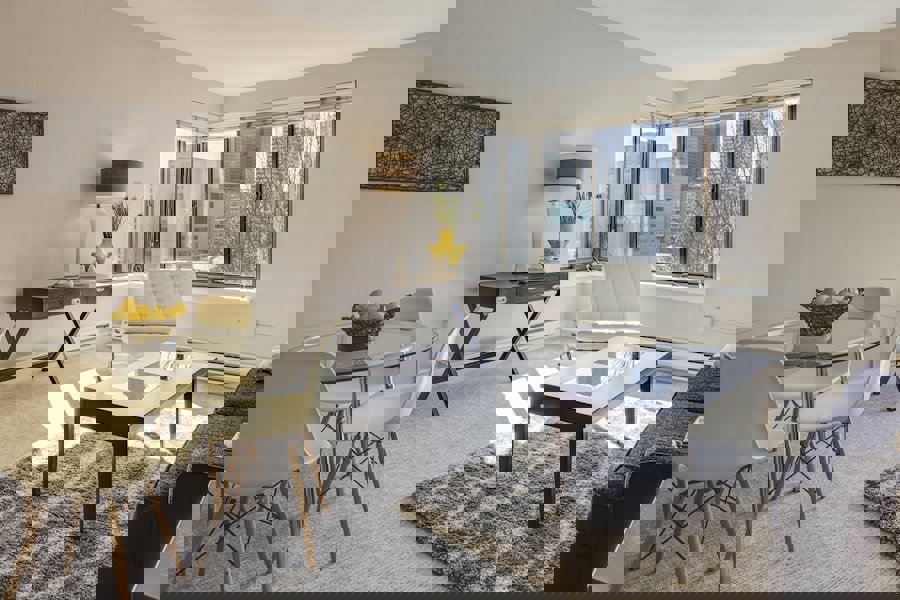
Photo by Francesca Tosolini on Unsplash
What Colors Make a Small Room Feel Larger?
Light, cool, and neutral tones are your best friends in a small space. Colors like soft cream, warm white, pale grey, and light beige reflect natural light instead of absorbing it, which makes walls feel farther apart and ceilings feel taller. This spring, those tones are trending hard in home decor, so you're not sacrificing style to get the space-expanding effect.
Here's the thing: you don't have to go completely neutral. A muted sage green or a dusty blue can add personality without closing the room in, as long as the tone stays light and desaturated. What you want to avoid in small spaces is deeply saturated, dark colors on large upholstered pieces. A dark chocolate velvet sofa might be gorgeous in a loft, but in a 400-square-foot apartment it becomes the entire room.
- Best color picks for small spaces: cream, beige, light grey, warm white, pale blue, soft green
- Use with caution: navy, deep brown, hunter green, black (great as accents, tricky as main upholstery in tight rooms)
- Spring sweet spot: linen-toned neutrals layered with one soft color accent piece
Solid fabrics in light tones are especially effective because they don't add visual noise. If you want pattern, go for a small-scale print or a subtle woven texture rather than a large repeat. A big floral pattern on a loveseat in a small room tends to feel chaotic rather than cheerful.
Which Fabric Textures Work Best in Compact Living Rooms?
Texture adds depth and interest without adding visual weight, which is exactly what you want in a small space. The goal is a fabric that looks rich and intentional up close, but reads as calm and cohesive from across the room.
A few textures consistently perform well in compact spaces:
- Linen and linen-blend fabrics have a natural, casual texture that photographs beautifully and feels relaxed without being sloppy. They're breathable, which is a bonus heading into warmer months, and their slightly uneven weave adds visual interest without overpowering a small room.
- Chenille is honestly one of the most underrated options for apartments. It's soft, it has a gentle sheen that catches light well, and it comes in a wide range of neutral tones. Chenille upholstery typically scores between 15,000 and 30,000 double rubs depending on the construction, which is solid for everyday furniture use. (Double rub count is the industry measure of how many back-and-forth rubs a fabric can handle before showing wear. Anything above 15,000 is considered suitable for residential furniture.)
- Boucle has had a major moment in interior design over the last couple of years and it's still going strong this spring. Its loopy, textured surface adds warmth and softness, and in light oatmeal or cream tones it keeps a small room feeling open rather than heavy.
- Woven fabrics with subtle geometric or tonal patterns give you visual complexity without the chaos of a printed design. They tend to be durable and relatively easy to maintain, which matters when square footage is limited and your furniture is seeing constant use.
Velvet gets a bad rap in small spaces, but used thoughtfully it can actually work. A light-toned velvet, think pale grey or dusty rose, on a single accent chair adds a luxurious touch without overwhelming the room. Just keep it to one piece and pair it with simpler textures elsewhere.
What Is the Most Durable Upholstery Fabric for Apartment Living?
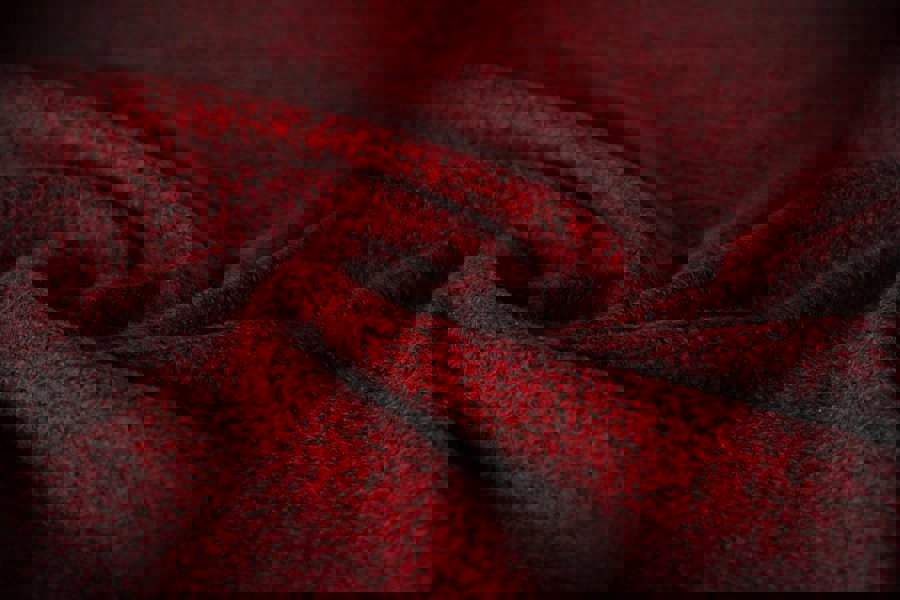
For everyday apartment life, you want a fabric with a double rub count of at least 15,000 for light use, or 25,000 and above if you have kids, pets, or a particularly enthusiastic relationship with your couch. Durability and good looks aren't mutually exclusive, and this is where a lot of apartment dwellers shortchange themselves by buying something pretty that falls apart in two years.
Here are the top performers for durability in compact, high-use living situations:
- Microfiber and microsuede fabrics are tightly woven synthetic options that resist staining and wear extremely well. Many microfiber upholstery fabrics exceed 30,000 double rubs. They clean easily with a damp cloth and hold up well against pet hair, which is a genuine concern in apartments where your animals are working with the same limited square footage you are.
- Vinyl and faux leather are worth a serious look if easy cleaning is a top priority. Modern faux leather options have come a long way in terms of texture and appearance, and they're essentially wipe-clean surfaces. For a small space, a light or medium-toned faux leather on a compact sofa can look sharp and require almost no maintenance.
- Solution-dyed acrylic is a fabric where color is added during the fiber production process rather than printed or dyed onto the surface afterward. This means the color runs all the way through the fiber, making it highly resistant to fading, staining, and moisture. It's often used in outdoor upholstery for exactly this reason, but it works beautifully indoors too, especially in sunny apartments where UV exposure can fade lighter fabrics over time.
- Crypton-treated fabrics have a built-in moisture barrier and stain resistance baked into the fiber structure. They're particularly good for households with kids or pets and are available across a wide range of textures and colors.
If you're shopping and a fabric catches your eye, look for the double rub count in the product specs. Anything listed as "heavy duty" should be 25,000 or above. Anything marketed for residential use is usually in the 15,000 to 25,000 range. That's fine for an adult-only apartment. It's not quite enough if a golden retriever has opinions about your sofa.
Spring-Specific Fabric Tips for Small Apartments
Spring is a genuinely good time to reupholster or replace furniture fabric, and not just because the seasonal urge to refresh your home hits hard on a Saturday morning with coffee in hand. Lighter fabrics suit the season naturally, and making the switch from a heavier winter texture to something breathable and light-toned can make a small apartment feel noticeably more spacious without moving a single piece of furniture.
A few practical spring-specific suggestions:
- Swap in a linen or linen-blend fabric on accent chairs or ottomans for a quick seasonal update that also improves how the room reads visually.
- Look at pale blue or soft green upholstery options this season. Both tones are trending in spring home decor and both read as fresh and open rather than heavy.
- If your sofa is staying put, update smaller upholstered pieces like a bench, a footstool, or a chair cushion cover with a lighter fabric to shift the overall feel of the room.
- Natural fiber blends (linen, cotton, and cotton-linen mixes) are ideal for spring because they're breathable and they look effortlessly seasonal without trying too hard.
Also, don't underestimate the power of a consistent fabric palette across a small space. When your sofa, your accent chair, and your window treatment all pull from the same color family, the room feels intentional and larger. Mixing too many competing fabrics in a small room is one of the fastest ways to make it feel cluttered, even if the individual pieces are beautiful on their own.
How to Shop for Upholstery Fabric Online When Space Is Limited
Shopping for upholstery fabric online for a small space takes a little more care than shopping in person, because you can't hold a swatch up to your wall and squint at it in your actual light. Here's a practical process that works well:
- Order samples first. Always. A fabric that looks pale grey on a screen might read almost white or slightly blue in your apartment's light. Most online fabric retailers offer sample swatches for a small fee, and it's worth every penny.
- Check the double rub count in the product listing. If it's not listed, ask before you buy. This tells you how long the fabric will realistically hold up.
- Look for care instructions. In a small apartment, furniture gets used constantly. You want fabrics you can spot clean easily, or ideally, machine wash slipcovers if that's the direction you're going.
- Consider repeat size for any patterned fabric. A large pattern repeat can look mismatched or wasteful on smaller furniture pieces, and you may need to buy extra yardage to line up the pattern correctly at seams.
- Stick to a two or three fabric maximum across all upholstered pieces in a small room. Cohesion is your friend when square footage is limited.
Shopping at a store that specializes in upholstery fabric means you're getting access to specs and options that general home goods retailers don't always provide. You can filter by color, fiber type, and use case, which makes finding the right combination of durability and aesthetics a lot more straightforward.
Frequently Asked Questions
Q: What is the best upholstery fabric color for a small living room?Light, neutral tones like cream, beige, soft grey, and warm white are the best upholstery fabric colors for small living rooms. These shades reflect natural light rather than absorbing it, which makes the room feel more open. Muted pastels like pale blue or soft sage green can also work well in spring, as long as the tones stay light and desaturated rather than deep and saturated.
Q: How durable does upholstery fabric need to be for everyday apartment use?For a household with one or two adults, a double rub count of 15,000 or higher is sufficient for everyday apartment use. If you have pets or children, look for fabrics rated at 25,000 double rubs or above. Double rub count measures how many friction cycles a fabric withstands before showing visible wear, and it's the most reliable durability indicator to look for when shopping for upholstery fabric online.
Q: What upholstery fabrics are easiest to clean in a small apartment?Microfiber, faux leather, vinyl, and solution-dyed acrylic are among the easiest upholstery fabrics to clean in a small apartment. Microfiber can usually be wiped clean with a damp cloth and resists staining well. Faux leather and vinyl are essentially wipe-clean surfaces. Solution-dyed acrylic is highly stain and moisture resistant because the color runs through the fiber itself rather than sitting on the surface, making it one of the most practical choices for high-use furniture in compact living spaces.