
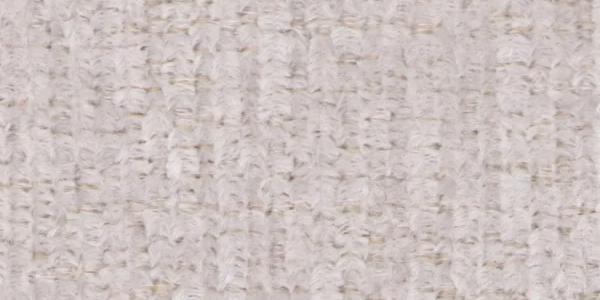
If you're shopping for the best upholstery fabric for dog owners, you already know the drill: nail snags, muddy paw prints, drool spots, and the occasional overzealous chew session. Dogs are wonderful, but they're hard on furniture in ways that are genuinely different from cats. Bigger claws mean deeper snags instead of surface pulls. Drool means sustained moisture exposure, not just occasional spit-up. And a bored 60-pound Lab has a lot more chewing power than a housecat ever will. This guide covers exactly which fabrics survive dog life, and which ones you should avoid entirely.
What Is the Best Upholstery Fabric for Dog Owners?
The best upholstery fabric for dog owners is a tightly woven, high double rub count fabric like chenille, performance velvet, or faux leather, all of which resist nail snags, wipe clean easily, and stand up to repeated moisture exposure. Anything under 15,000 double rubs on the Martindale or Wyzenbeek abrasion test is going to show wear fast in a house with an active dog.
Double rub count measures how many times a fabric can be rubbed back and forth before it shows visible wear. For reference, fabric rated below 10,000 double rubs is considered light residential use, 15,000 to 30,000 is heavy-duty residential, and anything above 30,000 edges into commercial-grade territory. Dog households should aim for at least 20,000.
Photo by Alicia Christin Gerald on Unsplash
Nail Snags: Why Weave Structure Matters More Than Fiber
Dog nails don't cut fabric the way scissors do, they catch on loose fibers and pull threads loose one at a time. That's why tight, dense weaves outperform loosely woven or looped fabrics regardless of what the fiber content label says.
Chenille is genuinely underrated here. Its short, tightly twisted pile doesn't give nails much to grab, and any snags that do happen tend to blend back into the texture instead of leaving a visible pull. Boucle, on the other hand, has that looped, textured surface that looks cozy but can actually catch a nail more easily. If you love the boucle look, save it for a room your dog doesn't frequent, or pair it with a washable throw.
Woven fabrics with a flat, plain weave and a tight thread count also hold up well. Fabrics with long floating yarns or delicate jacquard patterns are the ones that suffer most, since a single snagged thread can unravel a whole section of the design.
Odor and Drool Control: What Actually Repels Moisture?
Solution-dyed acrylic and performance-treated polyester fabrics resist moisture absorption at the fiber level, which means drool beads up on the surface instead of soaking in and causing odor buildup. This matters more for dogs than cats, since dogs drool constantly and often press their whole face against cushions.
Here's the thing: odor isn't really about the fabric smelling bad, it's about moisture getting trapped in fibers and feeding bacteria growth over time. Natural fibers like untreated linen or cotton absorb liquid readily, which is exactly what you don't want. Faux leather and vinyl are essentially moisture-proof since liquid sits on top of the surface and wipes away, making them a top pick for drool-prone breeds like Bulldogs, Mastiffs, and Saint Bernards.
Velvet gets a bad rap for pet households, but a performance velvet with a synthetic pile and a stain-resistant finish actually handles moisture better than people expect. Just skip cotton velvet, which absorbs like a sponge.
Easy Cleanup for Muddy Paw Prints
Fabrics with a smooth, tight surface and a stain-resistant finish are far easier to wipe clean of mud than textured or looped weaves, where dirt works its way into the crevices. This is a big reason vinyl and faux leather remain popular in mudroom-adjacent living spaces and homes with backyard access.
If you love the look of a woven texture, look for products treated with a fluorochemical-free stain repellent finish. It sheds liquid mud on contact and gives you a window to wipe it up before it sets. Chenille again performs well here since its dense pile doesn't let dirt migrate deep into the weave the way an open-basket weave would.
Best Fabric Types for Dog Owners
- Chenille: Dense, soft, and forgiving of nail contact. A dog-owner favorite for good reason. Browse chenille upholstery fabrics for options in nearly every color.
- Performance velvet: Synthetic pile versions resist moisture and hold color well under sunlight, unlike cotton velvet. See velvet upholstery fabrics for performance-grade choices.
- Faux leather: Nearly waterproof and wipes clean in seconds, ideal for drool and mud. Check out vinyl upholstery fabrics if you want the same easy-clean benefit with a slightly different hand feel.
- Tight woven fabrics: Plain weaves with high thread density resist snagging and pilling far better than loose or open weaves.
- Grey chenille specifically: Hides shed fur and dirt exceptionally well, which is why it's one of our most popular picks for pet households. Take a look at grey chenille upholstery fabric for shade options that camouflage fur between vacuum sessions.
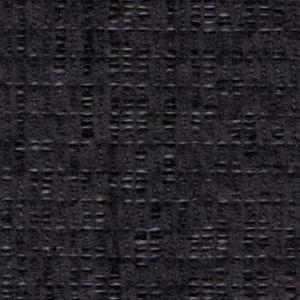
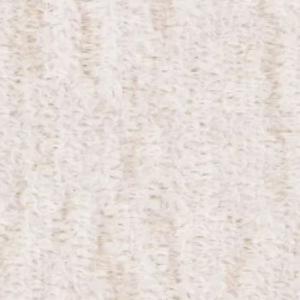
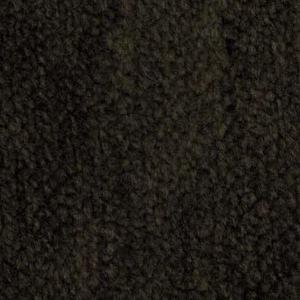
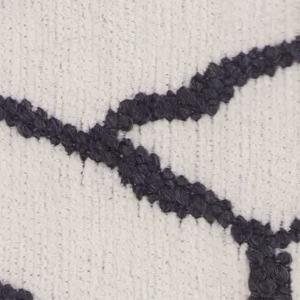
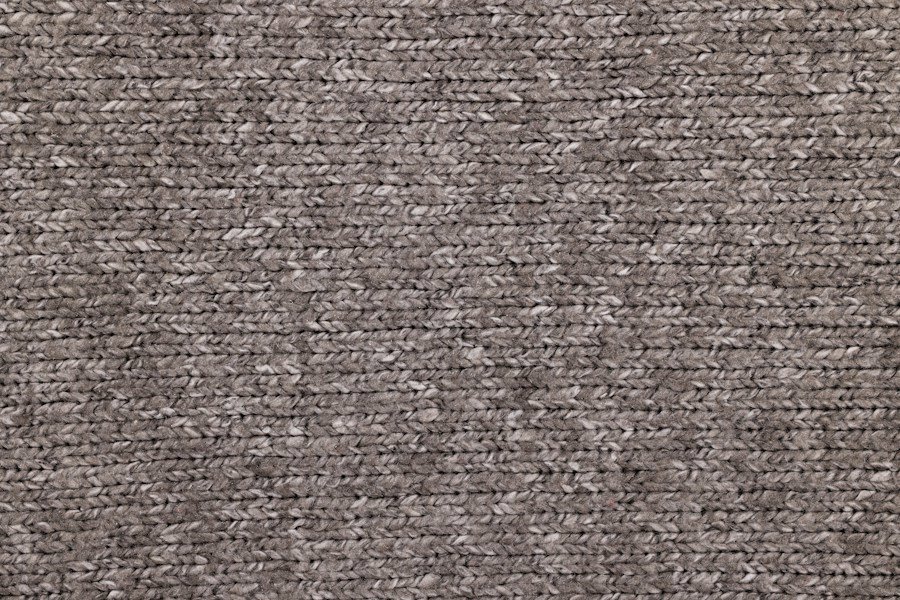
Photo by engin akyurt on Unsplash
Fabrics to Avoid If You Have Dogs
Loosely woven linen, silk blends, and delicate jacquards are the worst offenders for dog households. Linen looks beautiful in a fall-inspired living room refresh, but its loose fiber structure snags easily and absorbs moisture without resisting stains.
Boucle and open-loop textures also deserve a cautious approach around larger dogs, since their looped surface is essentially built to catch a nail. Save these for formal spaces or pair them with a slipcover if your dog has access to them.
How Is Dog-Friendly Fabric Different From Cat-Friendly Fabric?
Dog-friendly fabric prioritizes moisture resistance and snag resistance from larger nails, while cat-friendly fabric focuses primarily on preventing claw punctures and climbing damage. Cats tend to scratch downward with sharp, precise claws that puncture fabric, while dogs tend to paw, dig, and lean, creating broader surface wear and drool exposure.
If you have both a cat and a dog, aim for the intersection: a tightly woven, solution-dyed fabric with a high double rub count and a smooth surface, since it resists puncture damage and snagging at once. Faux leather and performance chenille both check that box.
Buying Considerations Checklist
- Look for a double rub count of 20,000 or higher for active dog households.
- Choose solution-dyed fibers over piece-dyed fabrics, since the color runs through the entire fiber and resists fading from repeated cleaning.
- Ask about stain-repellent finishes, and confirm whether they're renewable after cleaning.
- Consider color strategically. Medium tones like brown upholstery fabrics or grey hide fur and dirt better than pure white or black.
- Test a fabric swatch at home before committing to a full yardage order, especially if your dog is a known chewer.
Frequently Asked Questions
Q: What upholstery fabric is most resistant to dog nails?
Chenille and tightly woven performance fabrics resist dog nail snags best, since their dense fiber structure gives claws less to catch onto compared to looped or loosely woven textiles.
Q: Can drool stain upholstery fabric permanently?
Drool can permanently stain untreated natural fiber fabrics like cotton or linen, but solution-dyed acrylic, performance velvet, and faux leather resist absorption and wipe clean before staining occurs.
Q: Is leather or fabric better for dog owners?
Faux leather and vinyl generally outperform fabric for drool and mud cleanup since liquids sit on the surface rather than soaking in, but they show nail scratches more visibly than a dense chenille or performance weave.