
Upholstery Fabric for Outdoor Furniture That Moves Indoors: What You Actually Need to Know
If your patio furniture doubles as overflow seating every winter, you're already ahead of most people. Moving outdoor furniture inside for storage protects the frames, but it also puts real demands on whatever fabric is covering those cushions. Upholstery fabric for outdoor furniture that transitions indoors has to survive UV exposure, humidity, the occasional summer rainstorm, and then months of storage without turning into a moldy, faded, cracked mess. That's a big ask. The good news is that the right material handles all of it without much fuss, and it can look genuinely good in your living room or den when it's doing double duty in the off-season.
This guide walks you through the fabrics worth buying, the ones worth skipping, and a few practical tips that will save you money and frustration over the long run.
Photo by Othman Alghanmi on Unsplash
What Makes a Fabric Actually Suitable for Seasonal Outdoor Use?
The single most important factor is how the color gets into the fiber. Solution-dyed fabrics, particularly solution-dyed acrylics, are dyed at the fiber level before the yarn is even spun. That means the color goes all the way through, so fading from UV exposure is dramatically reduced compared to fabrics that are piece-dyed or printed on the surface. For outdoor upholstery that sees real summer sun, this is non-negotiable.
Beyond colorfastness, you want to think about:
- Abrasion resistance. This is usually measured by a double rub count, which is basically how many times a fabric can be rubbed back and forth before it starts to wear through. Think of it like a stress test for the surface. For outdoor furniture that gets regular use, look for a minimum of 15,000 double rubs. Heavy-use pieces should aim for 30,000 or higher.
- Moisture and mildew resistance. Outdoor fabrics need to resist moisture absorption, because water trapped in a cushion stored in a garage or basement is a mildew factory. Synthetic fibers like acrylic, vinyl, and polyester dry quickly and don't absorb moisture the way natural fibers do.
- Breathability during storage. Ironically, fabrics that trap too much heat or moisture during storage can deteriorate faster than ones exposed to weather. Good airflow matters when cushions are stacked in a corner for four months.
- Flexibility in cold temperatures. Some materials, particularly certain vinyl formulations, can stiffen or crack when stored in a cold garage over winter. This is one of the more overlooked storage considerations.
The Best Fabric Types for Outdoor-to-Indoor Transitions
Not every fabric category handles this kind of seasonal cycle equally well. Here's an honest breakdown of what performs and what tends to disappoint.
Solution-Dyed Acrylic
Solution-dyed acrylic is genuinely the gold standard for outdoor upholstery fabric, and it earns that reputation. Acrylic fibers have a naturally soft hand feel, resist UV degradation, dry quickly after rain, and are available in an enormous range of colors and patterns. Double rub counts on quality acrylic upholstery fabrics typically start around 15,000 and frequently exceed 50,000. When stored indoors, acrylic holds its shape and color well, and it doesn't absorb odors or moisture the way cotton or linen would. If you want one fabric that works without compromise, this is it.
Vinyl and Faux Leather
Vinyl upholstery fabric is easy to wipe clean, completely waterproof, and very budget-friendly. It's a practical choice for outdoor dining chairs or benches where spills are common. The tradeoff is comfort in heat, since vinyl doesn't breathe, and some lower-grade vinyls can crack in cold storage. If you're storing vinyl-covered pieces in an unheated garage where temperatures drop below freezing, it's worth wrapping the cushions or keeping them somewhere that stays above 40°F. Higher-quality faux leather options tend to be more flexible and cold-resistant than standard vinyl. At Famcorf Fabrics, the faux leather and vinyl category includes options built to handle tougher conditions.
Polyester Blends and Woven Outdoor Fabrics
Polyester is often underestimated. A tightly woven polyester upholstery fabric can have excellent abrasion resistance, resists fading reasonably well (especially in solution-dyed versions), and tends to be one of the more affordable options per yard. Woven polyester blends are particularly good for cushion covers that get removed and laundered, since they hold up through machine washing better than many alternatives. Look for woven constructions rather than loosely knit versions, which can snag or stretch under outdoor use.
Olefin (Polypropylene)
Olefin is another fiber that punches well above its price point for outdoor applications. It's solution-dyed by nature of how it's manufactured, so colorfastness is excellent. Olefin is also naturally stain-resistant, lightweight, and one of the fastest-drying upholstery fibers available. It's frequently used in commercial outdoor seating for exactly these reasons. The main limitation is that olefin has a lower heat tolerance than acrylic, so it's not ideal for furniture sitting in direct, intense sun for hours on end in peak summer. For shaded patios, it's an excellent value.
Photo by engin akyurt on Unsplash
What Fabrics Should You Avoid for Outdoor Use?
Natural fibers are wonderful in the right context. Cotton, linen, and standard wool are not that context. Cotton upholstery absorbs moisture readily, takes a long time to dry, and is highly susceptible to mildew when stored damp. Linen has similar moisture issues and fades quickly with UV exposure. Neither of these fabrics is designed to handle the conditions outdoor furniture deals with.
Velvet and chenille, which are excellent for indoor pieces, are completely wrong for outdoor use. They trap moisture, can develop mildew rapidly, and the pile can be permanently damaged by prolonged sun exposure. Save those for the sofa that stays inside year-round.
Standard untreated jacquard weaves can also be problematic unless the fiber content is synthetic. A beautiful jacquard pattern made from acrylic or polyester can work outdoors; the same pattern in a cotton-dominant blend will struggle.
How to Store Upholstery Fabric Cushions Without Ruining Them
Even the best outdoor upholstery fabric benefits from smart storage practices. A few habits make a real difference over multiple seasons.
- Clean before storing. Any dirt, pollen, or organic debris left on cushions during storage creates a hospitable environment for mildew and staining. A quick scrub with mild soap and water, then thorough drying before storage, extends fabric life significantly.
- Dry completely before covering or stacking. This one can't be overstated. Even slightly damp fabric stored in a sealed bag or tight stack will develop mildew odor by spring.
- Use breathable storage bags or covers. Airtight plastic bags trap residual moisture. Fabric storage bags or old pillowcases work better for cushion storage.
- Keep storage areas above freezing. If you're storing vinyl or faux leather, a climate-controlled space or at least an interior garage wall prevents cold cracking.
- Avoid compressing pile fabrics. This mostly applies to indoor pieces, but if any of your outdoor cushions have textured surfaces, storing them without heavy items on top prevents permanent flattening.
Choosing Colors and Patterns That Work Both Outdoors and In
Here's something worth thinking about before you buy: if your outdoor furniture is going to spend four or five months visible in your garage, basement, or even your living room, the fabric color and pattern matters more than people usually plan for. A bright tropical print that looks great on a summer patio can feel jarring stacked in a corner of a neutral living room all winter.
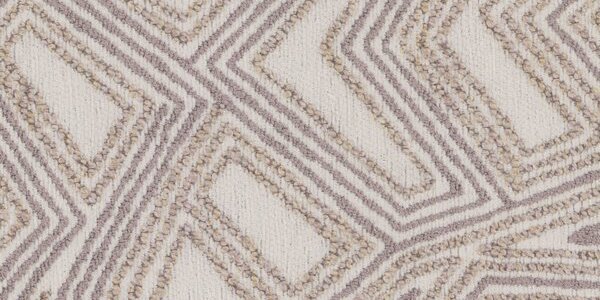
Solid fabrics in warm neutrals like beige, cream, grey, or warm brown tend to read as intentional in almost any interior setting. They're also easier to accessorize with throw pillows that shift seasonally. Blue and green tones in the right saturation are having a strong moment in home decor right now and translate well between outdoor and indoor aesthetics. Multi-colored woven fabrics can work beautifully if the palette feels cohesive rather than purely summery.
The practical advantage of shopping at Famcorf Fabrics is being able to browse by color category alongside fabric type, so you can find a solution-dyed acrylic in exactly the beige or slate blue that works for your space without compromising on performance.
Frequently Asked Questions
Q: What is the best upholstery fabric for outdoor furniture that gets stored indoors during winter?Solution-dyed acrylic is the best choice for outdoor furniture that transitions indoors for winter storage. It resists UV fading, dries quickly, handles moisture without developing mildew, and stores well without deteriorating. High-quality acrylic upholstery fabric can exceed 50,000 double rubs, making it extremely durable for repeated seasonal use.
Q: Can I use velvet or chenille fabric on outdoor furniture?No. Velvet and chenille are not suitable for outdoor use. Both fabrics trap moisture, are prone to mildew when exposed to humidity or rain, and the pile can be permanently damaged by UV exposure and prolonged sun. These fabrics are best reserved for indoor upholstery that stays in a climate-controlled environment year-round.
Q: Will vinyl upholstery fabric crack if stored in a cold garage over winter?Standard vinyl can stiffen or crack in temperatures below freezing, especially lower-grade formulations. If your outdoor furniture cushions are covered in vinyl or faux leather and you're storing them in an unheated garage, aim to keep the space above 40°F or store cushions against an interior wall where temperatures stay more stable. Higher-quality faux leather products are generally more cold-flexible than basic vinyl.