
Upholstery Fabric for Outdoor Summer Furniture: Why the Stakes Are Higher Than You Think
Picking upholstery fabric for outdoor summer furniture is a completely different problem than picking fabric for your living room sofa. Indoor fabrics live in a controlled environment. Outdoor fabrics get hit with direct sunlight, humidity, the occasional splash from a sprinkler, and then get folded up and stuffed into a shed or garage for the better part of the year. Most fabrics can't handle that cycle. The ones that can are built differently, and knowing which ones those are will save you a lot of money and frustration.
The good news is that several fabric categories available for upholstery projects are genuinely built for this kind of punishment. You just need to know what properties to look for and which fiber types deliver them. This guide covers exactly that, starting with the fundamentals and getting into specific fabric recommendations you can actually shop for.
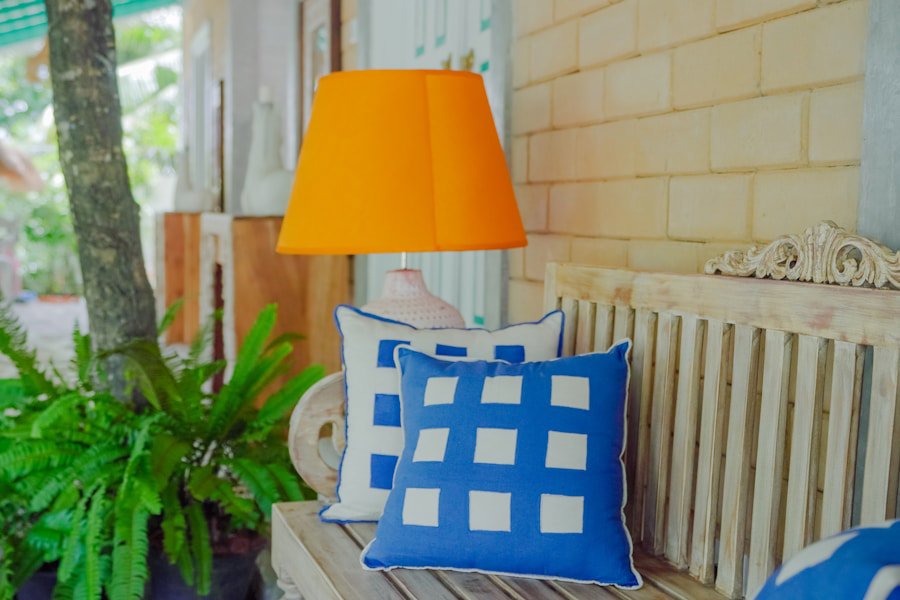
Photo by sidath vimukthi on Unsplash
What Makes a Fabric Truly Suitable for Outdoor Use and Off-Season Storage?
A fabric suited for outdoor furniture and seasonal storage needs to pass four tests: UV resistance, moisture resistance, mold and mildew resistance, and physical durability. Miss any one of those and you'll be replacing cushions sooner than you planned.
- UV resistance: Sunlight degrades fiber at the molecular level. Fabrics that are not UV-stabilized will fade, weaken, and eventually crack or fray after a single summer of direct exposure. Solution-dyed acrylic fibers, where the color is locked into the fiber during manufacturing rather than applied as a surface dye, retain color and structural integrity far longer than piece-dyed alternatives. Some solution-dyed acrylics are rated to resist fading for up to 1,000 hours of direct UV exposure.
- Moisture resistance: Humidity in a closed garage or shed can be brutal. Fabrics that absorb moisture and can't dry out become breeding grounds for mold and mildew. Tightly woven synthetic fabrics and vinyl-based materials resist moisture absorption far better than natural fiber weaves.
- Mold and mildew resistance: This is related to moisture but worth calling out separately. Some fabrics are treated with antimicrobial finishes that actively resist mold growth. Others, like solution-dyed acrylic, are naturally inhospitable to mold because moisture sits on the surface rather than penetrating the fiber.
- Physical durability: Double rub count is the standard measure here. A double rub is one back-and-forth motion across the fabric surface in an abrasion test. Outdoor fabrics that see regular use and seasonal handling should have a double rub count of at least 30,000. Heavy-duty outdoor upholstery often reaches 100,000 or higher.
Which Fabric Types Hold Up Best for Summer Outdoor Furniture?
The short answer: solution-dyed acrylic, vinyl, and tightly woven synthetic blends are your most reliable choices. Here's the longer version.
Vinyl and Faux Leather
Vinyl is one of the most practical fabrics you can put on outdoor summer furniture. It doesn't absorb water, it cleans up with a damp cloth, it resists mold by default, and it handles temperature fluctuations during storage reasonably well. Faux leather made with a polyurethane or PVC backing performs similarly and tends to look more polished if aesthetics matter to you. The tradeoff is that vinyl can feel hot against bare skin in direct summer sun, so it's better suited to shaded areas or furniture that gets cushion covers rather than direct contact seating. For storage, vinyl and faux leather should be loosely stored rather than tightly folded to avoid permanent crease marks.
Solution-Dyed Acrylic and Synthetic Wovens
Solution-dyed acrylic is the gold standard for outdoor upholstery fabric performance. The dyeing process saturates the fiber entirely, so UV exposure doesn't strip the surface color the way it does with topically dyed fabrics. These fabrics also repel water rather than absorbing it, which is exactly what you want for furniture that may see damp conditions during storage. Tightly woven synthetic blends made with polyester or nylon offer similar benefits at a lower price point and often reach double rub counts above 50,000, making them genuinely tough for everyday summer use.
Woven and Textured Synthetics
Modern textured fabrics made from synthetic fibers have come a long way. A well-constructed woven synthetic can mimic the look of natural linen or cotton while offering the moisture and UV performance of a purpose-built outdoor fabric. If you want something that looks a bit more interior-styled but still handles outdoor conditions, this is the category to shop. Look for fabrics with a tight weave and a polyester or acrylic fiber content of at least 80 percent.
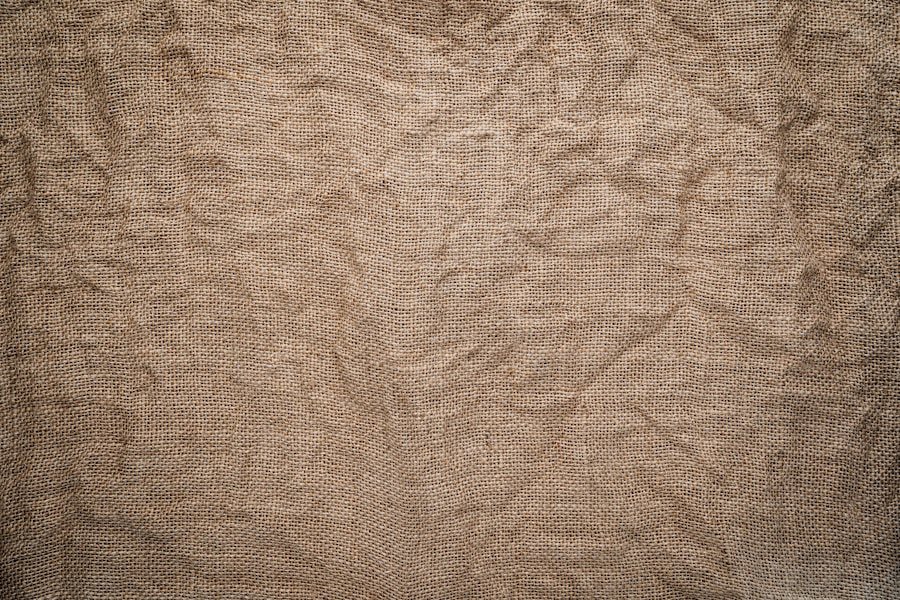
Photo by Andre Taissin on Unsplash
What Fabric Properties Prevent Deterioration During Off-Season Storage?
Off-season storage is where a lot of outdoor upholstery fabric quietly fails. The furniture gets cleaned (or doesn't), gets folded up, and sits in a garage or shed for five to seven months. By spring, some fabrics come out brittle, discolored, or spotted with mold. The right fabric properties prevent exactly that.
- Closed-cell or non-absorbent fiber structure: Fabrics that don't pull moisture into the fiber itself are far more resistant to mold growth during storage. Vinyl, faux leather, and solution-dyed acrylic all perform well here.
- Colorfastness: Fabrics with high colorfastness ratings, meaning the color doesn't bleed or shift when exposed to moisture, hold their appearance even in damp storage conditions. Look for fabrics rated at a Grade 4 or 5 on the standard colorfastness scale.
- Resistance to cold temperature brittleness: Some synthetic fabrics stiffen or crack in cold storage. Quality vinyl and acrylic formulations include plasticizers that maintain flexibility in cold conditions. Cheap vinyl in particular can become brittle below freezing and crack when unfolded in spring.
- Easy cleanability before storage: Storing fabric that still has surface debris, oils, or moisture is the fastest way to create a mold problem. Fabrics that clean thoroughly with a simple wipe-down or mild soap rinse make proper pre-storage prep much easier.
A practical tip: before storing any upholstered outdoor furniture, wipe down fabric surfaces with a solution of mild soap and water, let everything dry completely in the sun, and then store. This single step eliminates most of the conditions that lead to mold and odor by spring.
Colors and Styles That Work Well for Summer Outdoor Upholstery
Performance matters most, but you still want furniture that looks good through the summer. A few color and style notes worth keeping in mind:
- Blues and greens: These are perennially popular for outdoor spaces because they read as fresh and calm against natural backdrops. Blue and green upholstery also tends to show UV fading less obviously than deep saturated colors like red or purple, which can shift noticeably after a season of sun exposure.
- Neutrals like beige, grey, and cream: Neutral outdoor upholstery is a safe long-term bet. It pairs with almost any outdoor furniture frame color and doesn't show age as quickly when color shifts slightly from UV exposure.
- Stripes and multi-colored patterns: Classic outdoor stripe patterns are back in a big way this summer. They disguise minor wear and the pattern variation naturally draws the eye away from small stains or surface irregularities.
- Solid colors in synthetic fabric: If you prefer a clean, modern look, solid-colored synthetic wovens or vinyl options give you that aesthetic without sacrificing outdoor performance.
Honestly, the biggest mistake people make is buying beautiful fabric that has zero UV or moisture protection because it looks right. The aesthetic is only half the job. If it fades by August or comes out of storage looking rough, the look didn't matter much.
A Practical Buying Checklist Before You Order Outdoor Upholstery Fabric
Before you add anything to your cart, run through this quick checklist. It takes about two minutes and it'll save you from an expensive mistake.
- Does the fabric specify UV resistance or solution-dyed fiber construction?
- Is the double rub count listed, and is it at least 30,000 for regular outdoor use?
- Is the fiber content synthetic or at least a synthetic-dominant blend?
- Does the product description mention mold or mildew resistance?
- Is it listed as cleanable with soap and water?
- If it's vinyl or faux leather, does it specify flexibility retention in cold temperatures?
If a fabric checks most of those boxes, you're in good shape. If a fabric you love checks none of them but looks incredible, consider using it for decorative accent pieces in covered or shaded areas only, not as the primary upholstery on furniture that takes full sun and seasonal storage.
Frequently Asked Questions
Q: What is the best upholstery fabric for outdoor furniture that gets stored in a garage over winter?Solution-dyed acrylic and quality vinyl or faux leather are the most reliable choices. Solution-dyed acrylic resists UV fading, repels moisture, and resists mold during storage. Vinyl and faux leather don't absorb water at all and clean easily before storage, which dramatically reduces the risk of mold or odor after months in a shed or garage.
Q: How do I know if an upholstery fabric is UV resistant enough for outdoor use?Look for fabrics that specifically list UV resistance or are made from solution-dyed acrylic fibers. Solution-dyed acrylic is rated to resist fading for up to 1,000 hours of direct UV exposure because the color is bonded into the fiber, not just applied to the surface. If a fabric only mentions being "colorfast" without specifying UV stability, it may not hold up under direct sun exposure.
Q: Can I use indoor upholstery fabrics like velvet or chenille for outdoor summer furniture?You can, but only for furniture in covered, shaded outdoor areas that never see direct rain or damp conditions. Velvet and chenille are natural-fiber-heavy fabrics that absorb moisture readily, which makes them poor candidates for storage in humid garages or sheds. If you store cushions covered and dry and protect them from direct weather exposure, you can extend their lifespan outdoors, but they won't match the durability of purpose-built outdoor fabrics.