
Why Summer Is the Real Test for Upholstery Fabrics
If you want to know which upholstery fabrics can actually handle real life, skip the showroom and wait for July. Summer entertaining puts your furniture through things no product description really prepares you for: sunscreen-slicked arms pressed against cushions, sweaty legs on hot afternoons, body oil soaking into seat backs after a long day. The question of how to choose upholstery fabrics that won't show summer stains isn't just cosmetic. It's about whether your sofa looks presentable in six months or starts wearing a permanent shadow where everyone sits.
The good news is that fabric technology has come a long way, and a few smart choices at the buying stage will save you a lot of cleaning frustration. The not-so-good news is that some of the most popular fabrics are exactly the wrong call for summer households. We'll get into both.

What Makes a Fabric Resistant to Sweat and Body Oil?
The best upholstery fabrics for sweat and body oil resistance share a few specific properties: tight weave construction, synthetic or solution-dyed fibers, and surface treatments that prevent liquid from immediately soaking in. Fabrics with a high double rub count, which measures how many back-and-forth rubs a fabric can take before it shows wear, also tend to have denser fiber structures that resist staining in the first place. For context, a fabric rated above 30,000 double rubs is considered heavy-duty for residential use. Performance fabrics often land between 50,000 and 100,000.
Solution-dyed acrylic is one of the most stain-resistant options available. In solution-dyed fibers, the color is added to the liquid before the fiber is even formed, which means the dye is part of the fiber itself rather than sitting on the surface. That process also makes the material extremely resistant to oils and sunscreens because there's no surface coating for those substances to bond with and discolor.
Here's the thing: not every performance fabric looks or feels like outdoor furniture anymore. Many woven and chenille performance fabrics now pass the Martindale abrasion test, which is the European equivalent of double rub testing, at levels that qualify them for commercial use, while still feeling soft and looking right at home in a living room.
The Fabrics That Actually Hold Up in Summer
Some fabrics are built for this. Others really aren't. Here's a straightforward breakdown.
Vinyl and Faux Leather
Vinyl and faux leather are the easiest wins for summer stain resistance. Sweat, sunscreen, body oil, even food and drinks, sit on the surface and wipe clean with a damp cloth. There's no absorption happening at all. Modern faux leather has improved dramatically in texture and appearance, and it no longer looks like the waiting room at a 1990s dentist's office. It's a genuinely practical choice, especially for households with kids or pets who spend a lot of time on the furniture.
The trade-off is breathability. Vinyl and faux leather retain heat, which can make them uncomfortable on hot days. That said, if your living room is air-conditioned or you're furnishing a mudroom, entryway bench, or dining chairs, these materials are hard to beat.
Microfiber and Tightly Woven Synthetics
Microfiber is criminally underrated for summer use. The fibers are so fine that the weave is incredibly tight, which means liquids and oils have a harder time penetrating the surface before you can blot them up. It's also soft, affordable, and available in almost every color. Look for microfiber with a stain-resistant finish for maximum summer performance.
Tightly woven synthetic blends, including many modern woven and jacquard fabrics made with polyester or nylon content, also perform well. A polyester-based jacquard at 50,000 or more double rubs will handle daily summer lounging without developing those greasy seat-back stains that plague natural fibers.
Chenille
Honestly, chenille is criminally underrated. It has a plush, velvety look that people associate with luxury, but it's a practical fabric that cleans up reasonably well, especially in blended constructions with polyester content. It tends to absorb less than pure cotton, and the texture is forgiving in terms of showing minor marks. Just make sure you're buying a chenille blend rather than a 100% cotton chenille, which will stain more easily and show oils faster.
Performance Velvet
Velvet gets a bad rap as a high-maintenance diva fabric, but performance velvet is a different animal. Performance velvet fabrics are typically backed with a stain-resistant treatment and woven from polyester or solution-dyed fibers that resist oils and moisture. The pile direction can temporarily show where someone sat, but the stains themselves wipe away cleanly. If you love the look of velvet but have a busy household, performance velvet is worth a serious look.
What to Avoid in Summer
- 100% linen: Beautiful, breathable, and absolutely terrible at resisting body oil. Linen absorbs moisture and oils quickly and stains permanently without a treatment applied.
- Untreated cotton: Same issue as linen. Cotton is porous by nature and will absorb sweat and sunscreen like a sponge.
- Light-colored velvet without a performance treatment: The pile traps oils and the stains are nearly impossible to reverse.
- Silk or silk-look fabrics: A summer sofa fabric this is not. Even body heat can cause water marks on silk.
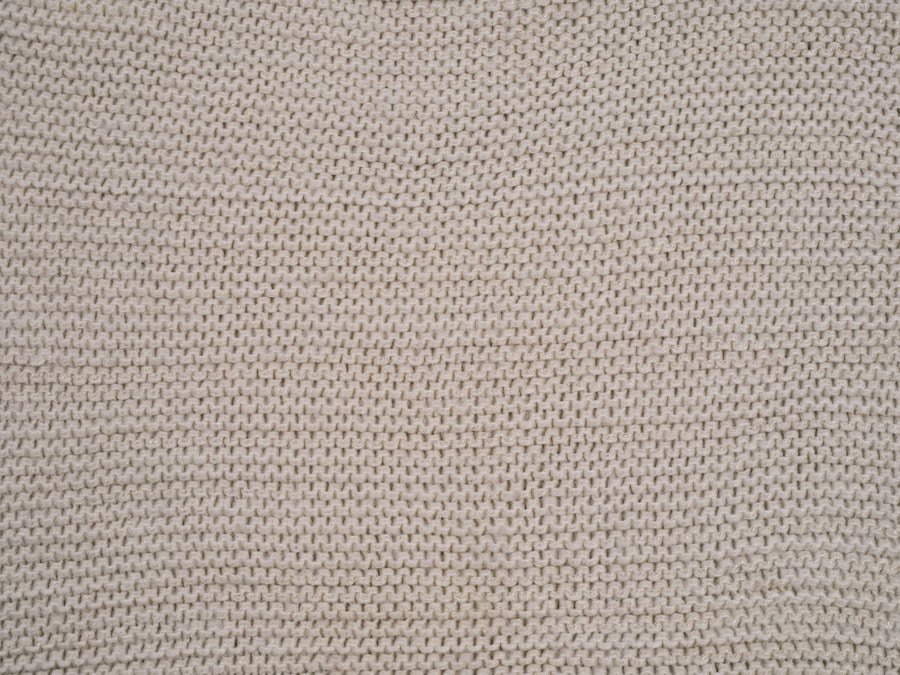
Photo by engin akyurt on Unsplash
What Colors Hide Summer Stains Best?
Color strategy matters just as much as fiber choice. The best colors for hiding sweat stains, body oil marks, and sunscreen residue are mid-tones and patterns rather than extremes. Here's why: very light fabrics show oily residue as a darkened patch, and very dark fabrics show dried sunscreen and salt residue as a light film. Both are hard to avoid entirely in a household where people sit down after being outside.
Mid-tone colors sit in the sweet spot. Consider:
- Warm greiges and taupes (think beige-grey blends): These neutrals are incredibly forgiving because they're close in tone to most body oil stains and dried sweat marks.
- Medium blues and blue-greys: Stains don't pop against these tones the way they do on navy or pale blue. Blue also reads as fresh and cool, which is a nice visual bonus in summer.
- Warm browns and tans: Similar logic to greige. The warm undertones absorb the visual noise of minor staining.
- Multi-colored patterns and textures: A patterned fabric hides stains the way a busy kitchen floor hides crumbs. The visual complexity breaks up any marks before your eye even registers them. Boucle, textured wovens, and designer prints all benefit from this effect.
Colors to think carefully about: bright white, stark navy, and pure black. All three make oil residue and sunscreen marks highly visible, and they require much more frequent cleaning to stay looking sharp.
Practical Buying Tips for Summer-Ready Upholstery
When you're shopping for fabric, keep these specifics in mind:
- Look for "performance fabric" labeling. This usually means the fabric has been treated for stain resistance, often with a fluorocarbon or water-based finish. Ask specifically whether the treatment is applied to the surface or whether the fibers are inherently stain-resistant.
- Check the double rub count. For a sofa that gets daily use in summer, aim for at least 30,000 double rubs. Anything above 50,000 is genuinely durable.
- Look for solution-dyed fibers. If you see "solution-dyed acrylic" or "solution-dyed polyester" in the product description, that's a strong indicator of oil and stain resistance.
- Order swatches before you commit. Get samples of your top two or three choices, put them on your actual furniture, and leave them there for a few days. See how they look in your light, how they feel, and whether the color works in your room.
- Consider a fabric protector spray. Even a good performance fabric benefits from a spray-on protector applied after installation. It adds an extra layer of stain resistance and extends the time before a spill turns into a stain.
Frequently Asked Questions
Q: What is the best upholstery fabric to resist sweat and body oil stains in summer?Solution-dyed acrylic, performance polyester blends, vinyl, and faux leather are the most resistant to sweat and body oil because they have either non-porous surfaces or inherently stain-resistant fibers that don't absorb oils readily. For a fabric that looks and feels like home furniture rather than outdoor or commercial material, look for a performance chenille or performance velvet with polyester content and a double rub count above 50,000.
Q: What color upholstery hides summer stains the best?Mid-tone neutrals like warm beige, greige, tan, and medium blue are the most forgiving choices. They sit between the extremes where stains show most visibly. Multi-color patterns and textured fabrics like boucle or woven prints also do a very good job of visually concealing minor marks between cleanings.
Q: Can I put a stain-resistant treatment on any upholstery fabric to protect it in summer?Yes, spray-on fabric protectors designed for upholstery can be applied to most fabric types and will improve stain resistance by causing liquids to bead on the surface rather than absorb immediately. They work best on natural fibers like cotton and linen that are otherwise vulnerable to oils and sweat. Reapply the treatment after cleaning, as washing removes the protective layer.