
Choosing upholstery fabrics for a transitional living space is one of those decisions that sounds simple until you're standing in a room that needs to impress dinner guests on Saturday and survive a juice box incident on Sunday. That's the reality of a dual-purpose room, and it's exactly why spring is such a good time to take stock of what's on your furniture and whether it's actually working for you. The right fabric can hold its own through both scenarios without sacrificing an ounce of style.
Transitional spaces are rooms that live in between. They're not fully formal, not fully casual. They host holidays and homework. They see wine glasses and soccer cleats. Picking upholstery for these rooms means thinking about more than just color. You're making a call on fiber type, weave structure, texture, cleanability, and how the whole thing reads visually when the lights are low for a dinner party versus blazing bright on a Sunday afternoon.
Spring is also a great nudge to freshen up. Lighter colors feel more natural this time of year, and many people are itching to swap out heavier, darker winter palettes for something that breathes a little. The good news is that several spring-forward fabric options are genuinely tough enough to handle real family life.
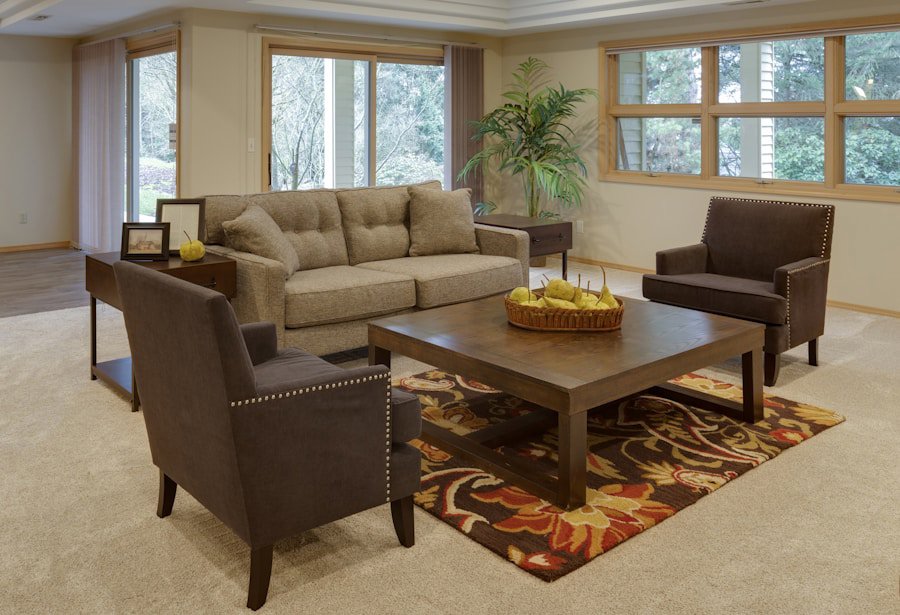
Photo by Francesca Tosolini on Unsplash
What Makes a Fabric Right for a Dual-Purpose Room?
A dual-purpose room needs fabric that performs under two very different sets of conditions. Durability is the starting point. One of the most useful numbers to know when shopping for upholstery is the double rub count. This is exactly what it sounds like: a standardized test where a machine rubs back and forth across the fabric to simulate wear. One back-and-forth motion equals one double rub. For a family living room that sees regular daily use, you want a fabric rated at a minimum of 15,000 double rubs. For high-traffic situations with kids and pets, aim for 30,000 or higher.
Style matters too, of course. In a transitional space, you want something that doesn't scream "this is a formal museum" but also doesn't look like it belongs exclusively in a playroom. Fabrics with subtle texture, tone-on-tone patterns, or muted prints tend to thread that needle well. They add visual interest without overwhelming a room that needs to serve multiple audiences.
- Texture over flat solids: Woven fabrics, boucle, and chenille add dimension that reads as intentional and elevated without being precious.
- Mid-tone colors: Deep creams, warm greiges, soft blues, and sage greens work hard in both formal and casual settings. They're forgiving of shadows and light changes throughout the day.
- Performance fibers: Look for fabrics blended with polyester or acrylic. They hold up to cleaning and resists fading better than natural-only fibers in high-use situations.
- Pattern scale: Medium-scale patterns hide daily wear better than large bold prints or stark solids. A small woven stripe or a subtle jacquard design is your friend here.
Which Upholstery Fabrics Work Best for Spring Transitional Spaces?
The best fabrics for spring transitional spaces are ones that feel lighter and fresher visually while still delivering the durability a family room demands. That means thinking about weight, fiber content, and finish together rather than separately.
Chenille
Honestly, chenille is criminally underrated. It's soft, it photographs beautifully, and a well-constructed chenille with a high double rub count (look for 30,000+) holds up surprisingly well in family settings. The texture has a way of making a room feel warm and styled at the same time. For spring, reach for chenille in dusty blues, warm creams, or soft greens. These tones feel seasonal without being trendy in a way you'll regret next year.
Linen and Linen Blends
Linen is spring's unofficial fabric. It's breathable, it has that relaxed yet refined quality that works in a transitional room, and the natural texture adds visual interest without a pattern. Pure linen can wrinkle and stain more easily than blends, so look for linen blended with polyester or acrylic for everyday use. A linen-poly blend typically rates between 15,000 and 25,000 double rubs depending on the weave construction, which puts it comfortably in the livable range for most households.
Velvet
Velvet gets a bad rap for being fussy, but modern performance velvets are a different story. Many are solution-dyed, meaning the color is built into the fiber itself rather than applied to the surface. Solution-dyed fabrics resist fading significantly better than surface-dyed options, which matters if your room gets afternoon sun. Performance velvet in a soft sage, dusty rose, or pale blue is one of the best ways to get that elevated formal look while still being able to wipe up a spill without drama. Look for velvet rated at 100,000 double rubs or more if you're dealing with heavy use.
Woven and Jacquard Fabrics
Woven fabrics, including jacquards, are excellent for transitional rooms because the pattern is built into the structure of the fabric, not printed on. That means it doesn't peel, crack, or fade the way a printed design can. Jacquard weaves with geometric or botanical motifs are especially on trend for spring right now. They feel considered and layered without requiring you to do much else in the room. These fabrics typically perform well in the 25,000 to 50,000 double rub range depending on fiber content.
Boucle
Boucle has had its moment in interior design circles, and it's earned it. The looped, textured surface adds a warmth and softness that reads as casual but looks genuinely stylish. For a room that entertains, a boucle accent chair or a boucle sofa in a neutral cream or warm white strikes exactly the right balance. One note: boucle snags more easily than tighter weaves, so it's a better choice for lower-traffic pieces or homes without cats who treat furniture as scratch posts.
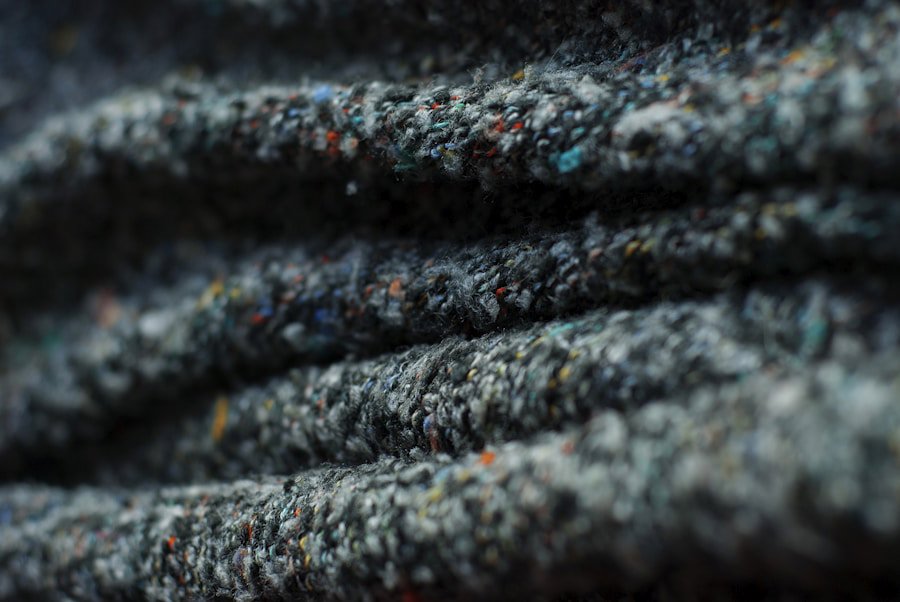
Photo by Olga Kovalski on Unsplash
How to Clean and Maintain Upholstery in High-Use Rooms
Cleanability should be part of every fabric decision you make, especially in a transitional space. Every upholstery fabric sold comes with a cleaning code, and knowing how to read it saves you from ruining a piece with the wrong method.
- W: Water-based cleaning. Safe for most water-soluble stains.
- S: Solvent cleaning only. Water can leave rings or damage the fabric.
- W/S: Both methods are safe. This is the most flexible option for families.
- X: Vacuum only. No liquid cleaning at all. Avoid this code for high-use pieces.
For families with kids or pets, fabrics with a W or W/S cleaning code are the practical choice. Performance fabrics treated with stain-resistant finishes, or those made with solution-dyed fibers, give you the most flexibility. Many modern performance velvets and woven fabrics fall into this category and handle a damp cloth or mild upholstery cleaner without complaint.
Also, don't underestimate the value of removable cushion covers. If you're reupholstering or ordering custom, specifying a zipper closure on cushion covers is one of those decisions you will thank yourself for every single time something spills.
Spring Color Palettes That Work Across Both Formal and Casual Settings
Color is where a lot of people get stuck when choosing fabric for transitional spaces. Go too bold and it feels like a commitment. Go too safe and the room feels unfinished. The key is to lean into the mid-tones that spring naturally offers.
Right now, warm neutrals with a hint of color are doing a lot of heavy lifting in transitional living rooms. Think: creamy whites with a warm undertone, soft sage greens, dusty slate blues, and muted terracotta. These colors are formal enough for a dinner party setting and relaxed enough that they don't feel out of place during a casual evening at home.
- Soft blue and cream: Classic and fresh for spring without feeling predictable. Works beautifully in linen blends and chenille.
- Warm greige: The transitional room's best friend. Picks up warmth from natural light and reads as both neutral and intentional.
- Sage green: One of the strongest color stories in home decor right now. Pairs with natural wood tones and metallic accents with zero effort.
- Dusty rose: Surprisingly versatile in velvet or woven form. It reads as sophisticated, not sweet, when paired with deeper neutrals.
Frequently Asked Questions
Q: What is the most durable upholstery fabric for a living room with kids and pets?Performance velvet and tightly woven polyester blends are generally the most durable options for high-use living rooms. Look for fabrics with a double rub count of 30,000 or higher, a W or W/S cleaning code, and solution-dyed fibers for the best stain and fade resistance. Many performance velvets rate at 100,000 double rubs or more, making them a strong choice for families.
Q: Is linen a good upholstery fabric for a dual-purpose room?A linen blend is a better choice than pure linen for rooms that see regular daily use. Pure linen wrinkles easily and can be harder to clean, but linen blended with polyester or acrylic offers a similar look and feel with significantly better durability and cleanability. Look for a blend rated at 15,000 double rubs or more for everyday family use.
Q: How do I choose upholstery fabric for a room that needs to look both formal and casual?Focus on fabrics with natural texture, subtle pattern, and mid-tone color. Chenille, woven jacquards, and performance velvet in neutral or muted tones tend to work well in transitional spaces because they add visual interest without committing fully to either a formal or casual aesthetic. Prioritize a W/S cleaning code for maximum flexibility, and aim for a double rub count of at least 25,000 for furniture that sees daily use.