
Spring Upholstery Fabrics for Outdoor Living Spaces: What Actually Holds Up
Spring upholstery fabrics for outdoor living spaces need to do a lot more work than your average sofa fabric. They have to fight UV rays, handle humidity, survive the occasional forgotten rain shower, and still look like you put thought into them. The good news is that the category has come a long way. You're no longer stuck choosing between "ugly and durable" or "beautiful and destroyed by August." There are genuinely great options right now, and spring is the ideal moment to get ahead of the season before your outdoor furniture sits bare for another year.
Whether you're furnishing a sunroom that gets full afternoon sun, a screened porch that sees morning dew, or a covered patio that hosts every family gathering, fabric selection is the decision that determines how long everything lasts and how good it looks doing it. Here's what you need to know.
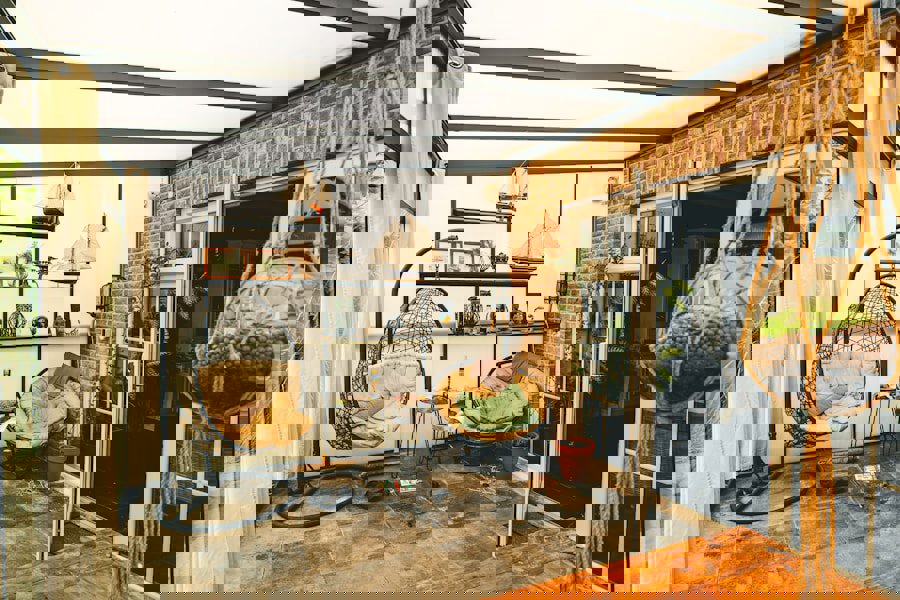
Photo by Hakim Menikh on Unsplash
What Makes a Fabric Actually Suitable for Outdoor and Sunroom Use?
The single most important factor in outdoor upholstery is UV resistance. Fabrics that aren't treated or engineered for sun exposure can lose up to 50% of their color intensity within a single season of direct sunlight. That's not a worst-case scenario. That's what happens to standard indoor fabrics left in a sunny sunroom from March through September.
There are a few specific properties worth understanding before you buy:
- Solution-dyed construction: This means the color pigment is added during the fiber manufacturing process, not applied to the surface afterward. Solution-dyed fibers hold their color dramatically longer under UV exposure because the dye goes all the way through the fiber. If you scratch the surface, the color is still there.
- Double rub count: This is the industry measurement for how much abrasion a fabric can take before showing wear. One "double rub" simulates a single back-and-forth motion, like someone sitting down and getting up. For outdoor or high-traffic indoor use, you want a minimum of 30,000 double rubs. Quality outdoor fabrics often rate at 50,000 or higher.
- Mold and mildew resistance: Outdoor fabrics need to handle moisture without growing anything unwelcome. Look for fabrics that are either treated with a mold inhibitor or made from synthetic fibers that don't absorb water the way natural fibers do.
- Breathability: This matters especially for sunrooms. A fabric that traps heat makes cushions uncomfortable on warm spring afternoons. Woven synthetics and textured fabrics tend to breathe better than smooth vinyls in hot conditions.
The Martindale abrasion test (a European standard equivalent to double rub count) rates fabric durability on a similar scale. A fabric rated at 25,000 Martindale cycles or above is considered suitable for heavy domestic use, which is the minimum bar you should set for any outdoor seating that gets regular use.
The Best Fabric Types for Outdoor Living Spaces and Sunrooms This Spring
Not every fabric category works outdoors. Here's an honest breakdown of what performs, what surprises people, and what to skip.
Solution-Dyed Acrylic
Solution-dyed acrylic is the gold standard for outdoor upholstery fabric. Brands like Sunbrella use this construction, and there's a reason it's the most recommended fabric in outdoor design. It resists UV fading, handles moisture, cleans up with mild soap and water, and comes in a wide range of colors and textures. For sunrooms with large windows or any space that gets more than four hours of direct sun daily, this is the category to prioritize. It's not the cheapest option, but it's genuinely worth the investment when you consider how quickly inferior fabrics fail.
Vinyl and Faux Leather
Vinyl is completely waterproof, which makes it appealing for outdoor use. It cleans easily, stands up to spills and pets, and works well for dining chairs, benches, and accent pieces. The limitation is heat. Vinyl and faux leather surfaces absorb and retain heat in direct sun, which means outdoor cushions can become uncomfortably hot on a warm spring day. In a shaded patio or covered sunroom, this isn't an issue. In full afternoon sun, it's a real comfort problem. Faux leather specifically has come a long way in texture and appearance and can look genuinely sophisticated in a sunroom setting when you want that indoor-luxury feel with easier maintenance.
Outdoor-Rated Woven Fabrics
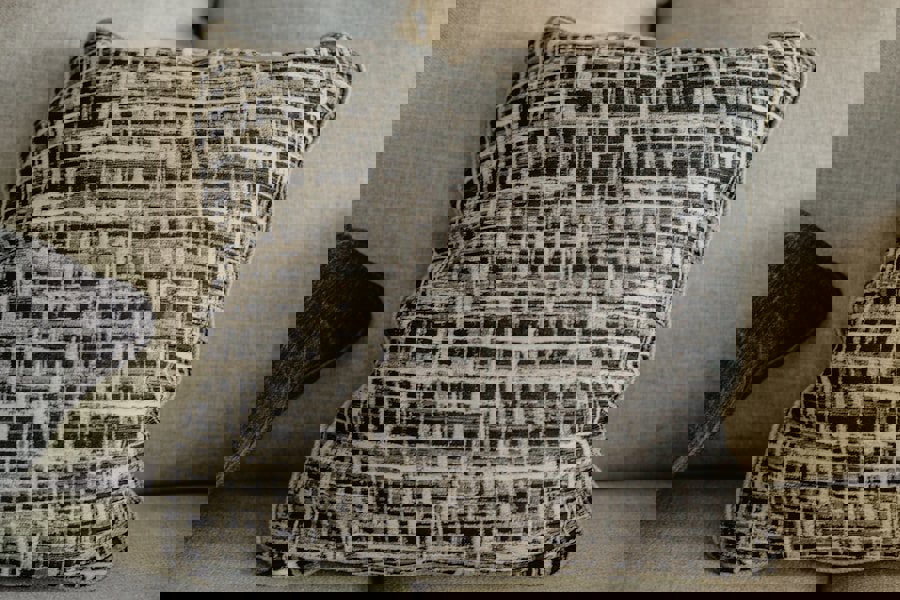
Woven fabrics treated for outdoor use bring a lot of visual interest without sacrificing performance. Jacquard-style wovens with geometric or botanical patterns are trending hard this spring, especially for sunrooms where people want the space to feel like an extension of the home's interior rather than a separate outdoor zone. Look specifically for wovens labeled "solution-dyed" or "outdoor-rated" rather than standard decorative wovens, which typically aren't built for UV exposure or humidity.
Olefin (Polypropylene)
Olefin is one of the most underrated outdoor upholstery fibers. It's naturally solution-dyed during production, inherently resistant to moisture and mildew, and rated for outdoor use without additional treatments. Olefin fabrics typically achieve double rub counts of 30,000 to 100,000 depending on construction. They're also more affordable than acrylic alternatives, which makes them a smart choice if you're working with a tighter budget but still want legitimate durability.
How to Bridge Indoor and Outdoor Style Without It Looking Disconnected
The biggest design mistake people make in sunrooms and transitional outdoor spaces is treating them as completely separate from the rest of the house. The result is a room that feels like a hotel lobby rather than a part of your home. Spring 2025 interior trends are leaning into continuity, bringing indoor warmth and texture into outdoor spaces rather than keeping everything starkly utilitarian.
Here's how to make that transition work:
- Match your color palette to the interior adjacent room. If your living room has warm neutrals and blue accents, carry those same tones into your sunroom or porch. You don't need to match exactly. Even pulling one accent color ties the spaces together.
- Use indoor-style silhouettes in outdoor-rated fabrics. A tightly upholstered outdoor sofa in a textured woven acrylic reads as interior furniture, not patio furniture. The construction looks the same. Only the fabric is engineered for the environment.
- Layer with outdoor-safe throw pillows in complementary patterns. Solid-colored cushions with patterned accent pillows in coordinating tones (florals, stripes, or modern geometric prints) give the space the kind of layered look you'd see in any well-styled living room.
- Don't underestimate neutrals. Beige, cream, grey, and warm white perform really well in sunrooms because they reflect light, feel fresh in spring, and work with almost any accent color. The concern about light fabrics getting dirty outdoors is valid, but solution-dyed fabrics in light tones are far more forgiving than people expect.
Honestly, the sunroom is one of the most fun spaces to design because the rules are looser. You can mix a woven texture you'd normally use on a living room sofa with outdoor-specific cushion fabric and have it look completely intentional. Spring's color direction this year leans toward greens, warm terracottas, soft blues, and earthy neutrals, all of which translate beautifully into outdoor-rated fabric collections.
What Are the Easiest Outdoor Upholstery Fabrics to Clean?
The easiest outdoor upholstery fabrics to clean are solution-dyed acrylics and olefin-based synthetics, both of which can typically be cleaned with a mild soap and water solution without risk of damage to the color or structure.
Most outdoor-rated synthetic fabrics are non-porous enough that spills and dirt sit on the surface rather than absorbing into the fiber. This is a real advantage over natural fibers like cotton or linen, which absorb moisture quickly and can develop mold in humid outdoor conditions. For most everyday dirt, a damp cloth handles it. For tougher stains, a 1:4 bleach-to-water solution is safe for most solution-dyed acrylics without affecting the color, which is genuinely impressive given how destructive bleach is to standard fabrics.
If you have kids or pets, which most of us do, solution-dyed acrylic or olefin is the practical answer. They take abuse well, they don't hold odors the way foam-backed fabrics can, and they dry quickly after a rain or an accidental hose-down.
Buying Tips Before You Commit
A few things worth checking before you place an order:
- Always confirm the fabric is specifically rated for outdoor or high-UV exposure. "Indoor/outdoor" labeling is a good sign. "Decorative" fabric is not built for sunrooms or patios regardless of how it looks.
- Order samples first. Color rendering on screens is inconsistent, and texture is something you can only judge in person. Most online fabric retailers, including famcorfabrics.com, offer fabric samples so you can see and feel the material before committing to yardage.
- Think about your specific sun exposure. A north-facing screened porch is a very different environment from a south-facing sunroom. Higher sun exposure means UV resistance needs to be your top priority. Lower sun exposure gives you more flexibility to use fabrics that look great indoors, as long as they can handle occasional moisture.
- Calculate yardage generously. Outdoor cushions and upholstery often require more fabric than equivalent indoor projects because pattern matching and seam allowances for weather-resistant construction add up. When in doubt, order an extra half yard per cushion.
Frequently Asked Questions
Q: What is the best upholstery fabric for a sunroom that gets a lot of direct sunlight?Solution-dyed acrylic is the best upholstery fabric for sunrooms with significant direct sun exposure. The dyeing process happens at the fiber level, which means the color resists UV fading far better than surface-dyed or standard indoor fabrics. Look for fabrics specifically labeled as outdoor-rated or UV-resistant for the longest performance.
Q: Can I use regular indoor upholstery fabric for outdoor furniture?Standard indoor upholstery fabrics are not designed for outdoor conditions and will typically fade, develop mold, or break down within a single season when exposed to UV light and moisture. For any space with direct sun or humidity exposure, you need fabrics specifically rated for outdoor or high-UV environments, such as solution-dyed acrylics or outdoor-grade olefin.
Q: How do I make my outdoor or sunroom furniture look stylish, not just functional?Choose outdoor-rated fabrics in colors and patterns that match or complement your indoor spaces. Spring 2025 trends favor warm neutrals, soft greens, and earthy terracotta tones, all of which are available in durable outdoor fabric constructions. Layering solid-base cushions with patterned accent pillows in the same color family creates a finished, interior-quality look without sacrificing weather resistance.