
Upholstery fabric backing is the layer bonded or laminated to the underside of a fabric, and it's the single biggest reason two fabrics that look identical can perform completely differently on a sofa. If you've ever had a chair seam split within a year of reupholstering, or a "durable" vinyl crack at a fold, backing is usually the culprit nobody talks about. Let's fix that.
Most shoppers pick fabric by color and hand feel, which makes sense. But the backing determines whether your fabric will stretch out of shape on a curved arm, hold a seam under a toddler's daily gymnastics, or tear the second a dog's nail catches it. This guide breaks down the three backing types you'll actually encounter, what each one means in practical terms, and how to check for it before you buy.
What Is Upholstery Fabric Backing?
Backing is a secondary material, usually a knit or woven textile, that's fused to the reverse side of an upholstery fabric or vinyl to add stability. Think of it as the fabric's skeleton. Without it, many fabrics (especially vinyl and faux leather) would stretch, sag, and tear far too easily to survive daily furniture use.
Backing isn't decorative and you'll rarely see it once a piece is upholstered, but it does more work than the face fabric in terms of long-term durability. A fabric house can put a gorgeous pattern on a weak backing and it will still fail early. That's why serious buyers ask about backing construction, not just thread count or color.
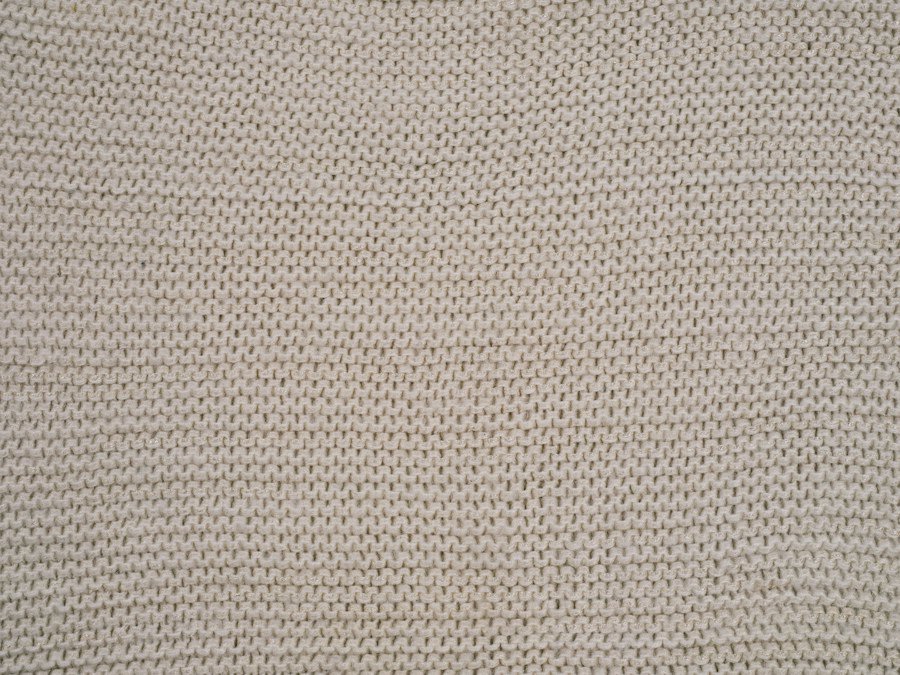
Photo by engin akyurt on Unsplash
The Three Backing Types You'll Actually Run Into
Nearly every upholstery-weight fabric and vinyl on the market uses one of these three constructions:
- Knit backing: A stretchy, interlocked knit fabric bonded to the back. It flexes in multiple directions, which makes it forgiving over curves and rounded furniture, but that same stretch can allow seams to shift under heavy tension.
- Woven backing (also called scrim): A tightly woven, grid-like fabric with almost no give. Scrim-backed materials hold their shape, resist stretching, and keep seams locked in place, which is why most commercial and pet-household vinyl uses this construction.
- Unbacked fabric: No backing at all, just the face fiber. Common in natural fiber upholstery like linen or cotton weaves, unbacked fabric is lighter and breathes better, but it has the least tear resistance and the most potential for seam slippage over time.
Here's the honest takeaway: there's no single "best" backing. A knit-backed vinyl is the right call for a curved recliner, while a scrim-backed vinyl is the right call for a dining bench that gets scooted across the floor daily.
How Does Backing Affect Stretch and Seam Stability?
Knit backing stretches with the face fabric, so it drapes better over curves but is more prone to seam creep under constant pulling. Woven/scrim backing resists stretch almost entirely, holding seams tight but making it harder to fit over rounded or irregular furniture shapes.
Seam stability matters more than most homeowners realize until a seam actually pops. If you're upholstering a piece with sharp corners, tight tack-down points, or lots of tufting, a scrim-backed fabric will hold those stress points far longer. If you're working with a rolled arm or barrel chair, a knit-backed material will conform without puckering. Interior workrooms will tell you the same thing: match the backing to the silhouette, not just the fiber content.
Does Fabric Backing Affect Tear Resistance?
Yes, significantly. Woven scrim backing generally delivers the highest tear resistance because the grid structure distributes stress across multiple fiber directions instead of concentrating it at one point.
This is exactly why heavy-duty vinyl for commercial seating, medical furniture, and high-traffic family rooms almost always specifies a scrim or woven backing. Knit-backed vinyl can still perform well, but it's more likely to run or propagate a small nick into a larger tear, similar to a pull in a stocking. Unbacked woven fabrics sit in the middle: natural fibers like heavyweight cotton or linen have decent inherent tear strength, but without a backing layer there's nothing stopping a small snag from becoming a larger rip once it starts.
If you've got dogs with active claws or kids who treat the sofa like a trampoline, ask specifically for scrim-backed or woven-backed vinyl. It's a small spec detail that makes a real difference over five years of daily use.
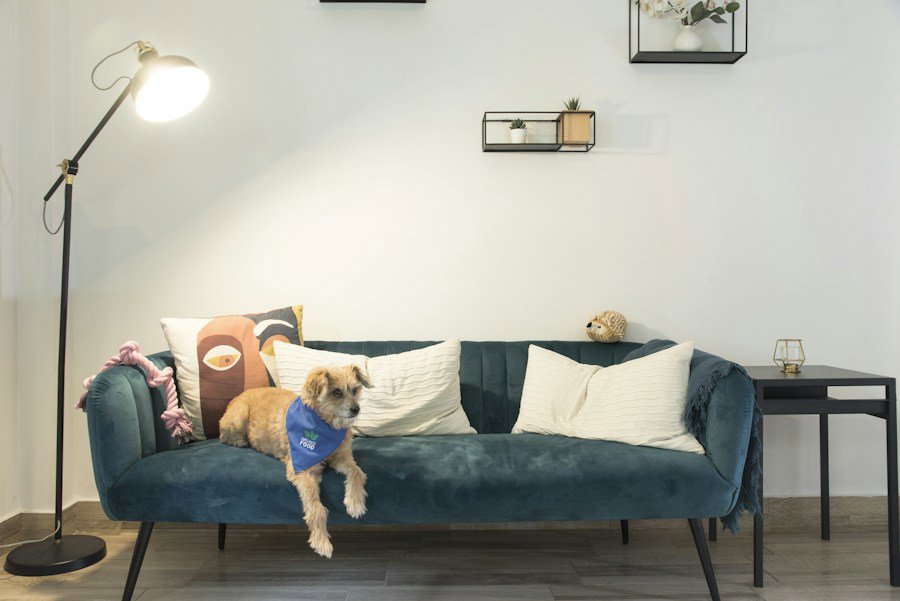
Photo by Real Natures Food on Unsplash
Backing and Reupholstery: What Happens Over Old Foam
Backing type changes how easy a fabric is to work with when you're reupholstering over existing foam and frame. Knit-backed fabric has natural give, so it's more forgiving when stretching over slightly uneven or compressed old foam, hiding minor lumps and inconsistencies.
Woven/scrim-backed fabric won't stretch to disguise foam imperfections the same way, which means upholsterers often need to add a fresh foam layer or batting first to get a smooth finish. It's a tradeoff: knit backing is more forgiving on tired foam, but scrim backing gives you a tighter, longer-lasting final result if the foam underneath is refreshed. If your project is a straightforward re-cover on a chair with foam that's still in decent shape, knit-backed fabric can save you a repair step. If you're already replacing foam and batting anyway, scrim-backed vinyl or fabric is worth the extra prep for the durability payoff.
Repairability follows the same logic. Knit-backed vinyl patches and stretches more easily for small repairs, while scrim-backed materials hold a patch or stitched repair more securely over time because the backing won't distort around the repair site.
Why Backing Matters Most on Vinyl and Heavy-Duty Fabric
Vinyl performance is almost entirely a backing story. The face material (the vinyl coating itself) contributes color and texture, but the backing is what determines whether that vinyl survives years of contact, cleaning chemicals, and flexing.
Commercial-grade vinyl is commonly rated using the Martindale abrasion test or double rub counts, with anything above 15,000 double rubs considered heavy-duty residential performance and 30,000+ entering commercial territory. A scrim-backed vinyl paired with a rating above 30,000 double rubs is a legitimate long-haul choice for a busy family room sectional or a rental property couch that needs to survive tenant turnover after tenant turnover.
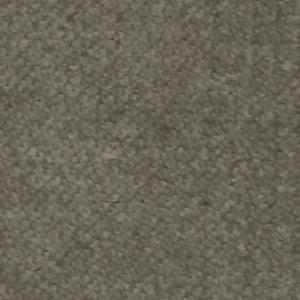
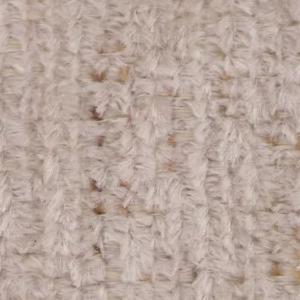
If you're shopping our vinyl upholstery fabrics, ask about backing construction directly, since it's not always listed prominently on a product page. The same logic applies to textured heavy-duty fabrics like chenille upholstery fabric, which often uses a light woven backing to keep its looped pile from shifting or pilling under friction.
Shop All Upholstery Fabrics
How to Check a Fabric's Backing Before You Buy
You don't need a lab to spot backing quality. A few quick checks tell you most of what you need to know:
- Flip it over. Knit backing looks like a soft, slightly stretchy interlocked fabric. Woven/scrim backing looks like a visible grid or cross-hatch weave.
- Tug gently on the bias (diagonal). If it stretches noticeably, it's knit-backed. If it barely moves, it's woven or scrim-backed.
- Check the product description for double rub counts. Fabrics rated for heavy-duty or commercial use almost always specify backing type because it's part of the durability spec.
- Ask before ordering swatches for a large project. Any reputable fabric seller can tell you backing construction on request, and for a full sofa or sectional order it's worth the two-minute email.
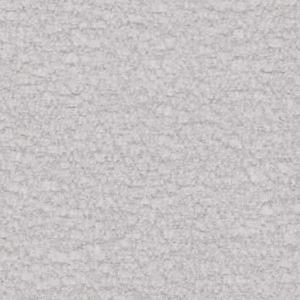
For cozy, low-traffic pieces like a reading chair or a fall-season accent pillow refresh, backing matters less and you can lean into softer, unbacked options like our boucle upholstery fabric or plush velvet upholstery fabrics without worrying too much about scrim specs.
Choosing Backing for Your Actual Furniture
Match the backing to the job, not the trend. High-traffic family sofas, dining chairs, and anything near kids or pets should lean toward woven/scrim-backed vinyl or heavy fabric. Curved, tufted, or rolled-arm furniture benefits from knit backing's flexibility. Low-use accent pieces can skip the backing conversation entirely and focus on hand feel and color.
If budget is a factor this season, our upholstery fabric sale section regularly includes heavy-duty backed vinyl and chenille at reduced prices, which is a smart place to start if you're tackling a full reupholstery project before the holidays.
Frequently Asked Questions
Q: What's the difference between knit-backed and woven-backed upholstery fabric?
Knit-backed fabric stretches in multiple directions and works well over curved furniture, while woven or scrim-backed fabric resists stretch entirely, giving it stronger seam stability and higher tear resistance for high-traffic use.
Q: Is unbacked fabric bad for upholstery?
Unbacked fabric isn't bad, but it offers less tear resistance and more potential for seam slippage than backed fabric. It works well for low-traffic pieces like accent chairs, but heavy-use furniture benefits from a knit or woven backing.
Q: Does fabric backing affect how easy a chair is to reupholster?
Yes. Knit-backed fabric stretches to forgive minor imperfections in old foam, making it easier to work with on a straightforward re-cover, while woven/scrim-backed fabric gives a tighter, more durable finish when paired with fresh foam and batting.