
Why Summer Is the Hardest Season for Upholstery Fabric
If you've ever peeled yourself off a leather sofa on a July afternoon, you already understand the problem. Summer puts upholstery fabric under a kind of stress that other seasons simply don't. Heat makes fibers expand and contract. Humidity introduces moisture that certain fabrics absorb and hold onto, which leads to musty odors, color fading, and in some cases, fabric degradation over time. When you add kids, pets, and regular daily use, the pressure compounds fast.
The good news is that upholstery fabric blends, specifically combinations like cotton-linen, polyester-cotton, and wool-silk, are engineered to handle exactly these conditions better than most pure single-fiber fabrics. Understanding which blend does what is the practical knowledge that saves you from a costly reupholstery mistake. So let's get into the specifics, starting with what actually happens to fabric in heat and humidity.
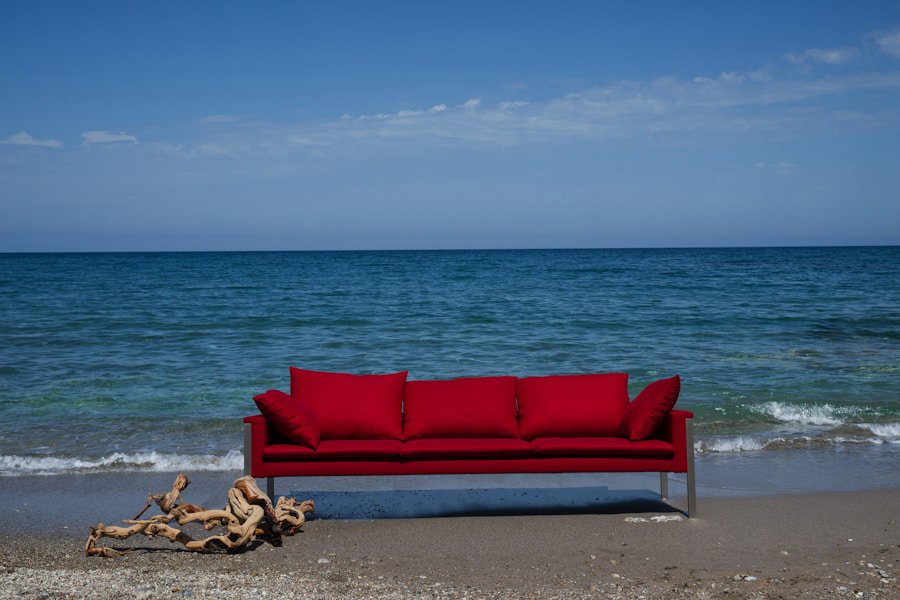
Photo by engin akyurt on Unsplash
What Happens to Pure Fibers in Hot, Humid Conditions
Pure 100% cotton breathes reasonably well, but it's a moisture sponge. In a humid environment, cotton fibers absorb atmospheric moisture and hold it, which means your sofa cushions can feel damp, heavy, and slightly sticky even without direct contact with sweat. Over a full summer, that repeated moisture cycling weakens the fiber structure and accelerates color loss.
Pure linen is better at releasing moisture than cotton, but it wrinkles aggressively and softens unevenly in high-humidity conditions. It also tends to fade faster in direct sunlight without a protective fiber partner or UV-resistant finish.
Pure polyester is the opposite problem. It doesn't absorb moisture at all, which sounds ideal until you're sitting on it in August. Without any absorbency, polyester traps heat against the surface and feels hot and clammy fast. The fabric stays structurally stable in humidity, but comfort becomes a real issue.
Wool handles humidity surprisingly well on its own, but it's expensive, it's not always pet-friendly, and it can pill noticeably under high-traffic summer conditions. Silk is beautiful but impractical for everyday upholstery, prone to water spotting and weakening under UV exposure.
Here's the thing: most of the weakness in pure fibers is correctable by blending. A well-chosen blend offsets one fiber's limitation with another fiber's strength.
How the Cotton-Linen Blend Performs in Summer Heat
The cotton-linen blend is one of the most underrated warm-weather upholstery options available. Cotton adds softness and improves the fabric's ability to accept and hold dye, while linen contributes its natural moisture-wicking ability and a looser weave structure that allows air circulation. Together, they create a fabric surface that feels genuinely comfortable in warm rooms.
A quality cotton-linen blend typically carries a double rub count, which is the industry measure of how many back-and-forth rubs a fabric can withstand before showing wear, of around 15,000 to 25,000 double rubs depending on the weave density. That's appropriate for light to moderate residential use, so it's a solid choice for living room sofas and accent chairs that don't see heavy daily punishment.
- Breathability: High. The open weave structure allows air to move through the fabric surface.
- Moisture handling: Moderate. Cotton absorbs, linen releases. The blend balances both tendencies.
- Color retention: Good, but benefits significantly from UV-blocking window treatments in sun-facing rooms.
- Cleaning: Generally spot-cleanable; many cotton-linen blends tolerate light water-based cleaning well.
- Best for: Living rooms, reading chairs, and any space where comfort and casual style are priorities.
Honestly, cotton-linen blend fabric tends to look better as it ages in summer conditions than cotton alone does. It develops a relaxed, lived-in texture that suits the current trend toward natural, organic interior aesthetics without looking worn out.
What Makes Polyester-Cotton Blends a Smart Practical Choice?
Polyester-cotton blends are the practical workhorse of summer upholstery fabric, and they consistently outperform pure versions of either fiber in real household conditions. The cotton component in the blend softens the surface feel and adds some breathability, while polyester dramatically increases durability, color stability, and resistance to moisture damage.
Polyester fibers used in upholstery blends are often solution-dyed, meaning the color is added to the fiber itself during manufacturing rather than applied to the surface afterward. Solution-dyed polyester retains color up to 500 hours of UV exposure in standardized testing, compared to surface-dyed cotton which can begin fading in as few as 50 to 100 hours of direct sunlight. In a summer living room with south or west-facing windows, that difference is significant.
A polyester-cotton blend upholstery fabric typically achieves double rub counts of 30,000 or higher, placing it firmly in the heavy residential or light commercial durability category. That's reassuring if you have kids or pets using the furniture regularly.
- Breathability: Moderate. Better than pure polyester, not quite as open as cotton-linen.
- Moisture handling: Good. Polyester resists moisture absorption; cotton helps prevent that clammy-surface feeling.
- Color retention: Excellent, especially in solution-dyed versions.
- Cleaning: Easy. Most polyester-cotton blends are highly stain-resistant and tolerate cleaning products well.
- Best for: High-traffic family rooms, sectionals, and any upholstery that needs to survive years of use.
If your priority is a fabric that looks great in August AND looks great in five years, a polyester-cotton blend is genuinely hard to beat at a reasonable price point.
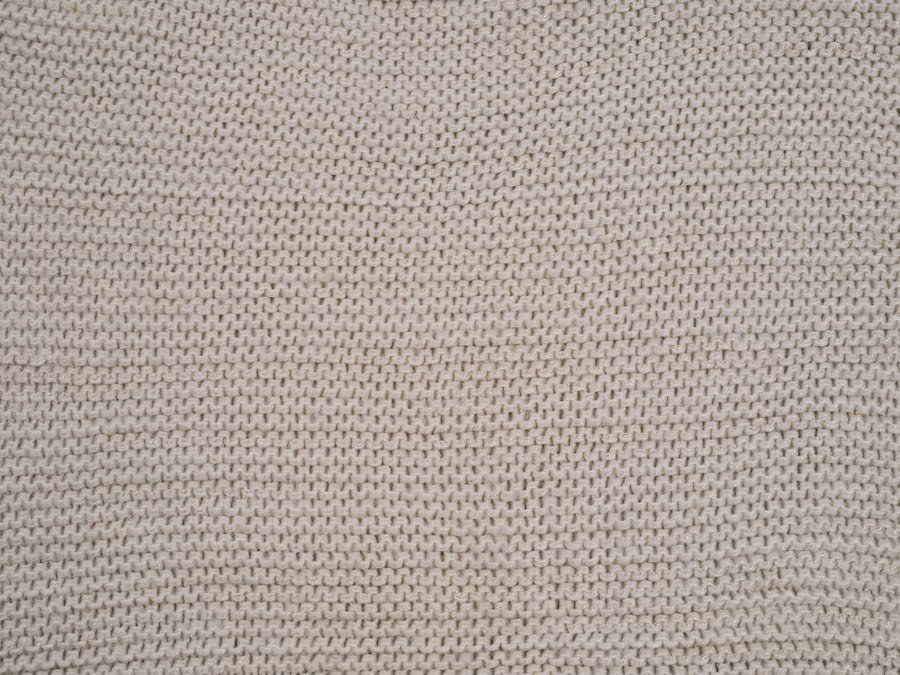
Photo by engin akyurt on Unsplash
The Wool-Silk Blend: When Performance Meets Luxury
Wool-silk blends occupy a different category entirely. They're not the first recommendation for a busy household with muddy dogs, but for formal living rooms, window seats, or statement accent chairs that get lighter use, they perform impressively in summer conditions.
Wool is naturally hygroscopic, meaning it can absorb up to 30% of its weight in moisture vapor without feeling wet to the touch. It manages that moisture through the fiber structure and then releases it gradually as humidity changes. Silk adds a natural temperature-regulating quality and gives the fabric surface a subtle sheen and a noticeably smoother hand feel. Together, the blend creates an upholstery fabric that actually helps regulate the microclimate at the seat surface during warm weather.
Wool-silk upholstery typically performs well on the Martindale abrasion test, a European standard for measuring fabric durability similar in purpose to the double rub count, often achieving 20,000 to 40,000 Martindale cycles in quality blends. The limitation is care: wool-silk fabrics generally require professional cleaning and are more vulnerable to staining from common household spills than synthetic blends.
- Breathability: Very high. Wool's natural fiber structure allows exceptional air and moisture movement.
- Moisture handling: Excellent. Wool actively manages ambient humidity without feeling damp.
- Color retention: Moderate. Silk component can be sensitive to prolonged UV exposure.
- Cleaning: Requires care. Spot clean gently; professional cleaning recommended for deeper issues.
- Best for: Formal living rooms, bedroom reading chairs, or lower-traffic accent furniture.
Which Blend Actually Wins in Heat and Humidity?
For most homeowners dealing with a real summer, meaning actual kids, actual pets, actual spilled lemonade, and actual south-facing windows, the polyester-cotton blend is the most reliable performer. It combines meaningful breathability improvement over pure polyester with the color retention and durability advantages that pure cotton simply can't match.
The cotton-linen blend is the better choice if comfort and natural aesthetics are the priority and the furniture gets moderate rather than heavy use. It genuinely feels better in heat than polyester-dominant fabrics and looks beautiful in spaces styled around current organic, earthy summer decor trends.
Wool-silk blends are the right answer in specific contexts: lower-traffic formal spaces, climates where humidity is the primary concern rather than direct sun, and situations where you're willing to invest in professional care to protect a beautiful fabric.
Here's a practical framing: think about who is using the furniture, how often, and what your cleaning tolerance is. A blend that performs brilliantly in lab conditions but requires dry cleaning every time your kid misjudges a glass of juice isn't actually performing for your household.
Quick Buying Tips Before You Order Upholstery Fabric This Summer
- Check the double rub count listed in the product specifications. For heavy family use, look for 30,000 or higher. Light use or accent pieces can work well at 15,000 to 25,000.
- Ask or look for whether polyester in a blend is solution-dyed. It makes a real difference in color longevity in sunny rooms.
- Order fabric samples before committing. Colors read differently on screens than they do in your actual lighting conditions, and texture is impossible to judge from a photo.
- Check the care code on the fabric. W means water-based cleaning is safe; S means solvent only; WS means both; X means professional cleaning only.
- For rooms with direct summer sun, pair any fabric with UV-filtering curtains or shades. Even the best solution-dyed polyester benefits from reduced direct UV exposure over time.
You can browse cotton, linen, woven, and multi-fiber upholstery options at famcorfabrics.com to compare blends, textures, and colors that fit your specific project and summer conditions.
Frequently Asked Questions
Q: What is the best upholstery fabric blend for hot and humid summer conditions?
Polyester-cotton blends are generally the best all-around performers in hot, humid conditions because they combine the breathability of cotton with polyester's color stability, moisture resistance, and durability. For light-use furniture, a cotton-linen blend is an excellent natural alternative with good airflow and a comfortable surface feel in warm weather.
Q: Does upholstery fabric color fade faster in summer?
Yes, UV exposure from direct sunlight is the primary cause of upholstery color fading, and it accelerates in summer when sunlight intensity and daylight hours increase. Solution-dyed polyester fabrics offer significantly better UV resistance than surface-dyed natural fibers, retaining color through up to 500 hours of UV exposure in standard testing. Using UV-filtering window coverings extends the life of any upholstery fabric regardless of fiber content.
Q: Are natural fiber upholstery fabrics more breathable than synthetic blends in summer?
Pure natural fibers like linen and cotton do breathe well, but they absorb moisture and can feel damp and heavy in high humidity. Blends that combine natural fibers with synthetics often perform better in real summer conditions because the synthetic component adds moisture resistance and structural stability while the natural fiber retains breathability and a comfortable surface feel.