
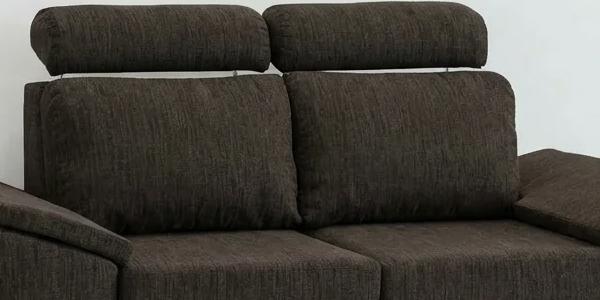
If you've ever flipped over a fabric swatch or peeked under a cushion and found a random letter like W, S, WS, or X stamped on the tag, you're not alone in wondering what it means. These upholstery fabric cleaning codes are one of the industry's best-kept secrets, and honestly, more homeowners should know about them before they buy. Understanding the code on your fabric tag can be the difference between blotting out a coffee spill in five minutes and staring at a permanent water ring for the next decade.
Unlike durability ratings such as the Wyzenbeek or Martindale abrasion test, which tell you how tough a fabric is against wear, cleaning codes tell you how to actually take care of it once it's on your furniture. They're separate systems measuring completely different things, and mixing them up is where a lot of cleaning disasters start.
What Do the W, S, WS, and X Cleaning Codes Mean?
The W, S, WS, and X codes tell you exactly which type of cleaner is safe to use on an upholstery fabric: water-based, solvent-based, both, or neither. This system was developed so consumers and cleaning professionals have a quick, standardized way to avoid damaging fabric with the wrong product.
Here's the quick breakdown before we get into each one in detail:
- W means water-based cleaners only.
- S means solvent-based cleaners only, no water.
- WS means either water-based or solvent-based cleaners are safe.
- X means vacuum only, no liquid cleaners of any kind.
Photo by Anton K Wibowo on Unsplash
The W Code: Water-Based Cleaners Only
A W-coded fabric can be cleaned with water-based upholstery shampoo, mild dish soap diluted in water, or a steam cleaner on a low setting. This is the most common code you'll see on fabrics like chenille upholstery fabrics, cotton blends, and many synthetic weaves designed for everyday family use.
Fabrics labeled W generally hold up well to spot cleaning with a damp cloth, which makes them a smart pick if you've got kids spilling juice or a dog who thinks the couch is his personal napping throne. Just avoid soaking the fabric completely. Even water-safe fibers can water-spot if you overdo it, so blot, don't scrub, and always work from the outside of a stain inward.
The S Code: Solvent-Based Cleaners Only
An S-coded fabric should only be cleaned with a water-free solvent cleaner, because water can cause shrinking, puckering, or permanent ring stains. Many velvet upholstery fabrics and some silks and delicate blends carry this code, since water can crush pile fibers or leave a visible tide mark that never fully disappears.
Solvent cleaning usually means a dry-cleaning solvent applied with a clean white cloth, not a spray bottle of water and soap. If your sofa is S-coded, this is a job for a professional upholstery cleaner more often than not. Trying to DIY it with the wrong product is one of the fastest ways to turn a small spot into a big regret.
The WS Code: Best of Both Worlds
A WS-coded fabric can safely handle either water-based or solvent-based cleaning products, giving you the most flexibility of any cleaning code. This is genuinely the code most budget-aware homeowners should be hunting for, because it means you're not locked into one cleaning method or a single specialty product.
Many performance fabrics, some jacquards, and heavier woven textiles fall into this category. If you're shopping and see two nearly identical fabrics but one is WS and the other is S-only, the WS option is almost always the more practical choice for daily household life.
The X Code: Vacuum Only, No Liquid Cleaners
An X-coded fabric cannot be cleaned with water or solvent cleaners at all. Vacuuming or light brushing is the only recommended maintenance, which makes these fabrics a poor match for high-traffic family rooms or homes with pets.
You'll sometimes find X codes on certain delicate decorative fabrics, some silks, and specialty textiles meant for low-contact pieces like accent pillows or a formal dining chair nobody actually sits in. If a fabric is X-coded, professional dry cleaning by an upholstery specialist is really your only fallback for anything beyond dust.
How Do You Test a Swatch Before Cleaning?
Always test any cleaning product on a hidden section of fabric, like the back of a cushion or underneath the frame, before treating a visible stain. This single step prevents most at-home cleaning mishaps.
- Apply a small amount of the cleaner to a cotton swab or cloth.
- Dab it onto a hidden patch of fabric and let it sit for a few minutes.
- Blot with a clean white cloth and check for color transfer, texture change, or water spotting.
- Wait for the area to fully dry before deciding whether it's safe to proceed on the visible stain.
- If you notice any discoloration, stiffness, or ring marks, stop immediately and call a professional.
This test takes maybe ten minutes, and it's the cheapest insurance policy you'll ever buy for your furniture.
Shop All Upholstery Fabrics
Why Does the Cleaning Code Matter Before You Buy?
Choosing a fabric based on its cleaning code before you buy saves you from ending up with a beautiful sofa you're terrified to actually use. A lot of shoppers focus entirely on color and texture, then get blindsided later when a wine spill meets an S-only fabric and water is nowhere near an option.
Here's a fact worth remembering: cleaning codes and durability ratings are entirely separate systems. A fabric can have a high double rub count, meaning it resists physical wear extremely well on the Wyzenbeek or Martindale abrasion tests, and still be an S or X code that's a nightmare to clean. Durability tells you how long the fabric lasts under friction. The cleaning code tells you how forgiving it'll be when life happens. You need to check both before you commit.
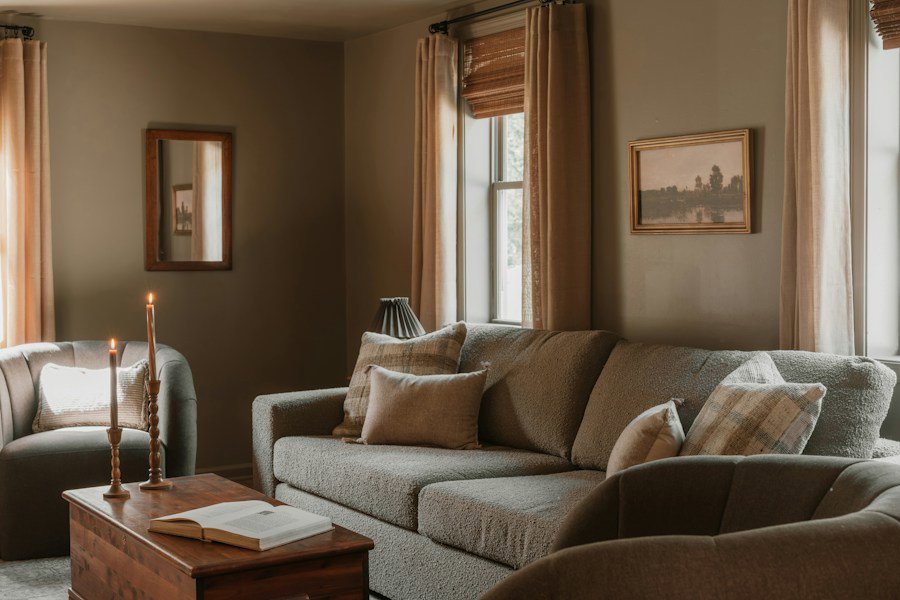
Photo by Clay Banks on Unsplash
Best Cleaning Codes for Families with Pets and Kids
For households with kids, pets, or a general "life happens" attitude toward furniture, W and WS coded fabrics are the safest bet. They give you the flexibility to blot spills immediately with water-based cleaners without waiting around for a specialist.
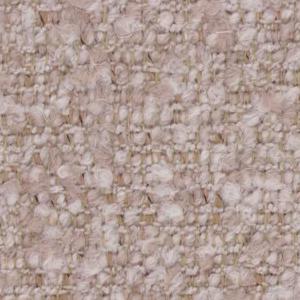
Textured fabrics like boucle upholstery fabric and performance chenille tend to pair a durable weave with a forgiving W or WS cleaning code, which is exactly why they've become so popular for family rooms over the last few years. Solution-dyed acrylics and many synthetic blends also lean toward W or WS, since the color is baked into the fiber itself rather than sitting on the surface where it can bleed or fade during cleaning.
Fall Decorating and the Cleaning Code Connection
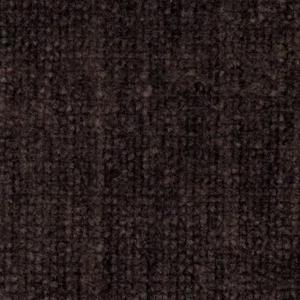
Fall is prime time for reupholstering and swapping out throw pillows, since everyone's spending more time indoors and noticing wear from the summer. If you're refreshing your space this season with deeper tones like brown upholstery fabrics or richer neutrals from the grey chenille upholstery fabric collection, take two minutes to check the cleaning code before checkout. It's a small step that pays off big the first time apple cider gets knocked over on movie night.
Also, if you're working with a tighter budget this season, browsing fabrics currently marked down on the upholstery fabric sale page is a smart move, just don't skip the tag check even on a discounted bolt.
Frequently Asked Questions
Q: What does the S cleaning code mean on upholstery fabric?
The S cleaning code means the fabric should only be cleaned with a water-free, solvent-based cleaner. Water can cause shrinking, spotting, or permanent ring marks on S-coded fabrics, so professional dry-cleaning methods are usually recommended.
Q: Can I use a steam cleaner on WS-coded upholstery?
Yes, WS-coded upholstery fabric can typically handle a steam cleaner or water-based cleaning product, as well as solvent-based cleaners. Always test a hidden patch first and avoid oversaturating the fabric.
Q: Is the cleaning code the same as the durability rating?
No, the cleaning code and durability rating are two separate systems. The cleaning code (W, S, WS, or X) tells you which cleaning products are safe to use, while durability ratings like the Wyzenbeek or Martindale double rub count measure how well a fabric resists physical wear over time.