
If you've ever shopped for upholstery fabric and found yourself staring at a tag covered in numbers, acronyms, and pass/fail codes, you're not alone. Upholstery fabric performance ratings exist to protect your investment, but nobody ever explains what they actually mean in the context of your living room sofa or the dining chair your toddler treats like a napkin. This guide breaks it all down without the trade-school flashcards. By the end, you'll know exactly what to look for when you're selecting fabrics for different rooms, different furniture pieces, and different real-life situations.
What Are Upholstery Fabric Performance Ratings and Why Do They Matter?
Performance ratings are standardized test results that tell you how a fabric will behave under real-world conditions. They measure things like how much friction a fabric can take before it starts to wear, how it responds to fire, and whether it can shrug off a spilled glass of juice. Buying fabric without checking these numbers is a little like buying a car without looking at the mileage. The aesthetic might be perfect, but you want to know it'll last.
Fabric manufacturers run these tests in controlled lab settings, and the results get printed on spec sheets or fabric labels. For homeowners, the most relevant ratings are abrasion resistance, fire compliance, and stain or cleanability codes. Each one answers a specific question you should be asking before you click "add to cart."
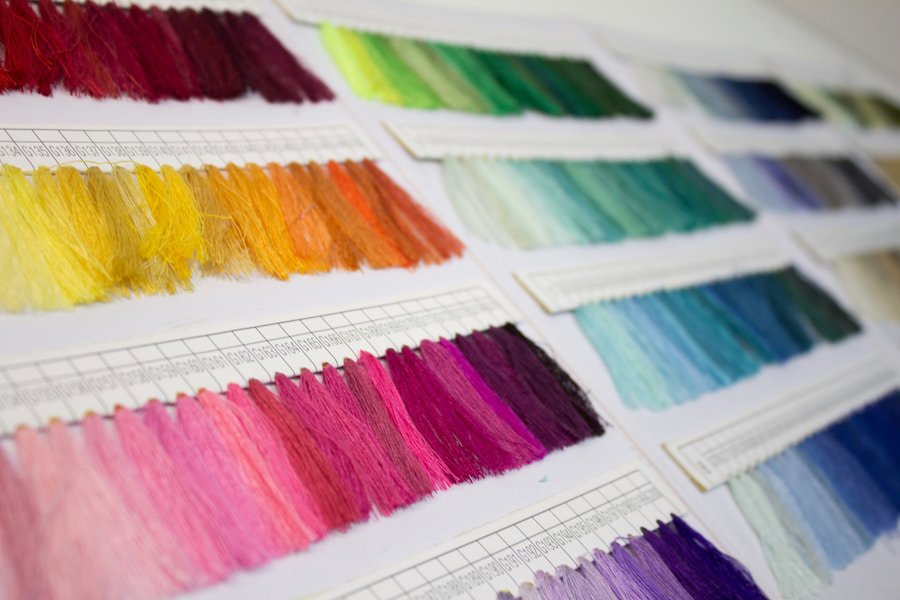
Photo by Ekaterina Grosheva on Unsplash
What Is the Wyzenbeek Test and What Do the Numbers Mean?
The Wyzenbeek abrasion test measures how many "double rubs" a fabric can withstand before it shows visible wear. A double rub is one back-and-forth motion of an abrasive material across the fabric surface, meant to simulate the friction of someone sitting down and shifting in their seat. The higher the number, the more durable the fabric.
Here's a simple breakdown of how Wyzenbeek double rub counts translate into everyday use:
- Under 9,000 double rubs: Decorative use only. Think throw pillows, wall hangings, or accent pieces that rarely get touched.
- 9,000 to 15,000 double rubs: Light residential use. A bedroom chair that gets used occasionally is fine. A family room sofa, not so much.
- 15,000 to 30,000 double rubs: General residential use. This is the sweet spot for most living room and dining room furniture in a typical household.
- 30,000+ double rubs: Heavy-duty residential or light commercial. If you have kids, pets, or a lot of people sitting on your furniture every day, aim here.
- 100,000+ double rubs: Heavy commercial use. You'd find this spec in hospitals, hotels, or restaurants. Honestly, this is overkill for most home projects, but it's not unheard of in pet-heavy households.
The Wyzenbeek test is the dominant standard in the United States. When an American fabric brand lists "double rubs" on their spec sheet, this is the test behind that number.
What Is the Martindale Abrasion Test and How Does It Compare to Wyzenbeek?
The Martindale abrasion test is the European equivalent of Wyzenbeek, and it measures the same basic thing: how well a fabric resists wear over time. Instead of a back-and-forth motion, the Martindale test uses a circular rubbing pattern. The result is expressed in "Martindale cycles" rather than double rubs.
Because the two tests use different mechanics, the numbers aren't directly interchangeable. A fabric rated at 30,000 Martindale cycles is not the same as one rated at 30,000 Wyzenbeek double rubs. As a general rule, Martindale cycles tend to produce lower numbers than Wyzenbeek for a comparable level of durability. A fabric with 20,000 Martindale cycles is considered suitable for general residential use. At 40,000 cycles, you're looking at heavy residential or light contract use.
If you're shopping imported European fabrics, especially linens, woven jacquards, or designer prints, you'll likely see Martindale ratings. Domestic or American-made fabrics usually use Wyzenbeek. Both are legitimate, just different tools for the same job.
Fire Ratings: What You Actually Need to Know as a Homeowner
Fire resistance standards for upholstery fabrics are primarily relevant for commercial spaces, but some homeowners ask about them, especially when buying for rental properties, home offices, or spaces that double as short-term rentals. The most commonly referenced standards in the U.S. are CAL 117 and CAL 133.
- CAL 117-2013: California Technical Bulletin 117 is a smolder-resistance test. It doesn't mean the fabric is fireproof. It means the fabric passed a test for resistance to cigarette-style ignition. Many fabrics sold in the U.S. meet this standard, and it's often noted as a selling point even though it's technically a California regulation.
- CAL 133: This is a more stringent test applied to the entire furniture piece, not just the fabric. It's relevant for contract or commercial furniture, not typical residential use.
- NFPA 260 and 261: These are national fire standards referenced more often in commercial or institutional settings.
For most homeowners furnishing a private residence, CAL 117 compliance is a nice bonus but not a dealbreaker. Focus more on abrasion ratings and cleanability. If you're furnishing a rental or a space with fire code requirements, check with your local regulations before purchasing.
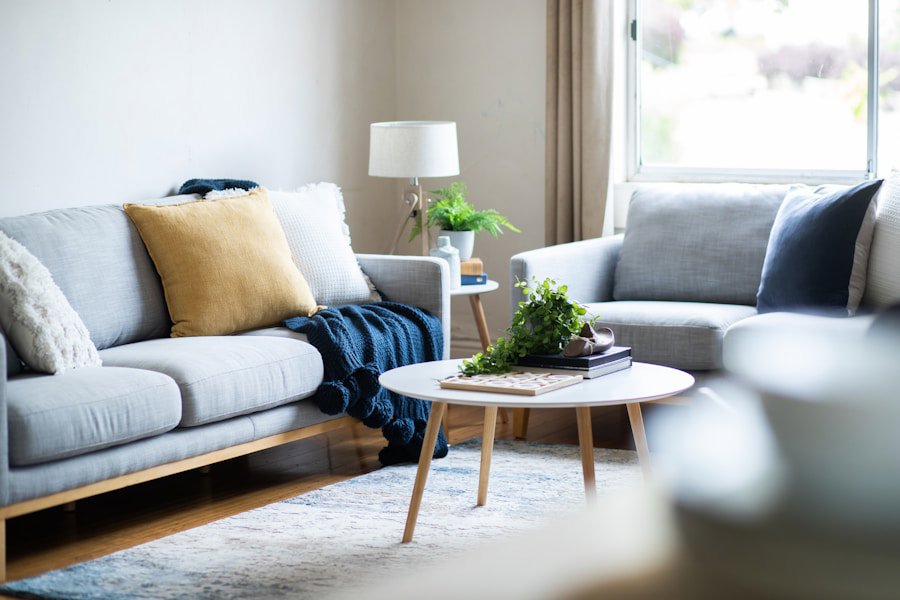
Photo by S.Group Official on Unsplash
Stain Resistance Codes: Decoding the Cleaning Instructions on Your Fabric
Stain resistance codes tell you how a fabric can be cleaned. These are standardized letters found on fabric labels, and getting this wrong is how people accidentally ruin their upholstery with the wrong cleaning product. Here's what each code means:
- W: Water-based cleaning products only. This is common on natural fiber fabrics like cotton and linen.
- S: Solvent-based (dry cleaning) products only. No water. Using water on an "S" fabric can cause shrinkage, staining, or distortion.
- W/S or S/W: Either water-based or solvent-based cleaners are safe to use. This is the most forgiving option for busy households.
- X: Vacuum or brush only. No liquid cleaners of any kind. These fabrics are genuinely not meant for high-traffic or spill-prone areas.
Beyond these codes, some fabrics carry specific performance finishes that add stain resistance. Solution-dyed acrylic, for example, is a fiber where the color is baked into the yarn during manufacturing rather than applied on top, making it highly resistant to staining, fading, and moisture. Fabrics treated with Teflon or similar fluoropolymer coatings repel liquid at the surface level but may lose effectiveness after repeated washing.
Spring is actually a great time to think about this. If you're freshening up your home for the season and thinking about recovering dining chairs or a mudroom bench, a W/S fabric or a solution-dyed option is going to serve you much better than something with a beautiful texture and an "X" code.
Matching Performance Ratings to the Right Room and Furniture Use
Not every piece of furniture in your home needs to be bulletproof. Here's a practical cheat sheet for matching performance ratings to where and how furniture actually gets used:
- Primary sofa in a family room (kids and/or pets): Aim for 30,000+ double rubs (Wyzenbeek) or 40,000+ Martindale cycles. Choose W or W/S cleaning codes. Velvet gets a bad rap here, but performance velvets made from polyester or polypropylene can absolutely hit these numbers.
- Living room accent chair (occasional use): 15,000 to 25,000 double rubs is plenty. You have more flexibility on fiber and finish here, so this is where you can consider that beautiful linen-look or a jacquard with more texture.
- Dining chairs: Prioritize stain resistance over everything. A W or W/S code with a smooth, tight weave is your friend. Vinyl and faux leather are genuinely excellent here. Easy to wipe, impossible to ruin with a spaghetti night.
- Home office chair: If you're sitting in it for hours, go 30,000+ double rubs. Breathability matters too, so consider chenille or a woven fabric over solid vinyl for extended comfort.
- Bedroom bench or headboard: This gets minimal friction. A 9,000 to 15,000 double rub rating is fine. Go for texture and feel. This is where boucle absolutely shines.
- Decorative pillows and ottomans: Almost anything goes rating-wise. Have fun with color, pattern, and texture. Just check the cleaning code so you know what you're signing up for.
One More Thing: Pilling, Colorfastness, and Seam Slippage Tests
A few secondary performance measures are worth a quick mention because they show up on spec sheets and affect long-term satisfaction.
Pilling resistance refers to how well a fabric resists those small fiber balls that form on the surface with friction. Tightly woven fabrics and synthetic blends generally pill less than loosely woven natural fibers. If you've ever had a chenille sofa develop a fuzzy, uneven texture after a year of use, low pilling resistance is usually why. Honestly, chenille is criminally underrated as a fabric choice when the pile is properly constructed, but pilling specs matter if you're going with a budget option.
Colorfastness measures how well a fabric holds its color when exposed to light or cleaning. A fabric that fades quickly is a common source of buyer regret, especially in sun-facing rooms. Look for fabrics with light fastness ratings of 4 or 5 on a 1-to-5 scale, or choose solution-dyed fibers which are inherently more colorfast.
Seam slippage is how much the fabric yarns shift at seam lines under stress. This matters for tightly tailored pieces and corners on cushion covers. High seam slippage means seams can gap or pull apart over time, which is a structural issue, not just cosmetic.
Frequently Asked Questions
Q: What is a good double rub count for a family room sofa?For a family room sofa that gets daily use, especially with kids or pets, look for a minimum of 30,000 Wyzenbeek double rubs. This level of abrasion resistance indicates the fabric can handle heavy residential use without wearing thin or pilling prematurely. Fabrics rated above 50,000 double rubs offer extra durability for high-traffic households.
Q: What is the difference between the Wyzenbeek and Martindale abrasion tests?The Wyzenbeek test is the standard abrasion method used in the United States, measuring back-and-forth friction in "double rubs." The Martindale test is the European equivalent, using a circular rubbing pattern and reporting results in "cycles." The two numbers are not directly comparable. As a general guide, 20,000 Martindale cycles is considered suitable for general residential use, while 40,000 cycles indicates heavy residential or light commercial durability.
Q: What do upholstery fabric cleaning codes mean?Upholstery cleaning codes tell you what type of cleaner is safe to use on a fabric. The code "W" means water-based cleaners only. "S" means solvent-based or dry cleaning products only, and water should be avoided. "W/S" means either type is safe. "X" means the fabric should only be vacuumed or brushed, with no liquid cleaners of any kind. Choosing the wrong cleaning method based on these codes can permanently damage the fabric.