
Why Upholstery Fabric Thread Count and Weight Actually Matter This Spring
Spring is the season when everyone suddenly notices what their furniture looks like in natural light. The throw blanket you used to hide that worn armchair cushion gets put away, the windows open, and there it is. If you've been thinking about reupholstering or replacing a piece, upholstery fabric thread count and weight are two of the most practical measurements you can understand before you spend a single dollar. They affect how your fabric feels, how long it lasts, and whether it can handle the wear your home actually puts on it.
The good news is that neither of these measurements is complicated once someone explains them plainly. Thread count tells you how many threads are woven into a square inch of fabric. Weight tells you how heavy the fabric is per yard. Together, they give you a solid first read on whether a fabric is built for a quiet guest bedroom or a couch that two kids and a dog treat like a trampoline.
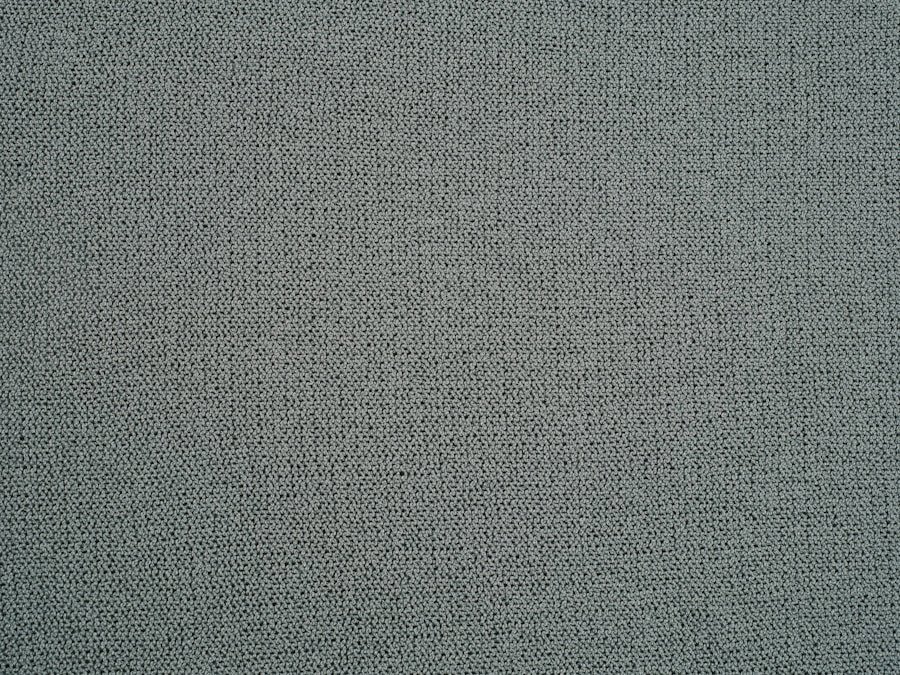
Photo by engin akyurt on Unsplash
What Is Thread Count in Upholstery Fabric?
Thread count in upholstery fabric is the total number of warp threads (running lengthwise) and weft threads (running crosswise) woven into one square inch of fabric. A higher thread count generally means a tighter, denser weave, which tends to be stronger and more resistant to snags and pilling.
That said, thread count alone doesn't tell the whole story for upholstery. Unlike bedsheets, where thread count is basically the main event, upholstery fabrics carry a lot more stress. A fabric needs to handle repeated sitting, rubbing, stretching, and cleaning without losing its structure. So thread count works best when you read it alongside other durability measurements, especially double rub count.
Double rub count is the industry standard for measuring how well an upholstery fabric holds up to friction. One "double rub" simulates someone sitting down and standing up once. A fabric rated at 15,000 double rubs is considered suitable for light residential use. For a busy family room, you want at least 30,000 double rubs. Heavy-duty residential fabrics often exceed 100,000 double rubs. A tighter weave, reflected in a higher thread count, usually contributes to a stronger double rub rating, but fiber type and construction matter just as much.
- Under 15,000 double rubs: Decorative use only, think accent pillows or a rarely-used side chair
- 15,000 to 30,000 double rubs: Light residential, suitable for low-traffic rooms
- 30,000 to 100,000 double rubs: Standard to heavy residential, great for living rooms and family spaces
- 100,000+ double rubs: Heavy-duty, ideal for homes with kids, pets, or high daily use
How Fabric Weight Affects Comfort and Durability
Fabric weight is measured in ounces per yard or grams per square meter, and it's one of the clearest signals of how a fabric will perform over time. Heavier fabrics tend to be more durable, more structured, and less prone to sagging or shifting on a cushion. Lighter fabrics can feel softer and more breathable, which is actually a real advantage in spring and summer.
For upholstery, fabrics generally fall into three weight categories. Lightweight fabrics run under 10 ounces per yard and work well for cushion covers, drapery, and decorative pieces that don't take daily wear. Medium-weight fabrics, typically 10 to 15 ounces per yard, are the sweet spot for most residential upholstery projects. Heavy fabrics above 15 ounces per yard are built for high-use furniture, outdoor pieces, and anything in a home with pets.
Here's the thing: weight and breathability work in opposite directions. Heavier, denser fabrics like thick chenille or velvet trap more heat, which can feel uncomfortable on warm spring afternoons. Lighter woven fabrics and linens allow more airflow. If you're refreshing a sunroom piece or a chair near a window this spring, fabric weight deserves just as much attention as color or pattern.
Which Fabrics Have the Best Thread Count and Weight for Spring Projects?
The best upholstery fabric for spring projects balances a medium-to-high thread count with a weight that suits the room's temperature, light exposure, and traffic level. Linen, cotton blends, and performance weaves are consistently strong choices for seasonal refreshes.
Linen is genuinely one of the most underrated options for spring upholstery. It has a naturally tight weave, breathes exceptionally well, and gets softer with use rather than breaking down. The trade-off is that pure linen wrinkles and can be harder to clean, so a linen blend with cotton or synthetic fibers gives you the best of both worlds. Look for linen blends in the 12 to 14 ounce range for seat cushions and sofas.
Cotton is another spring-friendly choice. It's soft, breathable, and holds dye well, so you can find it in basically every color and pattern imaginable. A tightly woven cotton fabric with a high thread count resists pilling and holds its shape. The catch is that untreated cotton absorbs stains easily, so if you have kids or pets, look for cotton fabrics that have been treated with a stain-resistant finish or choose a cotton-synthetic blend rated at 30,000 double rubs or higher.
Performance fabrics, including solution-dyed acrylics and high-thread-count polyester weaves, are worth serious consideration for any spring refresh. Solution-dyed acrylic is a fiber where color is locked in during the manufacturing process rather than applied after, which means it resists fading, moisture, and staining at a level that natural fibers simply can't match. Many solution-dyed acrylics carry double rub counts well above 50,000 and are rated for outdoor use, making them an excellent choice for sunrooms, screened porches, or any spring furniture that gets a lot of light exposure.
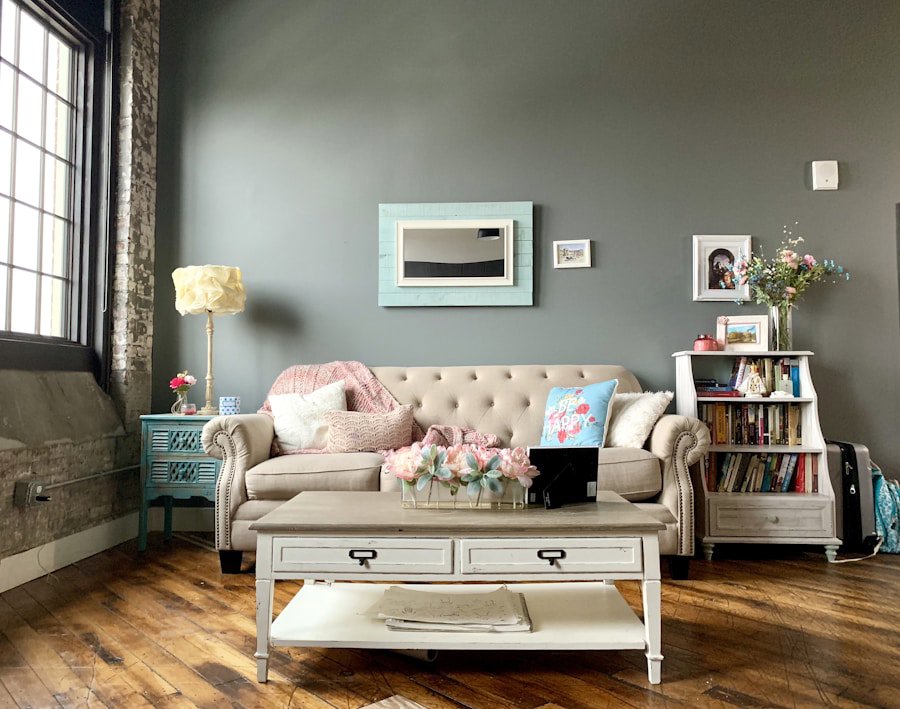
Photo by Sophia Kunkel on Unsplash
Velvet gets a bad rap as a high-maintenance choice, but honestly, performance velvet has come a long way. Modern velvet upholstery fabrics are often made from tightly woven polyester or nylon microfibers with thread counts that put them well above 30,000 double rubs. They're actually quite pet-friendly because hair tends to brush off rather than embed itself. The weight does run heavier, typically 14 to 18 ounces per yard, so if you're updating a piece in a warm south-facing room, velvet might not be your most comfortable spring choice.
Chenille is criminally underrated for homeowners who want durability and comfort together. It has a naturally soft, looped pile that makes it feel luxurious, but a well-constructed chenille fabric can easily reach 30,000 to 50,000 double rubs. The weight typically falls in the medium-to-heavy range, and the texture hides minor stains and wear better than flat-woven fabrics. For a family room sofa refresh, chenille is one of the most practical choices you can make.
What to Look For on a Fabric Spec Sheet Before You Buy
When you're shopping for upholstery fabric online, the spec sheet or product description tells you almost everything you need. The key numbers to find are double rub count, fabric weight, and fiber content. Those three data points will tell you more than a photo ever could.
- Double rub count: Look for 30,000 minimum for any frequently used furniture
- Fabric weight: Medium weight (10 to 15 oz/yd) works for most residential upholstery; heavier for high-use or pet-heavy homes
- Fiber content: Natural fibers breathe better; synthetic or blended fibers typically clean more easily and last longer
- Martindale abrasion test rating: This is the European equivalent of double rub count, used on many imported fabrics. A Martindale rating of 20,000 is comparable to roughly 30,000 double rubs for residential use
- Cleaning code: W means water-based cleaners, S means solvent-based cleaners, WS means both, and X means vacuum only. For families, aim for W or WS
Also, pay attention to fabric width. Most upholstery fabric is sold in 54 to 60 inch widths. If a fabric you love is only 45 inches wide, you'll need more yardage than you'd expect, which affects your budget. A good rule of thumb is to add 15 to 20 percent to your estimated yardage for pattern matching and cutting waste.
How to Match Thread Count and Weight to Your Spring Project
A spring furniture refresh usually falls into one of three categories: updating a high-use piece like a family room sofa, refreshing a decorative piece like an accent chair, or tackling outdoor or transitional furniture for a porch or sunroom. Each calls for a different thread count and weight profile.
For a high-use sofa or sectional, prioritize double rub count above 40,000, fabric weight in the 12 to 15 ounce range, and a fiber blend that includes synthetic content for easy cleaning. Chenille, performance weaves, and tight-woven polyester blends are your strongest options.
For a decorative accent chair in a bedroom or sitting room, you have more flexibility. A lighter fabric, even one under 10 ounces, can work beautifully if the piece isn't under heavy daily stress. This is where you can lean into spring trends: soft linens in sage green, floral cotton prints, or a lightweight jacquard in cream or blush.
For outdoor or transitional spring furniture, solution-dyed acrylic or marine-grade vinyl are the clear choices. Both are engineered to resist UV fading, moisture, and mildew, problems that standard indoor fabrics are completely unprepared for. Look for outdoor-rated fabrics with a double rub count of at least 50,000 and a weight of 12 ounces or more to handle wind, sun, and the occasional rain.
Frequently Asked Questions
Q: What thread count is best for upholstery fabric?For upholstery, a higher thread count generally means a tighter, more durable weave, but thread count should always be read alongside double rub count. For residential furniture that gets daily use, look for fabrics with a double rub count of at least 30,000, which typically corresponds to a well-constructed, tightly woven fabric regardless of the specific thread count listed.
Q: Does a heavier fabric always mean better upholstery durability?Not always. Heavier fabric, typically above 15 ounces per yard, does tend to hold its shape longer and resist wear better, but fiber quality and weave construction matter just as much. A medium-weight performance fabric made from solution-dyed acrylic or tightly woven polyester can outperform a heavier but loosely woven natural fabric in both durability and stain resistance.
Q: What upholstery fabric is best for spring furniture projects?For spring, linen blends and medium-weight performance weaves are excellent choices because they balance breathability with durability. Linen breathes well in warmer weather and gets softer over time, while performance fabrics rated at 30,000 or more double rubs handle daily wear easily. For sunny rooms or outdoor spaces, solution-dyed acrylic fabric is the most practical option because it resists UV fading and moisture at a level other fibers can't match.