
Why Upholstery Fabric Weight and Thread Count Actually Matter
Most people shopping for upholstery fabric spend a lot of time thinking about color and texture, and honestly, that makes sense. You want something that looks good in your living room. But upholstery fabric weight and thread count are the two specs that quietly determine how long your furniture is going to hold up, how it feels to sit on, and whether it survives your kids, your dog, or both. Getting these details right before you buy is what separates a fabric you love for a decade from one you're replacing in two years.
Fabric weight is measured in ounces per yard (oz/yd) or grams per square meter (GSM). Thread count refers to the number of threads woven per square inch. Together, these numbers tell you a lot about how a fabric was made and what kind of life it can handle.
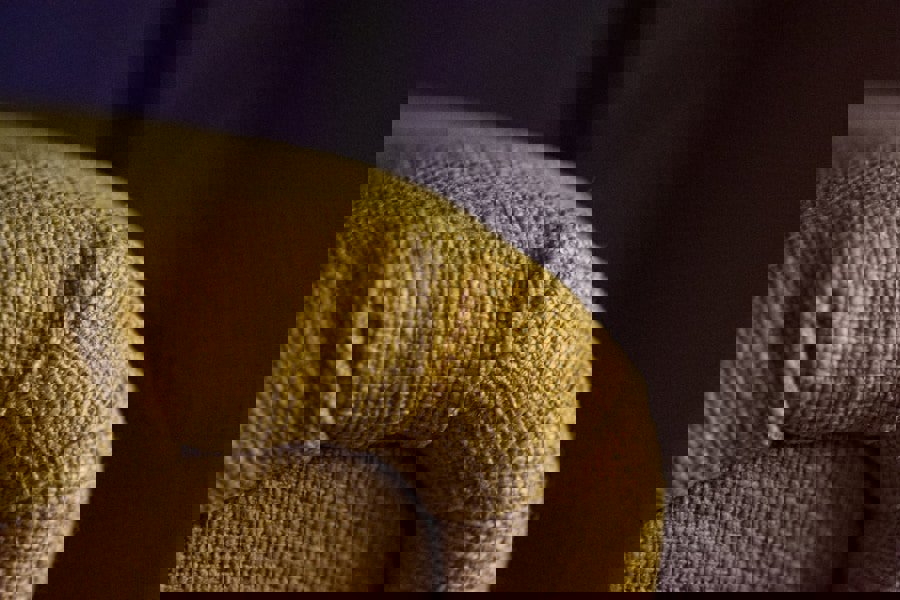
Photo by Marc Rentschler on Unsplash
What Does Fabric Weight Mean for Upholstery?
Fabric weight is one of the most reliable indicators of durability in upholstery. Heavier fabrics generally contain more fiber per square yard, which makes them denser, harder-wearing, and better at holding their shape under regular use. A lightweight fabric might feel luxurious, but put it on a sofa that gets used every day and it may show wear much faster than you'd expect.
Here's a general breakdown of how weight categories typically play out in upholstery:
- Lightweight (under 8 oz/yd): Better suited for decorative pillows, drapery, or occasional-use furniture. Not ideal for high-traffic seating. Think of it as the fabric equivalent of dress shoes, great for the right occasion, not built for the daily commute.
- Medium weight (8 to 12 oz/yd): The sweet spot for most residential upholstery. Works well on sofas, dining chairs, and accent pieces that see regular use without constant heavy stress.
- Heavyweight (12 oz/yd and above): Built for serious daily use. This is what you want for family room furniture, pet-friendly households, or anything that doubles as a nap spot on a Sunday afternoon.
Heavier fabrics also tend to drape and hold tighter to furniture frames, which means cleaner lines on finished pieces. If you're reupholstering a sofa with a lot of curved edges or tufting, a medium-to-heavyweight fabric gives you much better results than something flimsy.
How Does Thread Count Affect Upholstery Fabric Quality?
Thread count in upholstery works a little differently than it does for bed sheets, where higher always sounds better. In upholstery, a higher thread count means a tighter, denser weave, which generally improves durability and resistance to snags. But the relationship isn't purely linear. The type of fiber and how it's twisted matters just as much as the raw count.
A fabric with a high thread count made from low-quality short-staple fibers can still pill or wear thin over time. On the other hand, a medium thread count woven from long-staple cotton or high-grade synthetic fibers can outlast it easily. So thread count is a useful data point, but it works best when you read it alongside fiber type and construction.
For upholstery, a thread count between 200 and 400 per square inch is generally considered solid for everyday residential use. Fabrics in this range tend to resist abrasion, hold dye well, and stay looking fresh longer. Anything significantly below 150 is worth being cautious about for high-use applications.
What Is a Double Rub Count and Why Should You Care?
Double rub count is the most practical durability measurement for upholstery fabrics, and it's the one you should pay the most attention to. One "double rub" simulates a person sitting down and standing up from a piece of furniture, one back-and-forth motion across the fabric surface. The Wyzenbeek abrasion test, one of the most widely used standards in the industry, measures how many of these double rubs a fabric can withstand before showing significant wear.
Here's a quick reference for what those numbers mean in real life:
- Under 9,000 double rubs: Light-duty use only. Decorative pieces, formal rooms, occasional chairs.
- 9,000 to 15,000 double rubs: Suitable for light residential use, like a guest bedroom chair or a reading nook that doesn't see heavy traffic.
- 15,000 to 30,000 double rubs: Good for everyday residential furniture. This range covers most living room sofas and dining chairs in a typical home.
- 30,000 double rubs and above: Heavy-duty residential or light commercial use. Great for family rooms, kids' spaces, and pet-friendly furniture.
The Martindale abrasion test is another common standard, used more widely in Europe. It measures cycles rather than rubs and tests in a figure-eight pattern rather than back-and-forth. A Martindale rating of 20,000 cycles roughly corresponds to heavy-duty residential use. Both tests give you the same type of information, just in slightly different formats.
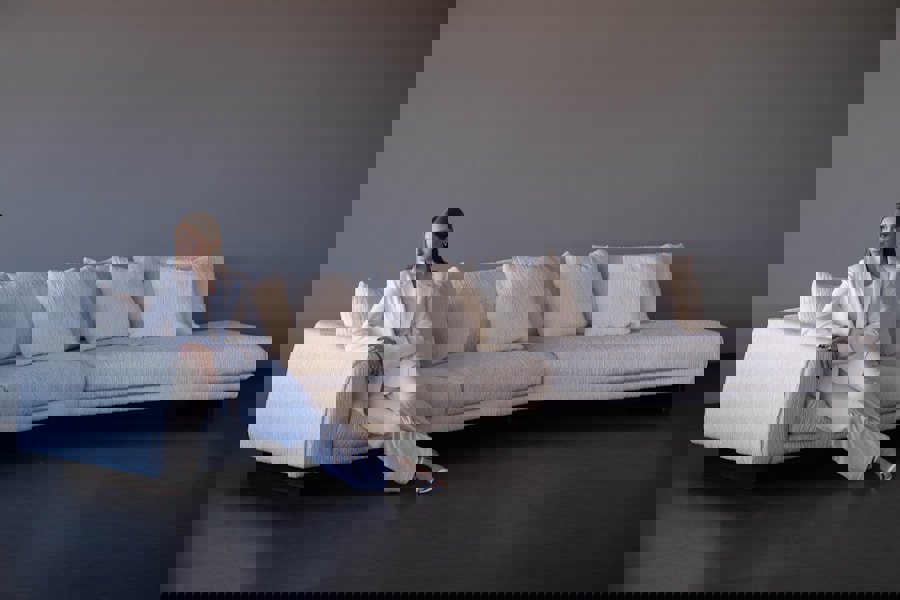
Photo by Caroline Badran on Unsplash
Which Fabric Types Score Best on Durability Specs?
Once you understand weight and thread count, certain fabric types start to make a lot more sense for specific situations. Here's how some popular upholstery categories stack up:
- Chenille: Honestly, chenille is criminally underrated. It's typically medium-to-heavyweight, soft to the touch, and the looped pile construction gives it surprisingly good abrasion resistance. A quality chenille can hit 30,000 or more double rubs with ease.
- Velvet: Velvet gets a bad rap for being high-maintenance, but performance velvet (often solution-dyed or synthetic) is extremely durable and easy to clean. Look for velvet with a double rub count above 25,000 for everyday use.
- Woven jacquard: Jacquard fabrics are made on a special loom that creates intricate patterns directly in the weave structure rather than printing them on. This construction method generally produces tight, dense fabrics with excellent durability, often 30,000 double rubs or higher.
- Linen: Natural linen is breathable and beautiful, especially for spring refresh projects, but it's on the lighter, more delicate end for upholstery. It works well for occasional pieces and accent chairs, less so for a sofa that hosts movie nights twice a week.
- Faux leather and vinyl: These materials bypass thread count entirely since they're not woven. Durability is measured differently, typically by coating thickness and tensile strength. High-quality vinyl and faux leather can be exceptionally durable and are among the easiest upholstery materials to clean.
- Boucle: Boucle is having a major moment in spring 2025 interiors, and it's not just a pretty face. The looped, textured construction adds thickness and resilience, though it's worth noting that boucle is harder to clean when stained, so it's better suited to lower-traffic spaces.
How to Use These Specs When You're Actually Shopping
Here's the practical part. When you're browsing fabric options, here's a simple checklist to run through before adding anything to your cart:
- Check the fabric weight in oz/yd. For a family sofa, aim for 10 oz/yd or heavier.
- Look for the double rub count. For everyday residential use with kids or pets, 30,000 or above is a solid target.
- Ask about fiber content. Solution-dyed acrylics and high-grade polyesters tend to resist fading, staining, and pilling better than untreated natural fibers in high-traffic applications.
- Consider the piece you're upholstering. A decorative accent pillow can handle a lightweight fabric. A sectional that hosts movie nights needs something tougher.
- Don't ignore the feel. Specs matter, but you're going to live with this fabric. If it feels scratchy or stiff when you handle a swatch, that's useful information too.
Spring is a great time to tackle upholstery projects because the natural light helps you see fabric colors accurately, and cooler mornings make it easier to work in your space without getting overheated. If you've been putting off a reupholstery project, this is genuinely a good moment to start shopping with intention.
A Quick Word on Budget and Value
Higher weight and higher double rub counts do tend to come with a higher price per yard. But the math usually works in your favor. A fabric that costs 20% more and lasts twice as long is the better value, especially on a piece of furniture you use every day. Treat the durability specs as part of the total cost calculation, not a premium feature you can skip.
At Famcor Fabrics, you can filter by fabric type to find options across a wide range of weights and constructions. Chenille, jacquard, velvet, woven, and many other categories are available, and knowing what you're looking for before you browse makes the whole process faster and a lot less guesswork.
Frequently Asked Questions
Q: What is a good double rub count for a family sofa?For a sofa used daily in a family home with kids or pets, look for a fabric with at least 30,000 double rubs. This rating indicates the fabric can withstand heavy regular use without significant surface wear. Fabrics rated below 15,000 double rubs are better suited for decorative or occasional-use pieces.
Q: Does a higher thread count always mean a more durable upholstery fabric?Not automatically. Thread count in upholstery is one quality indicator, but fiber type and weave construction matter just as much. A fabric with a high thread count made from low-quality fibers can still pill or wear thin quickly. The double rub count is a more reliable durability measurement for upholstery specifically.
Q: What is the best upholstery fabric weight for everyday furniture?For everyday residential furniture like a living room sofa or dining chairs, a fabric weight of 10 to 14 oz/yd is generally ideal. This range offers the density and durability needed for regular use while remaining workable for most upholstery projects. Lightweight fabrics under 8 oz/yd are better reserved for decorative pillows and drapery.