
What Is Upholstery Fabric Weight and Why Does It Matter?
Upholstery fabric weight is exactly what it sounds like: how much a yard of fabric weighs, measured in ounces. You'll see it listed on product pages as something like "12 oz/yd" or "32 oz/yd," and it's easy to scroll past without a second thought. Don't. That number is one of the most practical clues you have about how a fabric will perform on your furniture over time.
Here's the thing: weight isn't just about thickness. It reflects how densely the fabric is woven or constructed, which directly impacts its durability, how it feels to the touch, how it drapes over furniture, and how well it resists wear. A heavier fabric generally has more fiber packed into every inch of it. That means more friction resistance, a stronger structure, and a longer lifespan under regular use.
For a quick frame of reference, upholstery fabrics generally fall into three broad categories:
- Lightweight (under 10 oz/yd): Delicate, decorative, better suited for accent pieces than daily-use furniture
- Medium weight (10 to 20 oz/yd): The sweet spot for most home furniture, including sofas, armchairs, and dining chairs
- Heavyweight (20 oz/yd and above): Built for high-traffic areas, commercial use, and households with kids or pets
Knowing where a fabric lands in those ranges helps you make smarter decisions before a single swatch arrives at your door.
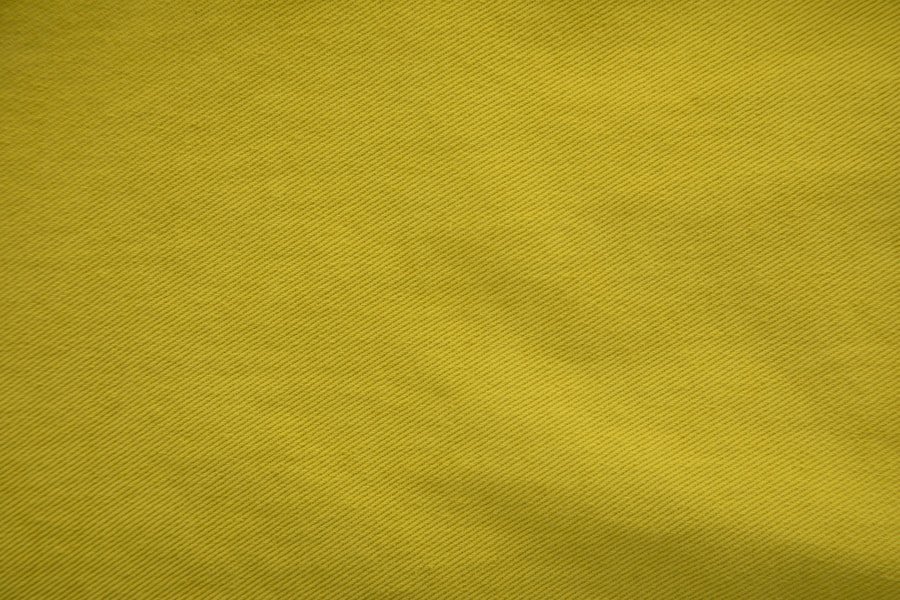
Photo by engin akyurt on Unsplash
How Fabric Weight Affects Durability on Your Sofa and Chairs
Heavier fabrics hold up better under repeated use, and that's not just a general impression. It's backed up by abrasion testing. The most common industry standard is the double rub count, which measures how many times a fabric can be rubbed back and forth before it shows visible wear. One "double rub" equals one back-and-forth motion, simulating someone sitting down and shifting in their seat. Fabrics rated at 15,000 double rubs are considered suitable for light residential use. Anything at 30,000 or above is appropriate for heavy residential use, meaning a busy family room or a couch that sees daily action.
Heavier fabrics almost always carry higher double rub counts, because the denser construction simply gives abrasion fewer places to do damage. A lightweight linen at 8 oz/yd might score around 10,000 to 15,000 double rubs. A heavyweight chenille or jacquard at 25 oz/yd can reach 50,000 or beyond. That's a meaningful difference if your sofa is someone's favorite spot to sprawl out for three hours every evening.
It's also worth thinking about how fabric weight interacts with the type of furniture you're covering. A tightly constructed, heavy fabric on a chair with sharp wooden edges or exposed tacking points will resist fraying much longer than a loosely woven lightweight alternative. The heavier the fabric, the less it moves and shifts during use, which keeps seams and edges from breaking down prematurely.
What Fabric Weight Works Best for High-Traffic Rooms?
For high-traffic rooms, aim for upholstery fabrics at 15 oz/yd or heavier, with a double rub count of at least 30,000. That applies to living rooms, family rooms, kids' play spaces, and any furniture that gets used every single day.
The most forgiving fabrics in this weight range tend to be:
- Chenille: Honestly, chenille is criminally underrated. It's plush, it's warm, and the way it's woven gives it a naturally soft pile that also resists pilling better than many other fabrics at similar weights. A good quality chenille fabric typically falls between 15 and 30 oz/yd and can exceed 50,000 double rubs.
- Woven fabrics and jacquards: The pattern is woven directly into the structure rather than printed on, which means it doesn't fade or wear away separately from the base fabric. Jacquard upholstery often runs 20 oz/yd or heavier.
- Velvet: Velvet gets a bad rap for being fussy, but a quality upholstery velvet at 18 to 25 oz/yd is surprisingly hardwearing and handles daily contact very well.
- Faux leather and vinyl: These don't have a traditional "weight" the same way woven fabrics do, but their thickness (measured in millimeters) functions similarly. Heavier-gauge faux leather resists scratching and peeling much longer and is one of the best choices for pet-friendly households.
Summer is actually a great time to think about this, since heavier upholstery fabrics can feel warmer during hot months. If you live in a warm climate or your living room gets afternoon sun, a medium-weight performance fabric or a lighter-end woven in the 12 to 15 oz/yd range might give you durability without the heat retention of a very thick pile fabric.
Lightweight Fabrics: Where They Shine and Where They Fall Short
Lightweight upholstery fabrics under 10 oz/yd have a real place in your home. They're just not the right tool for every job. Think of them as the accent players, not the starters.
They work beautifully on:
- Accent chairs that are more decorative than functional
- Formal dining room chairs that see occasional use
- Bedroom benches or headboards that don't take daily abrasion
- Decorative pillows and ottomans with light use
Where they fall short is predictable: any furniture that someone sits on every day, anything in a room with kids or pets, and any piece where cleaning is going to happen regularly. Lighter fabrics tend to pill faster, absorb stains more readily, and show wear at seams and edges sooner. They also have a harder time holding upholstery tacks and staples securely, which can cause problems down the line if you're reupholstering a piece yourself.
Lightweight linens and cottons are a good example. They're beautiful and breathable, which makes them tempting for summer reupholstery projects. But at 6 to 9 oz/yd, they're better reserved for lower-use furniture unless they've been treated with a stain-resistant finish or blended with a synthetic fiber to boost their durability.
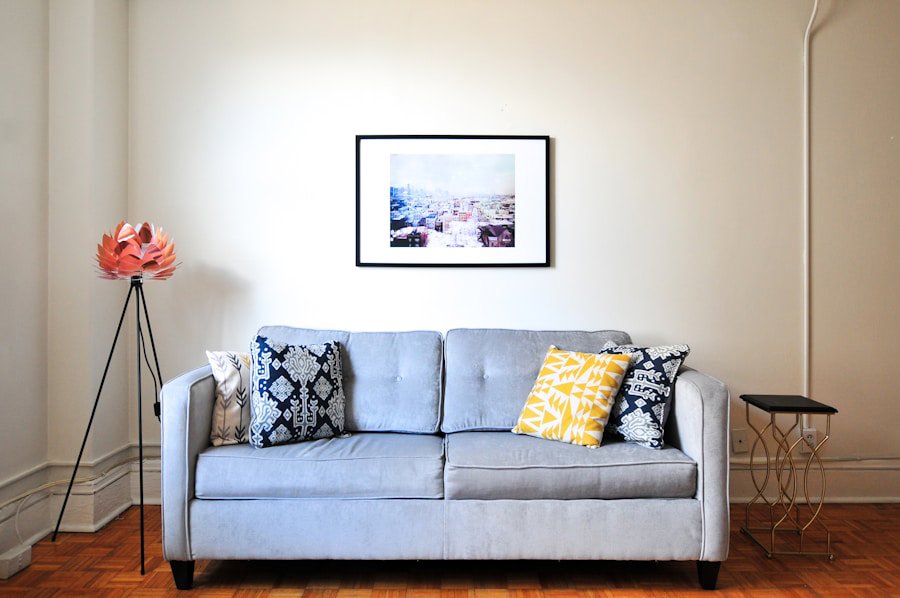
Photo by Naomi Hébert on Unsplash
Matching Fabric Weight to Specific Furniture Pieces
Not every piece of furniture in your home lives the same life. A sofa in the main living room is a different beast from a settee in a guest bedroom. Matching fabric weight to the actual use case is the single most practical thing you can do when shopping for upholstery fabric.
- Main sofa or sectional: 18 to 30 oz/yd, 30,000 to 100,000 double rubs. This is your workhorse piece. Don't compromise here.
- Armchairs (daily use): 15 to 25 oz/yd. Similar logic to a sofa, slightly less surface area but still gets constant contact.
- Dining chairs: 12 to 20 oz/yd. Food and moisture exposure matter here, so look for fabrics with some stain resistance, ideally a solution-dyed construction. Solution-dyed means the color is built into the fiber itself rather than applied to the surface, making stains much easier to clean without fading the fabric.
- Accent chairs and occasional chairs: 10 to 18 oz/yd. A little more flexibility here to prioritize aesthetics if the chair isn't a daily-use piece.
- Ottomans and poufs: 15 to 25 oz/yd, especially if feet are going on them regularly.
- Headboards: 8 to 15 oz/yd. Lower abrasion here, so you can go lighter and focus on softness and visual appeal.
- Decorative pillows and cushions: Wide range is fine. Focus on look and feel rather than durability specs.
One more thing to factor in: the structure of the piece itself. Curved furniture with tight corners requires a fabric with some give so it can be pulled and shaped without puckering. Very heavy, stiff fabrics can be hard to work with on curved or tufted pieces. If you're reupholstering something with a lot of detail, a medium-weight fabric with a slight stretch or diagonal flexibility will cooperate a lot better than a rigid heavyweight option.
A Few More Things Worth Knowing Before You Buy
Fabric weight interacts with a few other specs you'll see on product pages, and understanding the relationship helps you read listings more clearly.
Fiber content matters alongside weight. A 20 oz/yd fabric made from 100% polyester will perform very differently from a 20 oz/yd fabric made from a linen-cotton blend. Synthetic fibers like polyester and solution-dyed acrylic tend to resist moisture, fading, and staining better than natural fibers at the same weight. Natural fibers like linen and cotton often feel better on the skin and look more refined, but they require more care.
Also, weave tightness and pile construction affect durability independently of weight. A tightly woven fabric at 14 oz/yd can outperform a loosely woven fabric at 18 oz/yd because the tighter structure gives individual fibers less room to snag, stretch, or separate. When in doubt, check the double rub count alongside the weight to get the full picture.
And finally: budget. Heavier fabrics do generally cost more per yard, both because they use more fiber and because the weaving or manufacturing process is more involved. But spending a little more on a 20 oz/yd fabric for your main sofa will almost always save you money over replacing a 9 oz/yd fabric that wore out in two years. Think of it as a cost-per-year calculation rather than a cost-per-yard one.
Frequently Asked Questions
Q: What is a good fabric weight for an upholstery fabric on a family room sofa?For a family room sofa, look for an upholstery fabric in the 18 to 30 oz/yd range with a double rub count of at least 30,000. This weight range gives you enough density to handle daily use, kids, and pets without wearing out quickly. Chenille, woven jacquard, and performance velvet are all solid choices in this weight category.
Q: Does heavier upholstery fabric always mean more durable?Heavier fabric is generally more durable, but weight alone doesn't tell the whole story. Weave tightness, fiber content, and construction method all play a role. A tightly woven medium-weight polyester fabric can outperform a loosely woven heavyweight natural fiber. Always check the double rub count alongside the weight to get an accurate picture of durability.
Q: What does "ounces per yard" mean on a fabric product page?Ounces per yard refers to how much one yard of the fabric weighs. It's a standard measurement that reflects the density of the weave and the amount of fiber used. Higher numbers indicate a denser, heavier fabric that typically holds up better to abrasion and repeated use. Lower numbers indicate a lighter, more delicate construction better suited to decorative or low-use applications.