
Velvet upholstery fabric is one of those materials that stops people in their tracks. You see it on a sofa in a showroom or a photo online and you immediately want to run your hand across it. Then reality kicks in and you start wondering: is this actually a smart choice, or am I just going to spend the rest of my life babying a couch? It's a fair question, and honestly, velvet deserves a much better defense than it usually gets.
What Is Velvet Upholstery Fabric, Really?
Velvet is a cut-pile fabric, meaning the loops of yarn that form the surface are sliced open to create that signature soft, upright pile. The way light hits those cut fibers from different angles is exactly what gives velvet its characteristic depth and sheen. It's not a single fiber type. Velvet can be woven from cotton, polyester, nylon, rayon, or blends of all of the above, and that distinction matters a lot when you're choosing it for furniture.
Performance velvet for upholstery is typically made from polyester or a polyester-nylon blend. These synthetic velvets resist crushing and pilling far better than traditional cotton velvet, and they're significantly easier to clean. A high-quality performance velvet can achieve a double rub count of 30,000 or higher, which meets the residential durability standard recommended by most fabric manufacturers. Some heavy-duty upholstery velvets reach 100,000 double rubs, putting them firmly in commercial-grade territory.
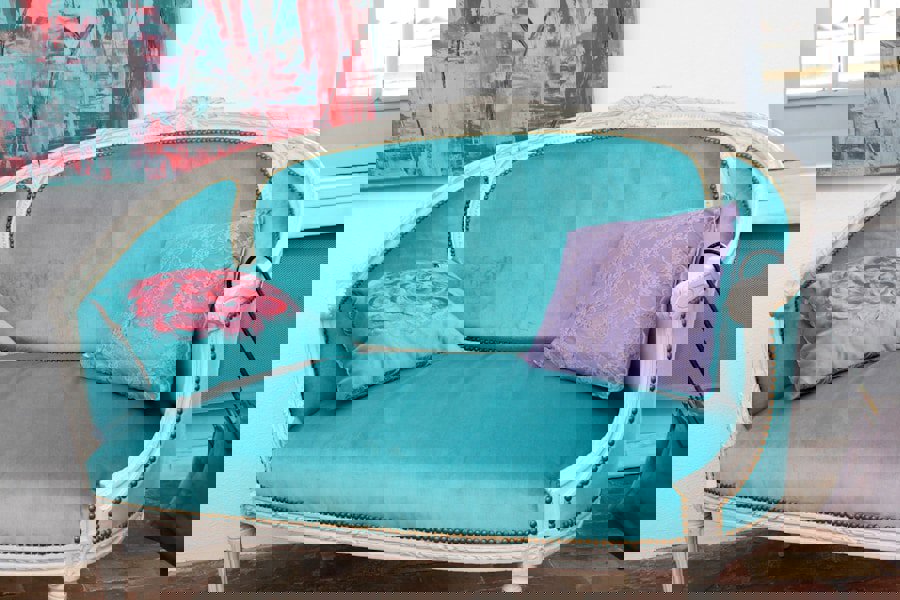
Photo by Margit Knobloch on Unsplash
Is Velvet a Practical Choice for Everyday Furniture?
Yes, modern velvet upholstery fabric is genuinely practical for everyday use, especially when you choose a performance or solution-dyed version. The key is knowing what type of velvet you're actually buying.
Here's the thing: not all velvet is the fragile stuff your grandmother warned you about. Solution-dyed velvet, where the color is added to the fiber before weaving rather than applied afterward, offers exceptional fade resistance and moisture resistance. That makes it a solid pick for spring and summer when natural light is stronger and humidity is higher. It also tends to perform better over time because the color goes all the way through the fiber, so wear doesn't leave light patches on the surface.
Crushed velvet and textured velvet styles are also worth a look if you're worried about visible marks. Because the pile is already multidirectional, everyday sitting and moving around doesn't create the obvious "strokes" you sometimes see on smooth, flat-pile velvet. Plus, they carry a lot of that same luxurious look that makes velvet so appealing in the first place.
What Colors and Styles Are Trending in Velvet This Spring?
Spring 2025 is leaning into rich, saturated colors alongside softer, more organic neutrals, and velvet handles both beautifully. Deep jewel tones like sapphire blue, forest green, and plum are still very much in the conversation for accent chairs and headboards. At the same time, there's a strong pull toward warmer neutrals: camel, dusty rose, and warm cream velvets are showing up in living rooms that want softness without going cold or stark.
The texture of velvet naturally adds visual weight and warmth to a piece, which works particularly well in spring when you're transitioning away from heavier winter textiles. Swapping out a chunky woven throw pillow cover for a blush velvet one is a small move that shifts the whole mood of a room. And if you're reupholstering a chair or sofa this season, a mid-toned sage or terracotta velvet reads as fresh and current without being trendy in a way that'll feel dated in two years.
Designers are also mixing velvet with contrasting textures right now. Pairing a velvet sofa with linen or cotton accent pieces creates that intentional, layered look that reads as expensive and considered. The softness of velvet plays really well against matte, slightly rougher weaves.
Photo by Krys Altimas on Unsplash
How Do You Actually Care for Velvet Upholstery?
Caring for velvet upholstery is simpler than most people expect, especially with modern performance fabrics. Most polyester-based upholstery velvets are rated W (water-based cleaning) or W-S (water or solvent), meaning you can spot-clean spills without calling in a professional.
A few practical rules that make a real difference:
- Blot spills immediately. Don't rub. Rubbing pushes the liquid deeper into the pile and can permanently crush the fibers.
- Use a soft-bristle brush or velvet brush to restore the pile after cleaning or if it gets flattened from regular use. A quick pass in one direction brings it right back.
- Keep velvet furniture out of direct sunlight where possible. Even solution-dyed fabrics benefit from some UV protection. A UV-filtering window film makes a bigger difference than most people realize.
- Steam can be your best friend for crushed velvet. Holding a steamer a few inches from the surface and brushing lightly while steaming can revive a flattened pile in minutes.
- Check the fabric care label before doing anything. The cleaning code tells you exactly what's safe, and skipping that step is how accidents happen.
Velvet and pets is a common worry, and honestly it's a valid one. Pet hair does cling to velvet more readily than it does to tighter weaves. That said, a lint roller handles it quickly, and some performance velvets now include an anti-static finish that reduces how much fur actually sticks. If you have multiple pets and heavy daily use, going with a darker color or a textured velvet style will hide things much better than a light solid.
How to Choose the Right Velvet Upholstery Fabric for Your Project
The double rub count is your most important starting point. For a sofa or chair in a busy household, look for a minimum of 30,000 double rubs for residential use. If you're a designer working on a commercial project, a hospitality space, or a family room that sees serious daily traffic, aim for 50,000 or higher.
Beyond durability, think about pile height and pile direction. A shorter, denser pile is generally more durable and easier to maintain. Longer pile velvets look incredibly luxurious but can show wear patterns more quickly in high-use spots like seat cushions and armrests. For those areas specifically, a denser weave pays off over time.
Also, consider the backing. A good upholstery velvet will have a woven or knit backing that gives it stability during the upholstering process and prevents stretching over time. If a velvet feels very light and floppy with no structure, it's likely a decorative or apparel fabric that isn't built for furniture stress.
When you're buying online, request a sample first. Velvet photographs beautifully but the color, pile direction, and hand feel can vary quite a bit between your screen and real life. A sample lets you check it against your room's lighting and existing pieces before committing to yardage.
Frequently Asked Questions
Q: Is velvet upholstery fabric durable enough for a family sofa?Yes, performance velvet with a double rub count of 30,000 or higher is durable enough for everyday residential use. Polyester-based velvets are particularly resistant to crushing, pilling, and fading, making them a practical choice for family sofas and high-use seating.
Q: What is the best way to clean velvet upholstery fabric?Blot spills immediately with a clean cloth and avoid rubbing, which can crush the pile. Most performance upholstery velvets are W or W-S rated, meaning you can use a water-based cleaner for spot treatment. Always check the fabric's care code label before applying any cleaning product.
Q: Does velvet upholstery work well in homes with pets?Velvet can attract pet hair more than tighter weave fabrics, but it's manageable with regular lint rolling. Choosing a performance velvet with an anti-static finish, a darker color, or a textured crushed pile style will help minimize visible pet hair and everyday wear between cleanings.