
Velvet upholstery fabric has a reputation problem. Somewhere along the way, it got filed under "too fancy," "too high-maintenance," or "something your grandmother had on furniture you weren't allowed to sit on." And honestly? That reputation is decades out of date. Today's velvet is engineered for real homes, real families, and real furniture, and it happens to look incredible while it does the job. If you've been sleeping on velvet, spring is the season to wake up.
What Exactly Is Velvet Upholstery Fabric?
Velvet is a cut-pile woven fabric, meaning its signature softness comes from evenly cut loops of fiber that stand upright from the base weave. That pile structure is what gives velvet its characteristic sheen and that satisfying directional effect where the color appears to shift slightly depending on how the light hits it. Traditional velvet was made from silk, which is why it earned its luxury status. Modern upholstery velvet is most commonly made from polyester, cotton, nylon, or blended fibers, each with different performance profiles worth knowing before you buy.
Polyester velvet is the workhorse of the group. It resists staining, holds color well, and typically delivers a double rub count of 30,000 or higher, making it genuinely suitable for everyday furniture in active households. Cotton velvet has a softer, more matte appearance and a natural breathability that makes it comfortable in warmer months. Nylon-blend velvets sit somewhere in between, offering excellent abrasion resistance alongside that plush, tactile surface people love.
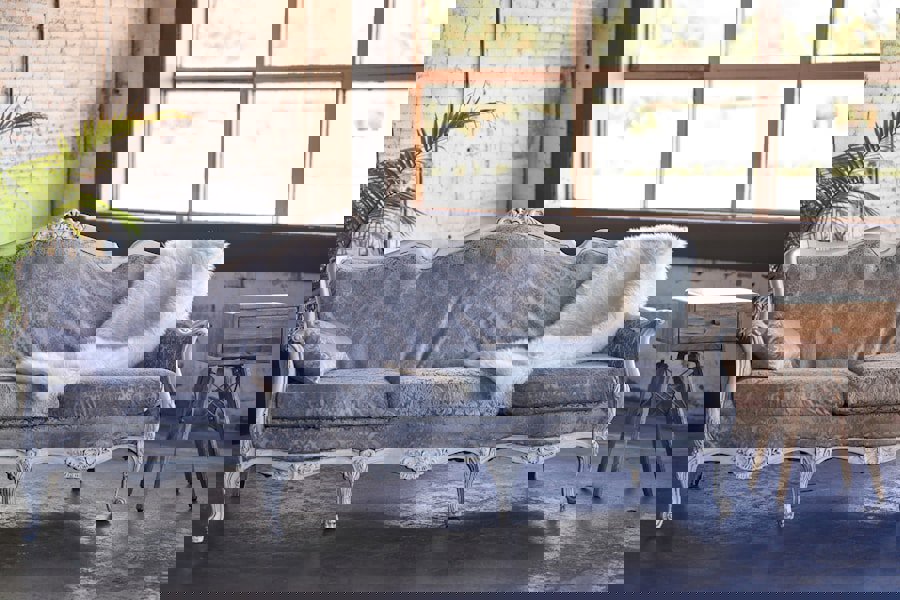
Photo by Dan LeFebvre on Unsplash
Is Velvet Fabric Durable Enough for Everyday Furniture?
Yes. Quality velvet upholstery fabric, particularly solution-dyed or high-pile polyester velvet, can withstand 30,000 to 100,000 double rubs depending on construction, making it appropriate for sofas, accent chairs, and dining seating in most residential settings. The Martindale abrasion test and the Wyzenbeek double rub count are the two industry-standard methods used to measure how well a fabric holds up to friction over time. For a sofa that gets daily use, look for a minimum of 15,000 double rubs. For a heavily used family room piece, aim for 30,000 or more.
Here's the thing: pile fabrics like velvet can show wear differently than flat-woven fabrics. You might notice "crushing," where the pile flattens in high-contact areas like seat cushions. This isn't damage, it's just physics. A quick brush with a soft upholstery brush or a light steaming usually brings the pile back up. Performance velvets, often labeled as "velvet with a backing" or "solution-dyed velvet," are specifically engineered to resist crushing and are a smart choice for any furniture that sees real use.
One underrated factor: velvet's pile structure actually traps pet hair on the surface rather than embedding it deep into the weave, which makes it easier to remove than you'd expect. A lint roller or a damp rubber glove does the trick in seconds. Pet owners, take note.
What Colors and Styles Work Best With Velvet Upholstery?
This is where velvet really earns its keep. The pile structure naturally intensifies color, which means a forest green velvet sofa looks richer than the same color in a flat fabric. Deep jewel tones, navy, emerald, sapphire, plum, have become some of the most popular velvet choices in interior design circles over the last few years, and it's easy to see why. They photograph beautifully, they anchor a room, and they feel genuinely luxurious without needing much else around them to look intentional.
That said, neutrals in velvet are having a real moment right now. Cream, warm greige, and soft sage velvet upholstery are everywhere in spring 2025 home decor, and they work especially well if you want the texture of velvet without committing to a bold color. A cream velvet accent chair in a bright spring living room hits that sweet spot between cozy and fresh.
- Jewel tones: Navy, emerald, and plum velvet create a rich, anchoring focal point in living rooms and home offices.
- Neutrals: Cream, warm white, and greige velvet are trending for spring and pair easily with natural wood and linen accents.
- Blush and dusty pink: Soft, muted pinks in velvet read as sophisticated rather than saccharine and work beautifully in bedrooms and reading nooks.
- Classic black: Black velvet never actually went anywhere. It's dramatic, timeless, and surprisingly easy to style around.
- Terracotta and burnt orange: Earthy velvet tones feel very current right now and bring warmth to rooms with lots of natural light.
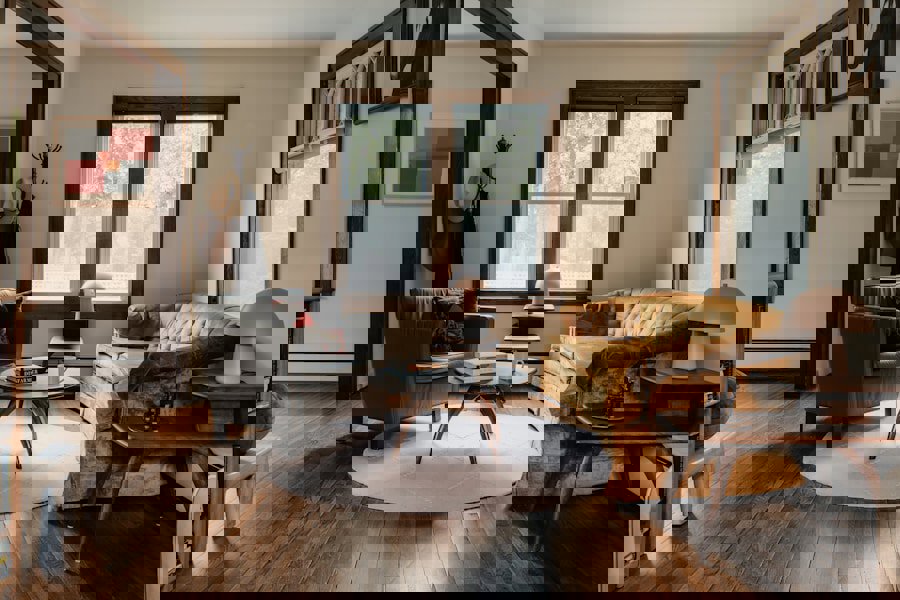
Photo by Clay Banks on Unsplash
How Do You Care for Velvet Upholstery Fabric?
Velvet upholstery care is simpler than most people expect. For routine maintenance, a soft-bristle upholstery brush used in the direction of the pile keeps the fabric looking fresh and prevents matting. Most modern polyester velvets are spot-cleanable with a mild detergent and water solution applied with a clean cloth, always blotting rather than rubbing. Rubbing a velvet pile aggressively is the main thing to avoid, it can permanently distort the fibers.
For steam cleaning, a handheld garment steamer held a few inches from the fabric surface is one of the best tools for refreshing crushed velvet pile. Apply steam in short bursts, then brush the pile back into place while it's still slightly warm. Professional cleaning is recommended for full soaks or stubborn stains, especially on cotton velvet, which is more sensitive to moisture than polyester blends.
Sunlight is worth thinking about too. Velvet, like many pile fabrics, can experience color fading with prolonged direct sun exposure. If your furniture sits near a south-facing window, look for solution-dyed velvet specifically. In solution-dyed fabric, the color is locked into the fiber itself during manufacturing rather than applied to the surface, which dramatically improves UV resistance and overall colorfastness over time.
Choosing the Right Velvet for Your Project
Not all velvet is created equal, and knowing what to look for saves a lot of regret later. Fabric weight matters: heavier velvet tends to drape and upholster more smoothly and generally wears better over time. Check the backing too. A fabric-backed or latex-backed velvet has more body, holds its shape on upholstered pieces, and is less likely to stretch or sag during and after installation.
For upholstery specifically, avoid fashion or apparel velvet. It's lighter, not designed for friction and weight-bearing, and will break down much faster on a sofa than a purpose-built upholstery velvet. If a fabric listing doesn't specify a double rub count or a recommended end use, that's your cue to ask before buying.
Also, consider the furniture piece itself. Tightly upholstered pieces like tufted sofas and curved chairs show velvet at its absolute best because the pile catches light across all those angles and seams in a way that flat fabric simply can't replicate. For casual, relaxed shapes like a large sectional, a performance velvet with good crush resistance will serve you better day to day.
Frequently Asked Questions
Q: Is velvet upholstery fabric good for homes with kids and pets?Performance polyester velvets with a double rub count of 30,000 or higher are a solid choice for homes with kids and pets. They resist staining, are easy to spot-clean, and because the pile sits on the surface, pet hair tends to come off with a lint roller rather than embedding deep in the weave. Avoid delicate cotton velvet in high-traffic spaces and opt for a solution-dyed or performance-grade velvet instead.
Q: What is the difference between velvet and velour upholstery fabric?Velvet is a woven cut-pile fabric, meaning the pile is created during the weaving process and then cut. Velour is a knit fabric with a similar soft surface but a stretchier, less structured base. For upholstery, velvet is generally the stronger, more stable choice because its woven construction holds its shape better under the tension and wear of furniture use.
Q: How do I fix crushed velvet upholstery?Hold a handheld garment steamer a few inches from the crushed area and apply short bursts of steam without touching the fabric directly. While the pile is still warm and slightly damp, use a soft upholstery brush to stroke the pile back in its natural direction. This restores the pile in most cases and is safe for polyester and most blended velvets.