
Velvet upholstery fabric is one of those materials that people either adore immediately or assume isn't for them. Too fancy. Too delicate. Too much. But here's the thing: most of that thinking is based on grandmother's velvet settee, not the incredibly varied, surprisingly practical velvet options available today. Whether you're reupholstering a vintage armchair, outfitting a new sectional, or just trying to add some visual richness to a room that's feeling a little flat, velvet deserves a serious second look.
What Exactly Is Velvet Upholstery Fabric?
Velvet is a cut-pile fabric, meaning its characteristic softness and sheen come from evenly cut loops of fiber that stand upright from the base weave. That pile structure is what gives velvet its signature look: a surface that seems to shift color slightly depending on which direction you're viewing it from. This optical effect is called pile direction, and it's one of velvet's most distinctive qualities.
Traditional velvet was made from silk, which is part of why it earned that formal, precious reputation. Today, upholstery velvet is most commonly made from polyester, cotton, viscose, or blended fibers. Polyester velvet in particular has come a long way. It holds color exceptionally well, resists crushing, and handles everyday use without turning into a wrinkled mess by week three. Cotton velvet has a softer, slightly more matte appearance that reads as relaxed and organic rather than showy. Viscose blends tend to sit somewhere in between, offering a subtle sheen without going full glamour.
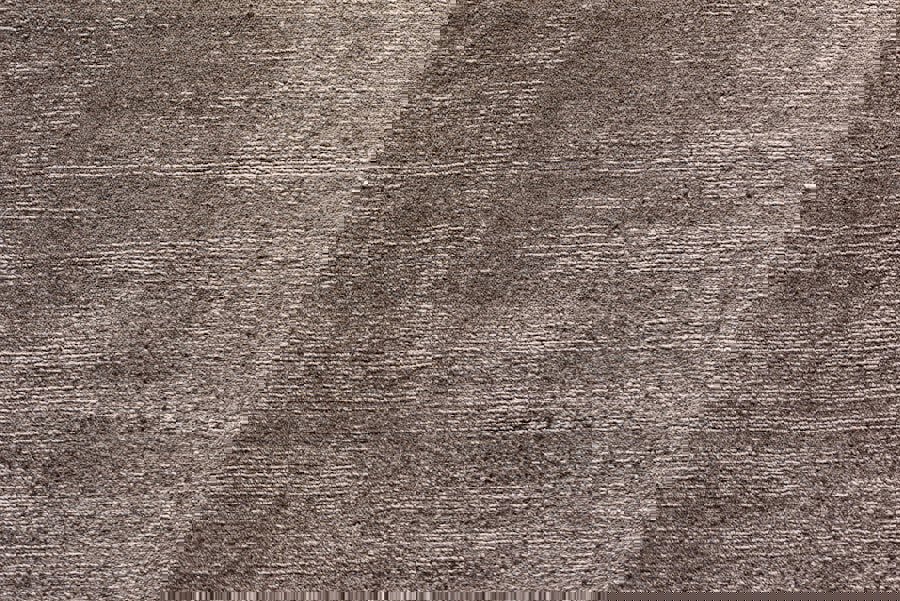
Photo by Scarbor Siu on Unsplash
Is Velvet Fabric Actually Durable Enough for Everyday Furniture?
Yes, and this surprises a lot of people. Quality upholstery-grade velvet typically achieves double rub counts of 30,000 or higher, which places it firmly in the heavy-duty residential use category. Some performance velvets on the market exceed 100,000 double rubs, making them genuinely suitable for high-traffic seating.
The double rub count measures how many back-and-forth abrasion cycles a fabric can withstand before showing wear. For context, general upholstery use is considered light-duty under 15,000 double rubs, medium-duty between 15,000 and 30,000, and heavy-duty above 30,000. A well-constructed polyester velvet comfortably clears that heavy-duty threshold, which means it can handle a household that actually lives in it.
Crush resistance is the other durability question people raise with velvet. The pile can flatten in high-use spots over time, but this is easy to manage. A light steaming or a gentle brushing with a soft cloth in the direction of the pile is usually enough to restore the look. Some performance velvets are engineered with a tighter pile construction specifically to reduce crushing. If you're shopping for a piece that gets constant use, look for that detail in the product specs.
Velvet also tends to repel pet hair better than many textured fabrics. The smooth, dense pile doesn't grip fur the same way a looped fabric like boucle does. That's a genuine practical win that doesn't get talked about enough.
What Colors and Styles Work Best for Spring Decorating?
Spring is honestly velvet's best season for new purchases. The contrast between velvet's rich texture and spring's lighter, airier aesthetic creates exactly the kind of visual tension that makes a room feel intentional rather than accidental. You're not going all-in on cozy winter darkness, and you're not going completely breezy and minimal either. You're landing somewhere interesting.
Right now, the interior design world is leaning hard into jewel tones for velvet upholstery. Deep sage green, dusty rose, warm terracotta, and soft cobalt are all having a strong moment. These work especially well on accent chairs and smaller sofas because they add color without overwhelming a room. If you want something more versatile, a classic slate grey or warm cream velvet reads as elevated and neutral without defaulting to boring.
For spring specifically, consider pairing a velvet piece in a muted earthy tone, like a dusty mauve or faded olive, with lighter linen curtains and natural wood furniture. The velvet provides weight and texture while the other materials keep the room feeling seasonal and fresh. It's a combination that photographs beautifully and looks just as good in person.
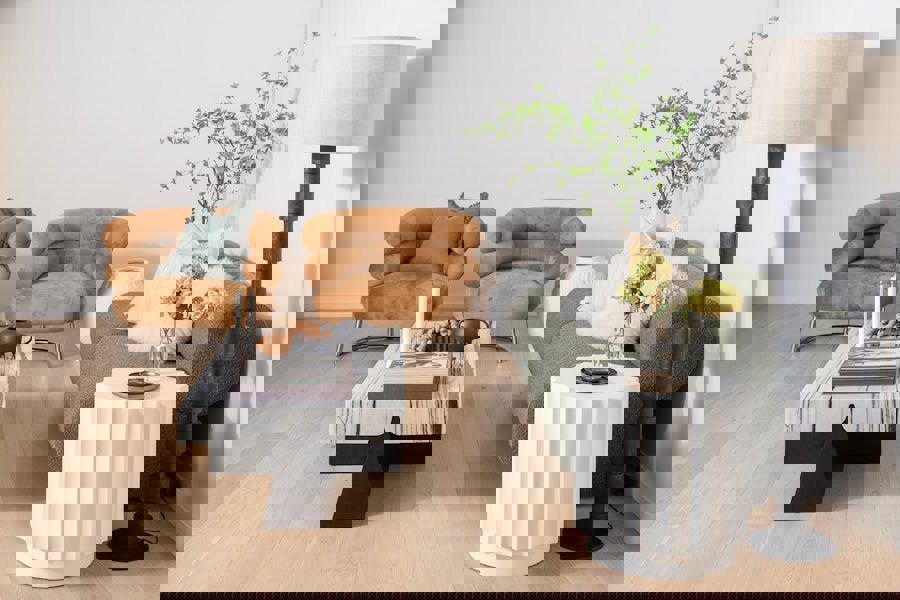
Photo by Sayless studios on Unsplash
How Do You Care for Velvet Upholstery Fabric?
Velvet care is simpler than most people expect. For routine maintenance, a light vacuuming with a soft brush attachment once a week keeps the pile looking clean and prevents dust from settling into the fibers. For spot cleaning, blot, never rub. Rubbing a velvet stain is the fastest way to make it permanent and flatten the pile in that spot.
Most polyester and polyester-blend velvets are water-cleanable, meaning a mild upholstery cleaner diluted in water will handle the majority of spills. Always test any cleaner on a hidden section of the fabric first. Cotton velvet is slightly more sensitive to water and may require dry cleaning for significant stains, so check the care label before assuming you can go the DIY route.
Avoid placing velvet upholstery in direct, sustained sunlight. Even solution-dyed fibers, which are colored through the fiber rather than on the surface and generally offer superior fade resistance, will eventually show color change under intense UV exposure. A sheer window covering goes a long way toward protecting the investment.
One more thing: keep velvet away from rough surfaces and Velcro. Both will pull and damage the pile in ways that are very difficult to reverse. It sounds obvious, but it's an easy oversight during moves or rearranging.
Frequently Asked Questions
Q: Is velvet upholstery fabric good for homes with pets?Velvet can actually work quite well in pet-friendly homes. Its dense, smooth pile tends to release pet hair more easily than looped or heavily textured fabrics. Look for upholstery-grade polyester velvet with a double rub count above 30,000 for the best durability, and avoid lighter colors if your pet sheds heavily.
Q: What is the difference between velvet and microfiber for upholstery?Velvet is a cut-pile fabric with a characteristic soft sheen and pile direction, while microfiber is a tightly woven synthetic fabric with a suede-like finish and no visible pile. Velvet offers more visual richness and texture, while microfiber is generally more stain-resistant and easier to clean in high-traffic situations.
Q: How many double rubs should upholstery velvet have for everyday use?For everyday residential use, look for an upholstery velvet with a minimum double rub count of 15,000, though 30,000 or higher is recommended for heavily used pieces like sofas or dining chairs. Performance velvet options often exceed 50,000 to 100,000 double rubs and are suitable for commercial settings as well.