
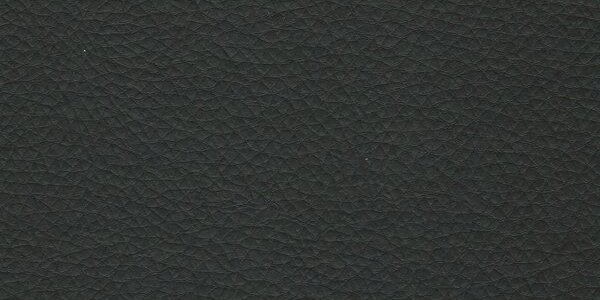
Vinyl upholstery fabric doesn't always get the credit it deserves. It's been cast as the utilitarian option, the one you pick when you've given up on anything nice. But here's the thing: that take is about ten years out of date. Modern vinyl has come a long way, and if you're furnishing a high-traffic space, outfitting a commercial setting, or just tired of babying your sofa, vinyl might genuinely be the smartest fabric choice you can make this spring.
What Exactly Is Vinyl Upholstery Fabric?
Vinyl upholstery fabric is a synthetic material made primarily from polyvinyl chloride (PVC), often applied over a knit or woven fabric backing for added flexibility and strength. That backing layer is important. It's what separates quality upholstery-grade vinyl from the crinkly stuff you'd find on a cheap notebook cover. The PVC surface can be embossed with textures, grain patterns, or matte finishes that convincingly mimic leather, suede, or even woven fabric. The result is a material that looks intentional and can hold its own aesthetically in most rooms.
Vinyl is not the same as faux leather, though the two terms get used interchangeably a lot. Faux leather is a broader category that includes polyurethane (PU) options, which tend to feel softer and more breathable. Vinyl is denser, more water-resistant, and generally more durable under hard use. Different product, different strengths.
Photo by Zoshua Colah on Unsplash
How Durable Is Vinyl Upholstery Compared to Other Fabrics?
Vinyl upholstery fabric is one of the most durable options on the market, with quality grades routinely testing at 100,000 double rubs or more using the Wyzenbeek abrasion method. For reference, a fabric rated above 15,000 double rubs is considered heavy-duty for residential use, and anything above 30,000 double rubs meets commercial-grade standards. Vinyl clears both bars by a significant margin.
That durability translates directly to real life. It resists punctures better than most wovens. It doesn't fray. It won't absorb spills, so liquids sit on the surface until you wipe them away. For households with kids, pets, or just people who eat on the couch without apology (no judgment), that performance is genuinely valuable. Vinyl also holds up well against UV exposure, especially when it's pigment-stabilized, making it a solid pick for sunrooms or spaces that get a lot of direct light through spring and summer windows.
One honest caveat: vinyl doesn't breathe the way natural fibers do. It can feel warmer in humid climates or on very hot days. That's a real consideration, not a dealbreaker, but worth knowing before you commit to a vinyl sectional in a non-air-conditioned space.
What Is Vinyl Upholstery Fabric Best Used For?
Vinyl upholstery fabric performs best in environments where durability and easy cleaning matter more than softness or breathability. It's the go-to material for restaurants, healthcare waiting rooms, childcare spaces, and commercial seating for a reason: it can be wiped down with disinfectant without degrading the surface. Many healthcare-grade vinyl fabrics are also rated for antimicrobial performance, which is a feature you simply can't get from woven textiles without additional chemical treatments.
At home, vinyl shines in a few specific spots. Dining chairs are an obvious win. Kitchen banquette seating, mudroom benches, and playroom furniture all benefit from a fabric that laughs at spills. Outdoor-adjacent spaces like sunrooms and covered patios are another strong fit, since vinyl resists moisture and mildew far better than most indoor upholstery fabrics. Honestly, if you've got a bench in your entryway that's taken more abuse than it can handle, reupholstering it in a good vinyl is one of the most practical decisions you'll make all year.
Interior designers also use vinyl strategically in high-end residential projects. A tailored accent chair in a sleek matte vinyl, a set of dining chairs in a cognac grain pattern, a modern bar stool with a textured surface finish. Done right, vinyl reads as polished, not cheap. The key is choosing a higher-grade product with a realistic texture and a quality backing.
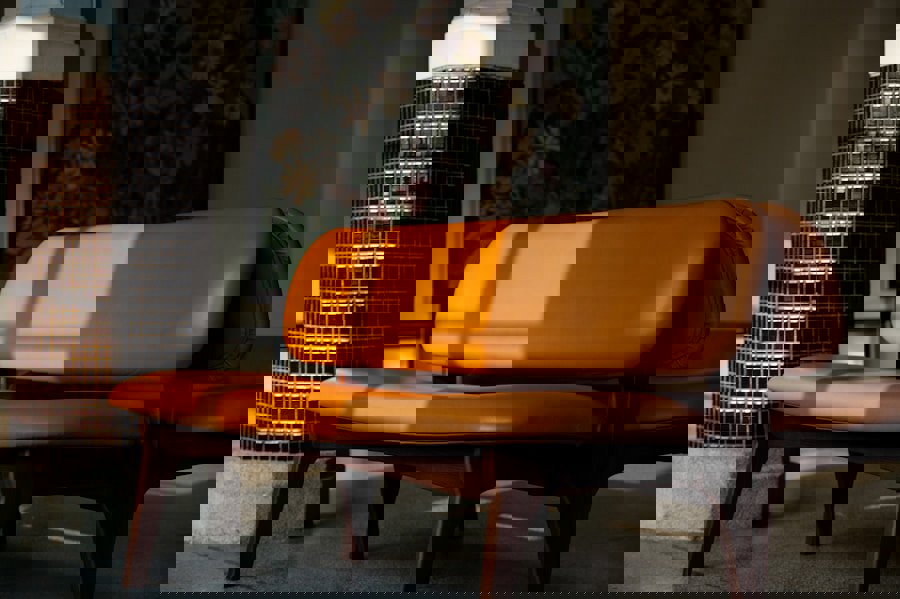
Photo by Turquo Cabbit on Unsplash
How Do You Care for Vinyl Upholstery Fabric?
Caring for vinyl upholstery fabric is straightforward: most everyday cleaning requires nothing more than a damp cloth. For tougher stains, a mild soap solution works well, and vinyl can typically handle diluted disinfectants without damage, though you should always check the manufacturer's care instructions for the specific product you're using. Avoid petroleum-based solvents and abrasive scrubbers, which can break down the surface coating over time.
One maintenance habit that makes a real difference is conditioning. Just like genuine leather, vinyl benefits from occasional treatment with a vinyl conditioner or protectant. This helps prevent cracking and keeps the surface supple, especially in climates with low humidity or significant temperature fluctuations. A good conditioner applied two to four times a year is usually enough to keep vinyl looking fresh for years.
Storage and direct heat are the two biggest enemies. Vinyl left in extremely cold conditions can stiffen and crack. High heat, like parking a vinyl-upholstered chair directly in front of a heat vent all winter, can cause the surface to dry out faster than normal. A little common sense placement goes a long way.
What Should You Look for When Buying Vinyl Upholstery Fabric?
Not all vinyl upholstery fabric is created equal, and the differences matter a lot for long-term satisfaction. Here's what to pay attention to before you buy:
- Backing type: A knit backing gives vinyl more stretch and flexibility, making it easier to work with around curved furniture forms. A woven backing adds firmness and stability, better for flat or structured pieces.
- Double rub count: Look for at least 50,000 double rubs for residential heavy use. For commercial applications, prioritize 100,000 or above.
- Thickness (measured in gauge or ounces per yard): Heavier vinyl tends to be more durable and drapes better on furniture. Thin vinyl can look flimsy and wear faster at stress points.
- Texture and finish: Matte finishes tend to look more sophisticated and hide surface scuffs better than high-gloss options. Embossed grain patterns add visual realism and tactile interest.
- Flame resistance: Many commercial-grade vinyl fabrics are inherently flame-retardant. If this matters for your project, confirm it's built into the material rather than applied as a surface treatment, which can wear off.
- Width: Most upholstery vinyl comes in 54-inch widths, which is standard. Wider material can reduce seam placement on large pieces.
Spring is actually a good time to think about a vinyl refresh for outdoor-transitional or high-use spaces, since you're heading into the months when spills, sun, and foot traffic all pick up. Getting ahead of that wear with a durable fabric is just smart timing.
Frequently Asked Questions
Q: Is vinyl upholstery fabric good for homes with pets?
Yes, vinyl is one of the best upholstery options for pet owners. It resists scratches better than most wovens, doesn't absorb pet odors or moisture, and wipes clean easily. Pet hair also doesn't cling to the surface the way it does to textured fabrics like chenille or velvet.
Q: What is the difference between vinyl and faux leather upholstery fabric?
Vinyl upholstery is made from PVC and tends to be denser, more water-resistant, and more durable than most faux leather options. Faux leather is a broader category that often includes polyurethane (PU) materials, which are softer and more breathable but generally less resistant to hard wear and moisture.
Q: How long does vinyl upholstery fabric last?
With proper care, quality vinyl upholstery fabric can last 10 to 15 years or more in residential settings. Commercial-grade vinyl used in high-traffic environments typically maintains performance for 5 to 10 years depending on use intensity. Regular conditioning and avoiding direct heat exposure are the two biggest factors in extending its lifespan.