
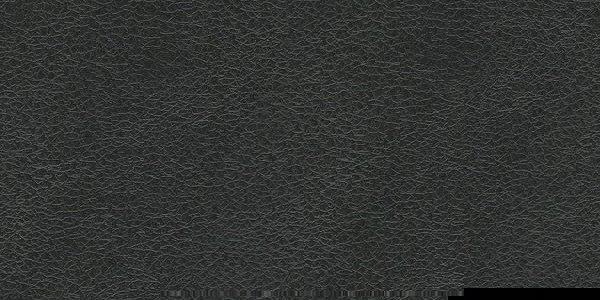
Vinyl upholstery fabric doesn't get nearly enough credit. It's been quietly doing the heavy lifting in homes, restaurants, boats, and medical offices for decades, and most people still think of it as the scratchy stuff from a 1970s diner booth. That version of vinyl is long gone. Today's vinyl upholstery is soft, flexible, good-looking, and genuinely one of the most practical choices you can make for high-traffic furniture. If you've been sleeping on it, this spring is a good time to wake up.
What Is Vinyl Upholstery Fabric, and How Is It Made?
Vinyl upholstery fabric is a synthetic material made primarily from polyvinyl chloride (PVC), which is bonded to a fabric backing, usually knit or woven polyester. The PVC layer is what gives vinyl its signature water resistance and wipeability, while the backing adds stretch, stability, and structure. Modern manufacturing processes also allow for embossing, which means vinyl can be textured to mimic leather grain, linen weave, suede, and other surfaces convincingly well.
The result is a fabric that looks finished and intentional, not cheap. High-quality vinyl upholstery typically has a thickness measured in gauges or millimeters, and better grades use a triple-laminate construction for added durability and a more supple feel. It's not trying to fool anyone into thinking it's natural leather, but honestly, in the right application, it doesn't need to.
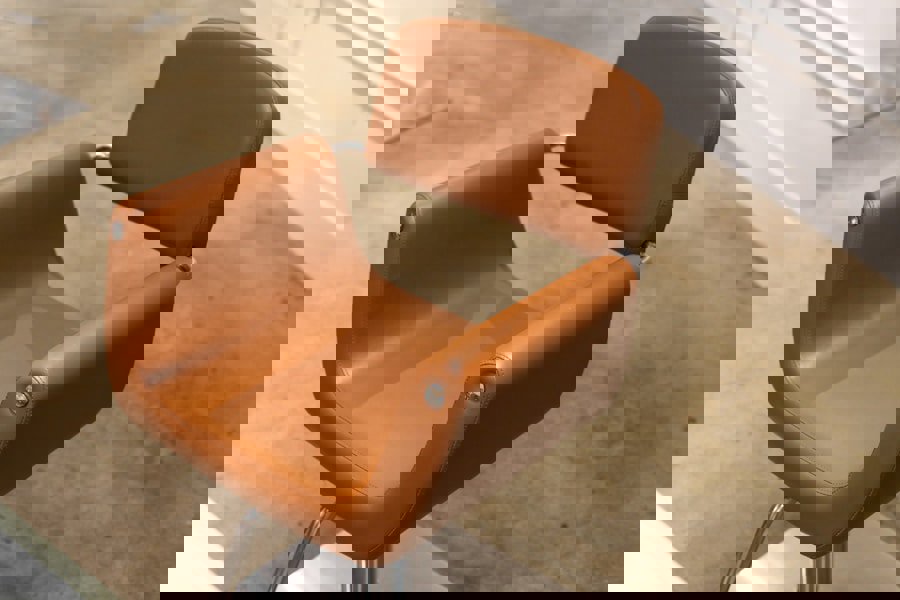
Photo by Giorgio Trovato on Unsplash
Why Is Vinyl Such a Popular Choice for Upholstery?
Vinyl is one of the most durable upholstery fabrics available, with commercial-grade versions commonly rated at 250,000 double rubs or higher on the Wyzenbeek abrasion test. For context, a fabric with 15,000 double rubs is considered suitable for everyday residential use. That gap is significant. Vinyl's durability makes it the go-to choice for commercial seating, healthcare environments, and any home where furniture actually gets used hard.
Beyond durability, vinyl is completely non-porous when intact, meaning spills sit on the surface instead of soaking in. Juice, coffee, pet accidents, muddy hands, whatever your household throws at furniture, vinyl handles it with a damp cloth and maybe a little mild soap. That's a level of practicality that natural fabrics simply can't match without chemical treatments. For families with young kids or pets, it's hard to overstate how much easier life gets with vinyl-covered furniture.
Also, vinyl holds up well against UV exposure compared to many natural fibers. It won't bleach out or weaken as quickly when placed near windows or in sunrooms, which makes spring and summer the perfect time to reupholster pieces that take afternoon sun.
What Are the Best Uses for Vinyl Upholstery Fabric?
Vinyl upholstery fabric performs best in situations where easy cleaning and longevity are priorities. Dining chairs are one of the most popular uses because they take a constant beating from food, drinks, and daily scraping. Vinyl-covered dining chairs can be wiped clean between meals in seconds, which is exactly the kind of low-maintenance win that makes homeowners wonder why they ever chose anything else.
Here's the thing: vinyl also works beautifully for outdoor-adjacent spaces. Covered patios, sunrooms, and screened porches benefit from vinyl's moisture resistance and its ability to handle humidity without growing mildew. Not all vinyl is rated for fully outdoor exposure to rain and direct UV, so check the spec sheet before buying for an uncovered space, but for semi-outdoor use it's a natural fit.
Other strong applications include:
- Home bars and entertainment seating
- Kids' playroom furniture
- Boat and RV interiors (marine-grade vinyl is specifically engineered for this)
- Home office chairs and benches
- Mudroom benches and entryway seating
- Healthcare or home care spaces where sanitation matters
How Does Vinyl Compare to Faux Leather for Upholstery?
Vinyl and faux leather are often lumped together, and they do share DNA, but they're not identical. Faux leather typically refers to a broader category that includes both PVC-based vinyl and polyurethane (PU) materials. PU faux leather tends to feel softer and more breathable than standard PVC vinyl, but it's generally less durable and more prone to cracking or peeling over time, especially in high-use areas.
Traditional PVC vinyl, by contrast, holds up longer in demanding environments. The tradeoff is that vinyl can feel less pliable and may be warmer to sit on in hot weather because it doesn't breathe the way fabric does. That said, newer vinyl formulations use microfiber-backed constructions and softer PVC blends that dramatically close the comfort gap. If longevity and cleanability are your top priorities, vinyl wins. If you want something that feels closer to the real thing and won't see heavy daily use, PU faux leather is worth considering.
Photo by Costa Live on Unsplash
What Should You Look for When Buying Vinyl Upholstery Fabric?
Double rub count is the single most important number to check when buying vinyl upholstery fabric. For residential use, aim for a minimum of 30,000 double rubs. For commercial or heavy-use residential applications, look for 100,000 or higher. Many quality vinyl upholstery fabrics will exceed 250,000 double rubs, making them essentially indestructible for home settings.
Beyond abrasion resistance, consider these factors:
- Backing type: Knit backings offer more stretch and are easier to work with on curved furniture. Woven backings are more stable and better for flat or semi-flat surfaces.
- Thickness and gauge: Heavier gauge vinyl is more durable but can be harder to sew and wrap around tight corners. For most DIY reupholstery, a medium-weight vinyl is the sweet spot.
- UV resistance: If the piece will sit near a window or in a sunroom, look for vinyl that specifically mentions UV stabilization in the product specs.
- Flame resistance: Many commercial-grade vinyls carry CAL 117 or similar certifications. For home use, this isn't always required, but it's a nice indicator of overall quality.
- Texture and finish: Matte finishes tend to look more contemporary. Glossy or patent-finish vinyl reads as more retro or bold. Embossed textures like pebble grain or linen weave can soften the industrial feel of vinyl and make it blend more naturally into residential spaces.
Can You Sew and Work With Vinyl at Home?
Yes, and it's more approachable than most people expect. Vinyl doesn't fray, which is actually a huge advantage over woven fabrics. You don't need to finish edges or worry about unraveling during a reupholstery project. That alone makes it beginner-friendly in a lot of ways.
The main thing to keep in mind is that standard presser feet on sewing machines can stick to vinyl's surface. A Teflon foot or a walking foot solves this completely. Also, needle holes in vinyl are permanent since the material doesn't self-heal, so plan your seams carefully before sewing. Use binder clips or painter's tape instead of pins when positioning pieces, which avoids unnecessary holes in your fabric before you're ready to commit.
Spray adhesive and staple guns also work well with vinyl for furniture applications, which makes traditional reupholstery techniques totally compatible with this material.
Frequently Asked Questions
Q: How long does vinyl upholstery fabric last?
With normal residential use, high-quality vinyl upholstery fabric can last 10 to 20 years or more. Commercial-grade vinyl rated at 250,000 double rubs is designed for environments far more demanding than a home sofa or dining chair, so residential durability is typically excellent.
Q: Is vinyl upholstery fabric safe for kids and pets?
Vinyl upholstery is one of the safest choices for households with children and pets because it's non-porous, easy to sanitize, and resistant to stains and moisture. Look for phthalate-free or GREENGUARD-certified vinyl if you have specific concerns about chemical content in your home environment.
Q: Can vinyl upholstery fabric be used outdoors?
Some vinyl upholstery fabrics are rated for outdoor or semi-outdoor use, but not all. Marine-grade and outdoor-specific vinyl formulations include UV stabilizers and enhanced moisture resistance. For covered patios or sunrooms, most quality residential vinyl will perform well. For fully exposed outdoor furniture, choose a product specifically labeled for exterior use.