
Vinyl upholstery fabric doesn't always get the respect it deserves. Mention it at a dinner party and someone will picture a sticky diner booth or a doctor's office waiting room chair. But here's the thing: modern vinyl is a completely different animal. It's sleek, it's durable, it comes in an impressive range of colors and textures, and it handles the kind of daily abuse that would destroy most other fabrics without even flinching. If you've got kids, pets, a busy household, or commercial furniture that takes a beating, vinyl deserves a serious look.
What Exactly Is Vinyl Upholstery Fabric?
Vinyl upholstery fabric is a synthetic material made primarily from polyvinyl chloride, or PVC, typically bonded to a fabric backing for added strength and stability. That backing layer, often polyester or cotton knit, is what gives vinyl its structure and prevents it from tearing or stretching out of shape during upholstery work. The result is a surface that looks and often feels like leather or suede, but performs more consistently across a wider range of conditions.
Unlike genuine leather, vinyl doesn't crack when exposed to dry air, doesn't fade dramatically in sunlight, and doesn't require conditioning treatments to stay supple. It's also significantly more affordable, which makes it a go-to choice for both residential reupholstery projects and commercial seating applications. Honestly, vinyl gets a bad rap based on versions of itself that haven't been made in decades.
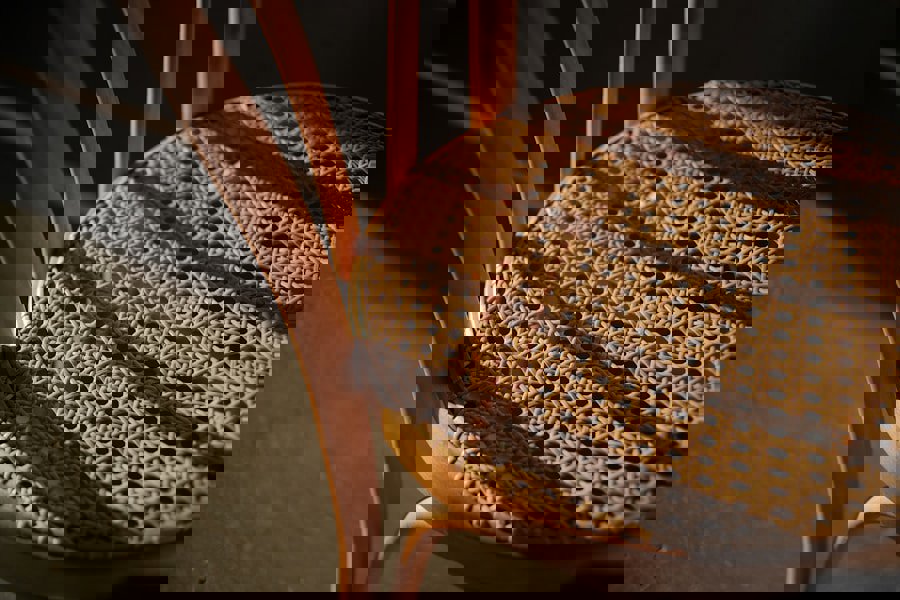
Why Is Vinyl Upholstery Fabric So Durable?
Vinyl upholstery fabric routinely achieves double rub counts of 100,000 or more, making it one of the highest-performing materials available for heavy-use seating. The double rub count, measured using the Wyzenbeek abrasion test, represents how many back-and-forth cycles a fabric can withstand before showing visible wear. For context, a fabric rated at 15,000 double rubs is considered suitable for light residential use. Vinyl at 100,000-plus is in a different category entirely.
Its surface is non-porous, which means spills sit on top rather than soaking in. A quick wipe with a damp cloth handles most messes, and for tougher stains, mild soap and water does the job. In commercial settings like restaurants, healthcare facilities, and hospitality spaces, vinyl is often the only practical choice for exactly this reason. But those same properties translate just as well to a family living room where juice spills and muddy paws are a daily reality.
Vinyl also resists mold and mildew, which makes it a smart pick for humid environments, sunrooms, or any space that doesn't have perfect climate control. That's a real advantage heading into a warm, humid spring and summer season.
What Are the Best Uses for Vinyl Upholstery Fabric at Home?
Vinyl upholstery fabric works best on high-contact, high-traffic pieces where easy maintenance and durability matter most. Dining chairs are probably the single most popular residential use, and for good reason. You get a surface that wipes clean after every meal, handles chair-scraping and daily friction, and still looks polished. Barstools are another natural fit, especially in kitchen islands or home bars where sticky spills are basically guaranteed.
Accent chairs in entryways or mudrooms are another strong candidate. These are pieces that often get sat on in outdoor clothes, sometimes with damp coats, bags dropped on them, and all kinds of real-world contact. Vinyl handles it without complaint. Also, don't overlook headboards. Vinyl upholstered headboards have been trending through 2024 and into 2025, offering that padded, finished look with none of the maintenance anxiety that comes with fabric alternatives.
For interior designers, vinyl is also a go-to for commercial and hospitality projects. Booth seating, banquette benches, reception chairs, and waiting area sofas all benefit from vinyl's combination of visual flexibility and practical durability. You can specify it confidently knowing it'll still look good years down the line.
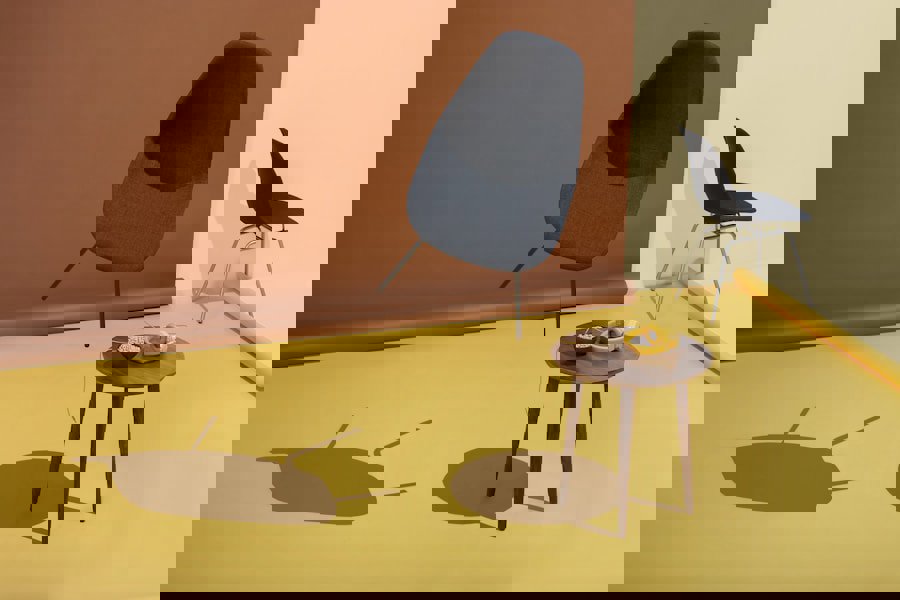
Photo by Inside Weather on Unsplash
Does Vinyl Upholstery Fabric Come in Stylish Options?
Modern vinyl upholstery fabric is available in textures that convincingly mimic leather, suede, linen, and even pebbled grain finishes. The days of flat, shiny, obviously-synthetic vinyl are mostly behind us. Embossed textures add visual depth, matte finishes reduce that plasticky sheen, and a wide color palette means you're not stuck choosing between black and beige.
This spring, earthy neutrals like warm tans, soft terracottas, and dusty olives are showing up everywhere in home interiors, and vinyl comes in all of them. Bold colors like deep navy, forest green, and cognac brown are also popular choices for accent pieces where you want visual impact without high-maintenance upkeep. If you're reupholstering a statement chair or a set of dining seats that you want to actually last, vinyl in one of these on-trend shades is a genuinely smart call.
Plus, vinyl holds color well over time. Because the color is embedded throughout the material or applied with UV-resistant coatings, it doesn't fade the way some woven fabrics do with consistent light exposure. That makes it a particularly good choice for rooms with large windows or sunroom setups.
What Should You Know Before Buying Vinyl Upholstery Fabric?
Vinyl upholstery fabric is sold by the yard and typically ranges from 54 to 60 inches wide, which is standard for upholstery-weight materials. When you're estimating yardage, account for the fabric backing and any pattern repeat if you're working with an embossed or textured design. A professional upholsterer can give you a precise yardage estimate, but a general rule for a standard dining chair seat and back is roughly 1 to 1.5 yards per chair.
One thing to keep in mind: vinyl doesn't breathe the way woven fabrics do, so it can feel warm in very hot conditions or during extended sitting. In most home environments this isn't a major issue, but it's worth knowing if you're in a particularly warm climate or furnishing a space without air conditioning. Thinner-gauge vinyl with a knit backing tends to drape and feel more comfortable than thick, stiff varieties.
Also, check the weight and backing type before purchasing. A heavier vinyl with a strong polyester backing is better suited to seat cushions and chair backs. Lighter vinyl works well for decorative pieces or areas with less direct contact pressure.
Frequently Asked Questions
Q: How long does vinyl upholstery fabric last on furniture?
With proper care, vinyl upholstery fabric can last 10 to 20 years on well-used furniture. Its durability comes from its non-porous surface and high double rub counts, which often exceed 100,000 using the Wyzenbeek abrasion test, making it one of the longest-lasting upholstery materials available.
Q: Is vinyl upholstery fabric safe for homes with pets and children?
Yes, vinyl upholstery fabric is one of the best choices for homes with pets and children. It resists scratches better than many woven fabrics, cleans easily with a damp cloth, and doesn't trap pet dander or allergens the way textured fabrics can.
Q: Can vinyl upholstery fabric be used outdoors?
Vinyl upholstery fabric can work in covered outdoor or semi-outdoor spaces like screened porches and sunrooms, especially when it's rated for UV resistance. For fully exposed outdoor furniture, a marine-grade vinyl or solution-dyed acrylic is a better fit, as standard upholstery vinyl isn't designed for direct rain exposure over time.