
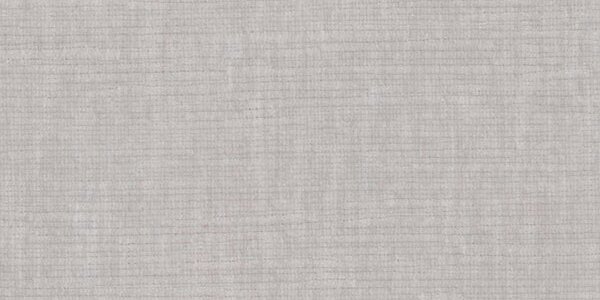
If you've ever peeled yourself off a sofa on a humid August afternoon, you already know that upholstery fabric weave matters more than most people realize. The specific way a fabric is woven, whether that's a plain weave, twill, satin, or basket weave, directly affects how much heat and moisture it traps, how durable it holds up to daily use, and honestly, how good it feels to actually sit on. This summer, if you're reupholstering a sofa, shopping for new furniture fabric, or just trying to figure out why your current couch feels like a sauna, understanding upholstery fabric weaves is the place to start.
What Is a Fabric Weave and Why Does It Affect Summer Comfort?
A fabric weave is the pattern in which threads are interlocked to create a textile. Different weave structures create different amounts of open space between fibers, and that open space is what determines airflow. More airflow means less heat retention and less moisture buildup against your skin.
Plain weave is the most basic structure: one thread goes over, one goes under, alternating consistently across the fabric. Twill weave runs threads diagonally, creating that familiar ribbed or diagonal look you see in denim. Satin weave floats threads over several others before going under, which is what gives satin its signature sheen and smoothness. Basket weave groups multiple threads together in a checkerboard-like pattern, creating a slightly more open, textured surface.
Each of these structures interacts with summer heat differently. The weave determines how tightly the fabric grips air and moisture, and getting this right for your climate can genuinely make a difference in day-to-day comfort.
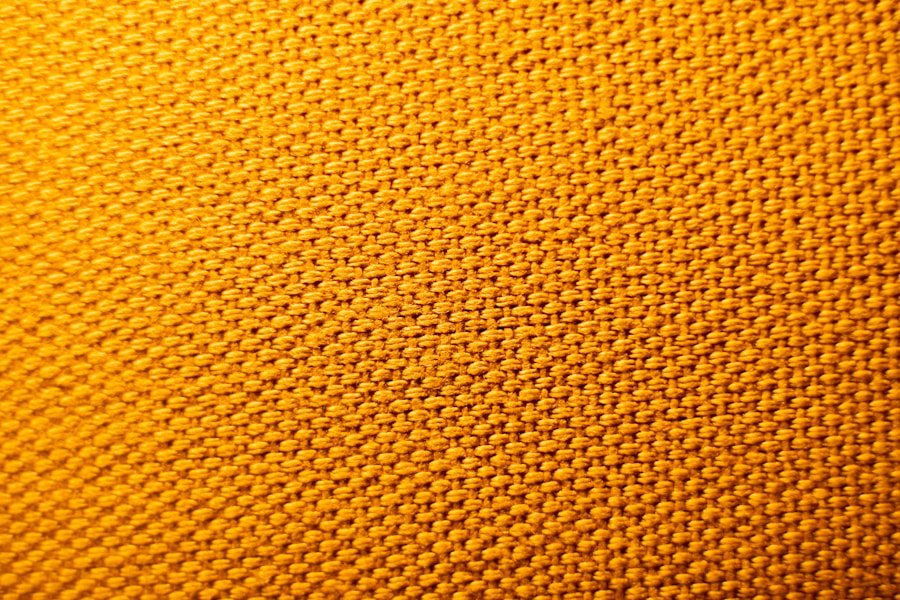
Photo by Marcus Urbenz on Unsplash
Plain Weave: The Reliable All-Rounder for Hot Weather
Plain weave is one of the best upholstery fabric weaves for warm climates, and it's a genuinely practical choice for families who want breathability without sacrificing durability. Because the threads alternate tightly and evenly, plain weave fabrics tend to be firm, hold their shape well, and resist pilling. At the same time, the consistent structure allows for decent airflow, especially when made with natural fibers like cotton or linen.
Linen plain weave is particularly worth calling out here. Linen is a naturally moisture-wicking fiber, meaning it pulls sweat away from your body rather than holding it against you. A plain weave linen upholstery fabric can have a double rub count (that's the industry measure of how many times a fabric can be rubbed back and forth before it starts to break down) of 15,000 or more when constructed for upholstery use, making it a solid everyday option.
- Good airflow due to even thread spacing
- Works well in natural fibers that wick moisture
- Relatively easy to clean and maintain
- Holds color well, especially in solution-dyed versions
Plain weave cotton and linen fabrics are among the most recommended upholstery options for humid climates because they balance breathability with practicality. If you have kids or pets, look for a tightly woven plain weave with a higher thread count, as that tighter construction resists snags and stains better.
What Makes Basket Weave a Smart Choice for Summer Upholstery?
Basket weave is one of the most breathable upholstery fabric structures available, and it performs especially well in hot, humid conditions. Because basket weave groups threads together in pairs or more before crossing them, the resulting fabric has a more open structure with slightly larger gaps between thread groups. That means more air circulation and less heat trapping.
The texture of basket weave also works in its favor visually. The chunky, woven look is very much on trend in 2024 and 2025 home decor, pairing well with the natural, earthy interiors that have dominated design conversations. Basket weave fabrics often come in neutral tones like cream, beige, and warm grey, which happen to feel visually cooler in a room as well.
- Open weave structure promotes airflow
- Works well in natural fibers like cotton and linen
- On-trend textural look for modern living rooms
- Comfortable to sit on without feeling sticky
One honest caveat: the more open the weave, the more careful you need to be about snagging. If you have cats or a dog with claws, a very open basket weave may not be your best bet. Look for basket weave fabrics that use thicker yarn groups, as those tend to hold up better under pet-related stress.
Twill Weave: Durable but Worth Watching in Humidity
Twill weave is the structure behind some of the most durable upholstery fabrics on the market. The diagonal interlocking of threads makes twill inherently stronger than plain weave, and many twill upholstery fabrics achieve double rub counts exceeding 30,000, which is well above the residential standard of 15,000 for heavy use. That durability makes twill a go-to choice for high-traffic furniture.
In summer, though, twill has a tradeoff. The denser thread structure that makes it so tough also reduces breathability compared to basket weave or plain weave. Twill fabrics trap more heat against the body, especially in heavier weights. If you live in a hot, humid climate and you're set on a twill fabric, lean toward lighter-weight versions and choose natural fibers over synthetic ones where possible.
Chenille, which is honestly one of the most underrated upholstery fabrics out there, often uses a twill base structure. It's incredibly soft and durable, but it can feel warm in summer. Pairing chenille furniture with good room ventilation helps a lot.
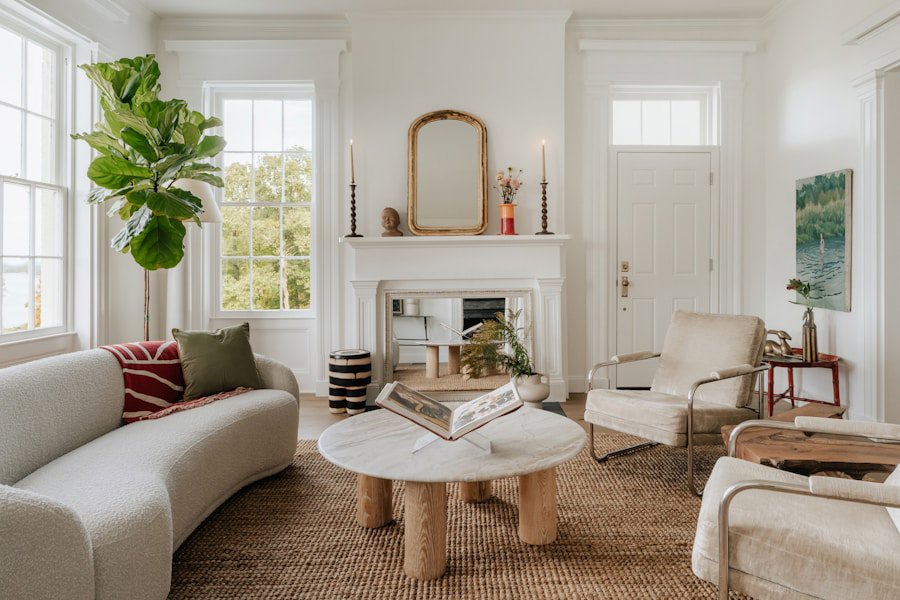
Photo by Clay Banks on Unsplash
Satin Weave: Beautiful, but Not Built for Summer Heat
Satin weave produces that smooth, lustrous surface by floating warp threads over several weft threads before going under. The result is visually stunning, but those long floating threads sit closer together on the surface, reducing breathability significantly. Satin weave fabrics tend to trap heat and feel warmer against skin, which is part of why they show up more often in formal rooms and cooler climates.
That said, satin weave fabrics made with certain fiber blends, particularly those with moisture-wicking properties or solution-dyed acrylic content, can perform better than their structure suggests. Solution-dyed acrylic means the color is embedded into the fiber itself during manufacturing rather than applied to the surface, making it more resistant to fading, moisture, and mildew. If you love the look of satin weave but live somewhere that gets steamy in July, look for performance-grade satin upholstery fabrics with those fiber properties.
Which Fibers Make the Biggest Difference Inside the Weave?
The weave structure sets the stage, but the fiber content is what really determines how your upholstery fabric performs in the heat. Here's a quick breakdown of how common upholstery fibers handle summer conditions:
- Linen: Naturally breathable, moisture-wicking, and gets softer with use. One of the top performers in hot climates.
- Cotton: Breathable and comfortable, though it can absorb moisture without always wicking it away quickly. Better in dry heat than humid heat.
- Solution-dyed acrylic: Technically synthetic, but engineered to resist moisture, mildew, and UV fading. A strong performer for outdoor and indoor use in humid regions.
- Polyester blends: Often used in performance fabrics. Breathability varies widely depending on how the weave is constructed.
- Velvet and velour: Usually synthetic pile fabrics that trap heat. Better saved for fall and winter furniture pieces.
- Faux leather and vinyl: These don't breathe at all. They're easy to clean, which is great for families, but they get genuinely uncomfortable in summer heat without air conditioning.
The best combination for summer upholstery is a breathable fiber like linen or cotton paired with an open weave structure like basket weave or plain weave. That pairing gives you airflow, comfort, and a naturally relaxed look that works well with summer-oriented interiors.
Practical Buying Tips for Hot and Humid Climates
Shopping for upholstery fabric with summer comfort in mind doesn't have to feel complicated. Here are some straightforward things to check before you buy:
- Ask about the weave structure. If the product description doesn't mention it, look at the fabric close-up image. Basket weave and plain weave have visible texture and open structure. Tight, flat surfaces usually indicate satin or dense twill.
- Check the fiber content label. Natural fibers like linen and cotton generally breathe better. Look for "performance fabric" designations on synthetics, which usually means they've been engineered for moisture and UV resistance.
- Look for the double rub count. For a living room sofa with regular family use, aim for at least 15,000 double rubs. High-traffic homes with kids and pets should look for 25,000 or more.
- Consider lighter colorways. Lighter fabric colors like cream, beige, and soft blues reflect more light and tend to feel visually cooler in a room, which matters in summer.
- Think about cleaning ease. In humid climates, fabrics that resist moisture and can be spot cleaned quickly are a practical advantage. Look for fabrics rated for water-based cleaning at minimum.
Frequently Asked Questions
Q: What is the most breathable upholstery fabric weave for summer?Basket weave is generally the most breathable upholstery fabric weave because its open structure allows more airflow between thread groups, reducing heat and moisture buildup. Plain weave in natural fibers like linen is a close second and tends to be more durable for high-traffic use.
Q: Is twill weave upholstery fabric good for hot climates?Twill weave is highly durable and often exceeds 30,000 double rubs, making it excellent for heavy use, but its dense structure reduces airflow compared to basket or plain weave. In hot, humid climates, lighter-weight twill fabrics in natural fibers will perform better than heavy synthetic twills.
Q: What upholstery fabric should I avoid in summer heat?Satin weave fabrics, velvet, faux leather, and vinyl tend to trap heat and reduce airflow, making them less comfortable in summer. If you love these materials, use them in rooms with strong air conditioning or save them for cooler months when their warmth becomes an asset.