
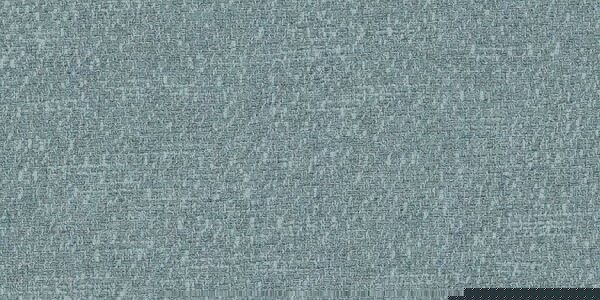
Woven upholstery fabric is one of those things that sounds simple until you start looking closely at it. Then you realize it's actually a whole world. The structure, the fiber content, the weave pattern, the weight — all of it matters, and all of it affects how your furniture looks, feels, and holds up over time. If you're shopping for fabric this spring and you want something that genuinely earns its place on your sofa, chair, or headboard, woven fabric deserves a serious look.
Spring is actually a great time to think about woven textiles for your home. The season naturally pulls us toward refresh projects, and woven fabrics come in a range of weights and textures that bridge the gap between the coziness of winter and the lighter, airier feel most people want as the weather warms up. A well-chosen woven can feel perfectly at home in April and look just as good in October.
What Exactly Is Woven Upholstery Fabric?
Woven upholstery fabric is any fabric made by interlacing two sets of threads at right angles, the warp running lengthwise and the weft running crosswise, on a loom. That interlocking structure is what gives woven fabrics their characteristic strength and dimensional stability. Unlike knits, which stretch, or nonwovens, which are bonded together, woven fabrics hold their shape under tension, which makes them naturally well-suited for furniture that gets pulled, sat on, and lived in daily.
The category is broad. Jacquard, which we covered recently, is technically a woven. So are many chenilles and some velvets. But when people refer to woven upholstery fabric on its own, they usually mean flat or textured weave constructions like basket weave, twill, plain weave, or dobby weave — fabrics where the weave structure itself is the visual feature, rather than a surface finish or pile.
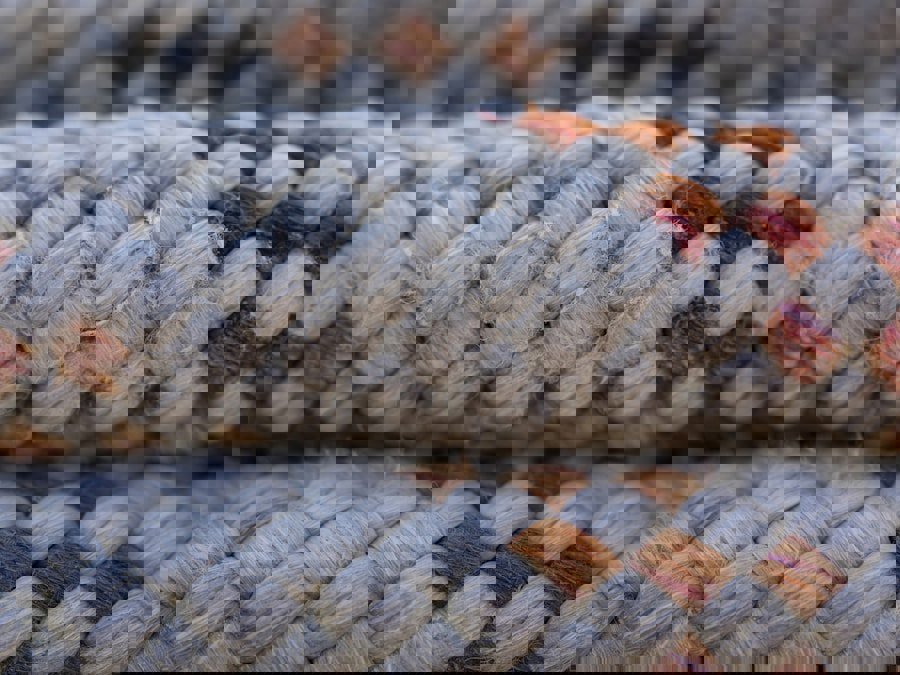
Photo by engin akyurt on Unsplash
What Makes Woven Fabric a Strong Choice for Upholstery?
Durability is the first and most honest reason to choose a quality woven fabric for upholstery. A tightly woven fabric with a high thread count resists abrasion, pilling, and snagging far better than loosely constructed alternatives. Many commercial-grade woven upholstery fabrics achieve double rub counts of 30,000 or higher, with heavy-duty options reaching 100,000 double rubs or more. For context, a fabric rated at 15,000 double rubs is generally considered suitable for light residential use, while anything above 30,000 is appropriate for heavy household traffic.
The weave structure also gives the fabric dimensional stability. It won't stretch out of shape over time, won't bag at the seat cushion, and won't shift or pucker when it's pulled taut during upholstery work. For professional upholsterers, a stable woven is genuinely easier to work with than a stretchy or loosely structured fabric. Precision matters when you're wrapping corners and pulling around curves, and woven fabric cooperates.
Fiber content plays a big role too. Woven upholstery fabrics are made from a wide range of fibers including polyester, acrylic, wool, cotton, and blended combinations. Solution-dyed acrylic wovens are particularly worth knowing about. In solution-dyed fibers, the color is added to the liquid polymer before the fiber is even formed, which means the color goes all the way through the thread. The result is exceptional colorfastness, resistance to UV fading, and a fabric that cleans up without losing vibrancy. That's a meaningful advantage for furniture near windows or in sunlit rooms.
Which Weave Patterns Are Best for Furniture?
Not all weave structures perform the same way on furniture, and knowing the differences saves you from making an expensive mistake. Here are the most common types and what they're genuinely good at.
- Plain weave is the most basic structure, one thread over, one thread under, repeating. It's tight, stable, and tends to be very durable. It can look simple or sophisticated depending on fiber and color. Great for chairs, benches, and anything that takes a beating.
- Twill weave creates that recognizable diagonal rib pattern. Denim is a twill, which tells you something about its toughness. Twill wovens drape a little more easily than plain weave and have a casual, slightly relaxed look that works really well on sofas and sectionals.
- Basket weave uses two or more threads woven together as one, creating a looser, chunkier grid-like texture. It has great visual presence and a tactile, almost handwoven quality that's very popular in spring and summer interiors right now. Worth noting: basket weaves can snag more easily than tighter structures, so they're better for lower-traffic pieces or decorative items.
- Dobby weave uses a special loom attachment to create small geometric or textured patterns woven directly into the fabric. It adds visual interest without the complexity of a full jacquard, and the result is often subtle, refined, and works beautifully in modern and transitional interiors.
- Herringbone is a variation of twill that produces a V-shaped or zigzag pattern. It's having a real moment in interior design right now, appearing on accent chairs, ottomans, and even headboards. It reads as classic but feels current.
How Do You Care for Woven Upholstery Fabric?
Care requirements for woven upholstery fabric vary depending on fiber content, but most quality wovens are straightforward to maintain. The vast majority carry a W or W-S cleaning code, meaning they can be spot-cleaned with a water-based cleaner. Polyester and acrylic wovens are especially forgiving and typically resist staining without needing additional treatment. Wool and cotton wovens may require a bit more attention and benefit from a fabric protector spray applied after installation.
Regular vacuuming with a low-suction upholstery attachment is the single best thing you can do to extend the life of any woven fabric. Dust and grit that settle into the weave act like sandpaper over time, gradually cutting the fibers and accelerating wear. Vacuum weekly on high-use pieces and monthly on decorative ones. It's the simplest habit with the biggest payoff.
For deeper cleaning, always test any product on a hidden area first. Even fabrics labeled as cleanable can react unexpectedly to certain chemical formulations, and finding that out on a chair arm is a lot better than finding it out on a sofa cushion front.
What Are the Best Colors and Patterns in Woven Fabric for Spring?
Spring 2025 is seeing a strong push toward warm neutrals layered with earthy, organic tones. Cream and warm white wovens are everywhere right now, particularly in textured basket and dobby weaves that add visual depth without competing with other elements in the room. Think of a cream dobby weave on a set of dining chairs, or a natural linen-look plain weave on a window seat cushion. Clean, warm, and genuinely livable.
Beyond neutrals, soft greens and dusty terracotta are having a real moment in woven upholstery. These colors work especially well in twill and herringbone weaves where the diagonal structure catches the light slightly differently depending on the angle, which gives the color a subtle, almost organic variation. It's one of those things that looks much more expensive than it is.
Stripes are another natural fit for woven fabrics, since the structure of the fabric itself lends itself to clean, regular patterning. A woven stripe in a two-tone neutral colorway is one of the most versatile upholstery choices you can make for spring, equally at home in a coastal cottage, a modern apartment, or a traditional living room.
Frequently Asked Questions
Q: What is woven upholstery fabric and why is it good for furniture?Woven upholstery fabric is made by interlacing warp and weft threads on a loom, creating a stable, strong structure that holds its shape under stress. It's a good choice for furniture because it resists stretching, sagging, and abrasion, making it both durable and easy to work with during upholstery projects.
Q: How many double rubs should upholstery fabric have for a family home?For a busy family home with kids or pets, look for upholstery fabric with a double rub count of at least 30,000. Heavy-duty woven fabrics often reach 50,000 to 100,000 double rubs, which provides significant long-term durability even on frequently used pieces like sofas and accent chairs.
Q: What is the easiest woven upholstery fabric to clean?Polyester and solution-dyed acrylic wovens are generally the easiest to clean because they resist staining, don't absorb liquids quickly, and maintain their color after spot cleaning. Most carry a W or W-S cleaning code and can be treated with a standard water-based upholstery cleaner without damaging the fabric or causing color loss.