
Woven upholstery fabric is one of those materials that quietly does everything right. It's not flashy in the way velvet is. It doesn't have the buzz that boucle has right now. But if you're looking for a fabric that's durable, design-forward, and genuinely suited to real life in a real home, woven fabric keeps showing up as one of the best answers. Whether you're refreshing a sofa for spring or finally tackling that armchair you've been meaning to reupholster, it's worth understanding what woven fabric actually is and why it's earned such a loyal following among interior designers and homeowners alike.
What Exactly Is Woven Upholstery Fabric?
Woven upholstery fabric is any textile created by interlacing two sets of yarns at right angles on a loom. The result is a fabric where structure is built directly into the construction, not printed on top or applied as a finish. That distinction matters more than most people realize. Because the pattern and texture are created through the weave itself, woven fabrics tend to hold their appearance longer and resist the kind of surface wear that can make printed fabrics look tired over time.
The category is broad. Jacquard, damask, tweed, herringbone, and tapestry weaves all technically fall under the woven umbrella, though each has its own character and best use case. What they share is that interlocked structure, which gives woven textiles their signature stability and dimensional texture. Many professional upholsterers consider woven fabrics to be the most structurally reliable category for furniture use, precisely because the integrity of the fabric comes from how it was made, not from a coating or treatment applied afterward.
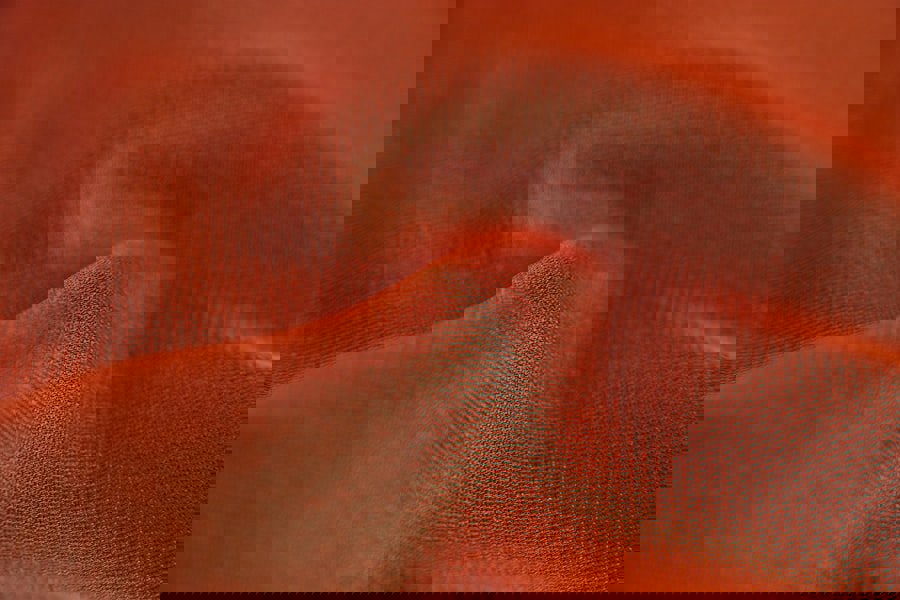
Photo by engin akyurt on Unsplash
How Durable Is Woven Upholstery Fabric Compared to Other Options?
Woven upholstery fabrics are among the most durable options available, with many commercial-grade wovens achieving double rub counts of 30,000 or higher, and some heavy-duty options exceeding 100,000 double rubs on the Wyzenbeek abrasion test. To put that in context, a fabric rated at 15,000 double rubs is generally considered suitable for residential use. A woven fabric at 50,000 double rubs can handle a busy household, kids, pets, and all, without showing significant wear for years.
Durability in woven fabrics also comes from yarn type. Fabrics woven from solution-dyed acrylic, for example, have color embedded directly into the fiber before weaving begins. That means the color doesn't sit on the surface where it can be worn or faded away. It's locked into the yarn itself. This makes solution-dyed wovens particularly resistant to UV fading, which is a real consideration if your sofa or chairs sit near a window. Spring light is beautiful, but it is not kind to surface-dyed fabrics over time.
Wovens made from high-twist yarns also perform exceptionally well under the Martindale abrasion test, which measures durability through a circular rubbing motion that mimics how people actually sit and shift on furniture. Fabrics intended for contract or commercial use typically require a Martindale rating of 25,000 cycles or more. High-quality residential wovens often meet or exceed that benchmark, making them a smart investment for heavily used pieces.
What Styles and Looks Can You Get With Woven Fabric?
This is honestly where woven fabric surprises people most. The variety is enormous. A flat-woven fabric in a simple linen-look texture reads as clean and contemporary. A tight herringbone weave in grey or navy brings a tailored, slightly formal feel that works beautifully on a wingback chair or a tufted sofa. A multi-color woven stripe adds visual interest without committing to a bold print. And a woven geometric pattern can anchor a room just as effectively as a statement wallpaper, at a fraction of the effort.
Spring 2025 is leaning hard into natural textures and earthy tones, and woven fabrics are perfectly positioned for that moment. Warm creams, sandy beiges, soft terracottas, and muted greens are all showing up in woven collections right now. These are colors that feel fresh for the season without being so trend-dependent that you'll want to redo everything in two years. A woven fabric in a warm neutral is genuinely one of the most future-proof choices you can make for a sofa or a set of dining chairs.
Texture variety is another strength. Because the weave structure itself creates surface interest, woven fabrics can range from smooth and almost sleek to richly textured and almost sculptural, without relying on pile height the way velvet or chenille does. That makes them easier to mix with other fabrics in the same room, since they tend to complement rather than compete.
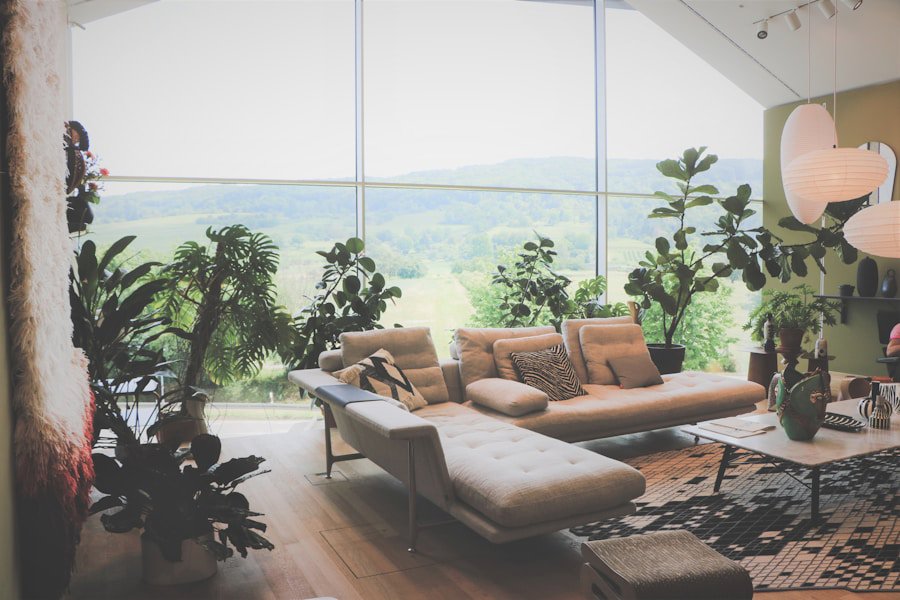
Photo by Laura Lauch on Unsplash
Which Furniture Pieces Work Best With Woven Upholstery?
Woven upholstery fabric works well on almost any piece, but it really shines on furniture that gets regular use. Sofas, sectionals, dining chairs, and ottomans are all excellent candidates. The structural integrity of a quality woven fabric means it holds its shape through repeated sitting, shifting, and the general chaos of daily life in a way that some softer, more delicate fabrics simply can't match.
For dining chairs specifically, woven fabrics are often the top recommendation from professional upholsterers because they handle the combination of friction, pressure, and occasional spills better than most alternatives. A tightly woven fabric with a smooth finish is also easier to brush clean than a loopy or pile-based textile, which can trap crumbs and debris in ways that are quietly maddening.
Accent chairs and window seats are also great fits. Here, the design range of woven fabrics becomes a real asset, since these pieces often benefit from a slightly more expressive fabric choice. A woven with a subtle pattern or an interesting color combination can give an accent chair real personality without overwhelming the rest of the room.
What Should You Look for When Buying Woven Upholstery Fabric?
Start with double rub count. For a sofa or any piece that gets daily use, look for a minimum of 15,000 double rubs for light residential use, and 30,000 or more if you have kids, pets, or just a house where people actually live. Don't be shy about asking for this number before you buy. Any reputable fabric supplier should have it available.
Also pay attention to fiber content. A woven fabric made from a polyester or acrylic blend will typically outperform a natural fiber woven when it comes to stain resistance and durability, though natural fiber wovens have their own appeal for feel and breathability. If you want the look of a natural linen weave but need better performance, there are excellent linen-look polyester wovens that give you both.
Check the width of the fabric, too. Most upholstery fabric runs 54 inches wide, but some decorative wovens come narrower, which can affect how much yardage you need and how seams fall on your piece. And if the fabric has a pattern repeat, factor that into your yardage estimate. A woven with a large geometric repeat will require more fabric than a solid or small-scale pattern to match properly at the seams.
Finally, look for whether the fabric has been treated with a stain-resistant finish like Teflon or Crypton. Many high-quality wovens come with this as standard, and it makes a genuine difference in day-to-day maintenance without changing the look or feel of the fabric in any noticeable way.
Frequently Asked Questions
Q: Is woven upholstery fabric good for sofas?
Yes, woven upholstery fabric is an excellent choice for sofas. Its interlocked construction gives it structural durability, and many wovens achieve double rub counts of 30,000 or higher, making them well-suited to everyday use in a family home.
Q: What is the difference between woven and printed upholstery fabric?
Woven upholstery fabric has its pattern or texture built into the fabric through the interlacing of yarns on a loom, while printed fabric has a design applied to the surface of a pre-made textile. Woven patterns are generally more durable because the design cannot wear, peel, or fade off the surface the way a printed design can over time.
Q: How do I clean woven upholstery fabric?
Most woven upholstery fabrics can be spot-cleaned with a mild soap and water solution. Always check the care code on the fabric label first: W means water-based cleaners are safe, S means solvent-based only, and WS means both are acceptable. For best results, blot spills immediately rather than rubbing, and test any cleaner on a hidden area first.