
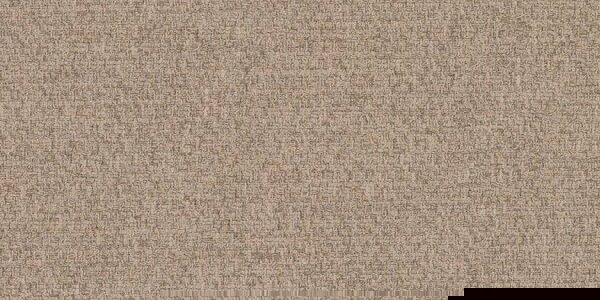
If you've ever run your hand across a beautifully upholstered sofa and thought "that just looks expensive," there's a good chance you were touching a woven upholstery fabric. Woven fabrics have this quality that's hard to fake. The structure, the texture, the way light catches the surface differently from every angle. They're not trendy in the way that one-season colors are trendy. They're the kind of choice that still looks right ten years later, which is exactly what you want when you're covering a piece of furniture that cost you real money.
Spring is actually a great time to think about woven fabrics. The season tends to pull people toward lighter, airier interiors, and woven textiles sit right in that sweet spot. They feel substantial without feeling heavy. A natural-toned woven fabric on a settee, a textured woven on dining chairs, a multi-colored woven accent on a reading chair. Each one adds visual interest without screaming for attention.
What Exactly Is a Woven Upholstery Fabric?
Woven upholstery fabric is made by interlacing two sets of threads, the warp and the weft, on a loom to create a stable, structured textile. Unlike knit fabrics, which are looped, woven fabrics have a firm, consistent construction that holds its shape under the daily stress of sitting, leaning, and general living. That construction is what makes them genuinely well-suited for upholstery use.
The weave structure itself determines a lot about how the finished fabric looks and performs. Plain weaves are tight and flat, great for clean modern furniture. Twill weaves create those diagonal lines you see on structured sofas and ottomans. Satin weaves have a smoother, slightly lustrous surface. And then there are complex weaves like dobby and jacquard patterns, which can build intricate designs directly into the fabric structure without printing anything on top. The pattern is literally in the weave itself. That's part of what gives woven fabrics that elevated look.
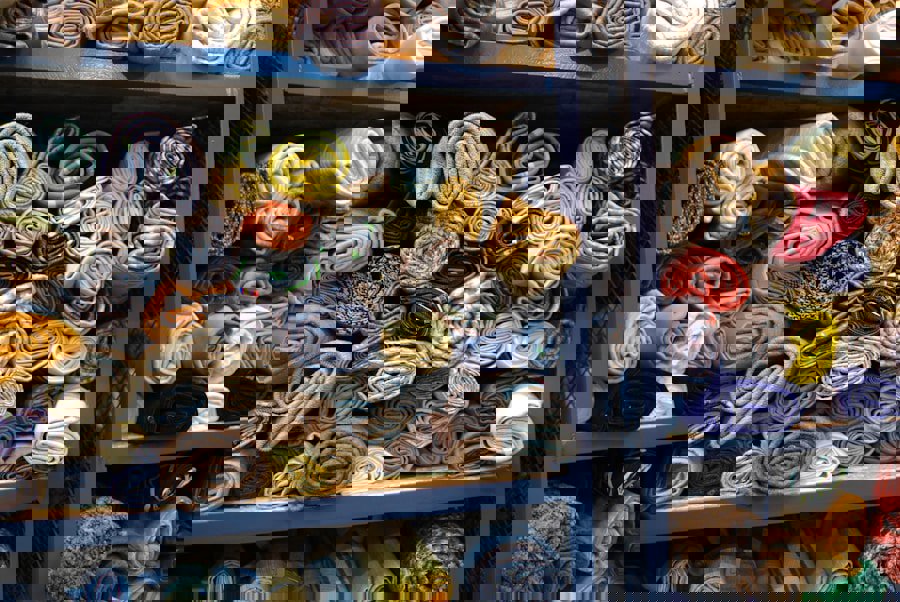
Photo by Chiara Guercio on Unsplash
How Durable Are Woven Fabrics for Everyday Upholstery Use?
Woven upholstery fabrics are among the most durable textile options available, with quality grades often achieving 30,000 to 100,000 double rubs on the Wyzenbeek abrasion test, making them suitable for everything from light residential use to demanding commercial settings. The tight interlocking structure resists pilling, fraying, and surface wear far better than loosely constructed fabrics.
Here's the thing: not all woven fabrics perform equally. A loosely woven decorative fabric might look beautiful but won't hold up on a heavily used sofa. When you're shopping for upholstery specifically, look for fabrics rated at a minimum of 15,000 double rubs for light residential use, and 30,000 or more for family rooms, pet households, or any piece that gets used constantly. Heavy-duty commercial-grade woven fabrics can exceed 100,000 double rubs, which is genuinely impressive when you consider what that means in real-world use.
Fiber content plays a big role too. Woven fabrics made from solution-dyed acrylic fibers are colorfast and resistant to fading, which matters a lot in rooms with strong natural light. Polyester-blend wovens tend to be cleanable and stain-resistant. Natural fiber wovens like cotton or wool offer breathability and a warmer hand feel, though they may need more care. The best choice depends on where the piece lives and how it gets used.
What Types of Furniture Work Best with Woven Upholstery?
Woven upholstery fabrics work well on virtually any furniture type, but they genuinely shine on pieces with structured silhouettes. Think sofas with clean lines, wingback chairs, dining chairs, ottomans, and accent benches. The inherent structure of a woven textile complements furniture that has a defined shape. It helps the whole piece look intentional and put-together.
That said, woven fabrics also do interesting things on more casual or curved pieces. A loosely structured sofa in a textured woven can look incredibly inviting, especially in earthy spring tones like warm sand, sage green, or dusty terracotta. The fabric adds visual complexity so the furniture doesn't need much else around it to make a statement.
Dining chairs are honestly one of the best places to use a woven fabric. They take a beating, fabric needs to stay clean-looking, and they're often in a more visible, formal part of the home. A tight, durable woven in a neutral or a soft pattern handles all of that beautifully.
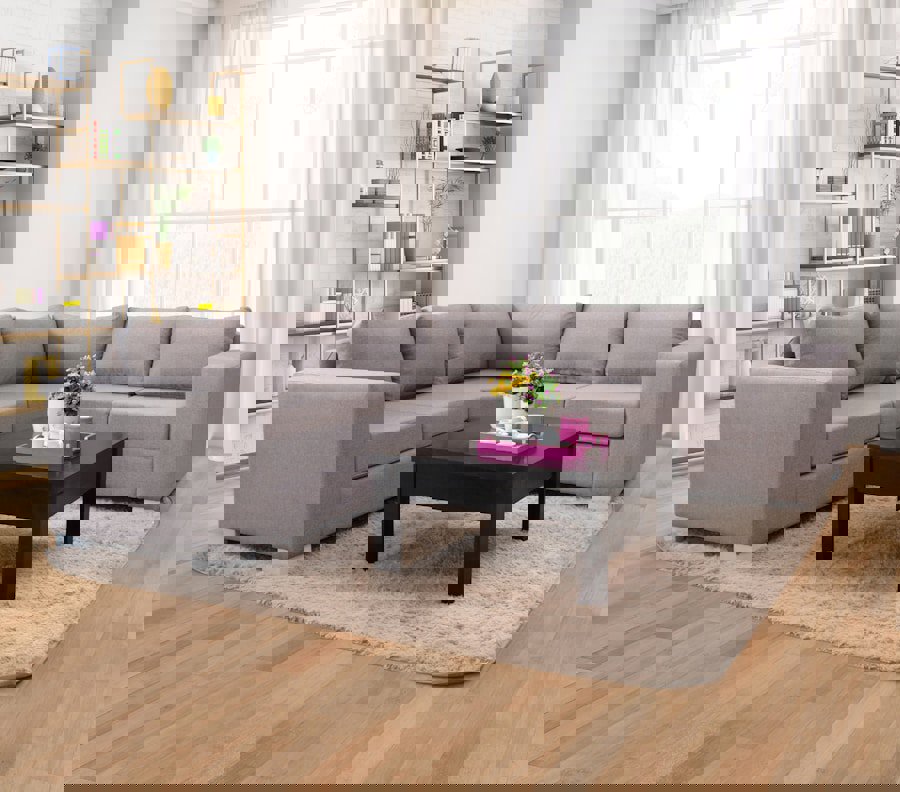
Photo by Costa Live on Unsplash
Tips for Choosing the Right Woven Fabric for Your Project
Before you buy, consider these practical points that make a real difference in how happy you'll be with the finished result:
- Check the double rub count. Match the durability rating to how the piece will actually be used. High-traffic seating needs higher ratings.
- Look at the weave structure in good light. Tight weaves are more durable and easier to clean. Looser weaves are softer but less practical on workhorse furniture.
- Consider the pattern repeat. Woven patterns with large repeats require more fabric to match correctly at seams. Budget for that extra yardage upfront.
- Think about fiber content. Polyester and acrylic blends are low-maintenance and durable. Natural fibers like cotton and linen bring a softer, more organic feel but need more attention.
- Order a sample first. Colors read differently on screen than they do in your actual room lighting. A swatch saves you from a very expensive mistake.
- Ask about the direction of the weave. Some woven fabrics have a directional texture, meaning all pieces need to be cut running the same way, which affects yardage calculations.
Also, don't overlook multi-colored woven fabrics this spring. Wovens with two or three tones woven together have this quietly rich quality that works beautifully with layered, transitional interiors. You get color and texture at the same time without it feeling busy. It's one of those choices that just makes a room feel more finished.
Why Interior Designers Reach for Woven Fabrics Again and Again
Woven upholstery fabrics offer something that few other textile categories can match: they look considered without requiring a lot of surrounding fuss. A well-chosen woven fabric can anchor a room, tie together a color palette, or add that final layer of texture that makes a space feel complete rather than decorated.
From a practical standpoint, quality woven fabrics also tend to age gracefully. They don't flatten or pill the way some softer fabrics do. They hold their color. They keep their structure. And because the pattern or texture is built into the weave rather than printed on top, it doesn't crack, fade unevenly, or wear away at high-contact points the way surface treatments can.
If you're refreshing a piece this spring and you want something that looks intentional, holds up to real life, and still feels current two or three seasons from now, woven upholstery fabric is consistently a smart answer. Famcorfabrics.com carries a solid range across multiple colors, textures, and construction styles, so it's worth browsing the woven category when you're ready to shop.
Frequently Asked Questions
Q: What is a woven upholstery fabric?A woven upholstery fabric is a textile made by interlacing warp and weft threads on a loom to create a structured, durable surface. The weave construction gives the fabric stability and makes it well-suited for furniture upholstery, where it needs to hold up to repeated use and stress over time.
Q: How many double rubs should a woven upholstery fabric have for a family home?For family rooms and heavily used furniture, look for a woven upholstery fabric rated at 30,000 double rubs or higher on the Wyzenbeek abrasion test. Light residential use can work with 15,000 double rubs, but higher ratings give you more peace of mind in busy households with kids or pets.
Q: Are woven fabrics easy to clean?Many woven upholstery fabrics are easy to clean, especially those made from polyester or solution-dyed acrylic fibers, which resist staining and can often be spot-cleaned with mild soap and water. Natural fiber wovens like cotton or wool require more careful cleaning. Always check the care code on the fabric label before choosing a cleaning method.